Welcome to the Mathematical World!
Contemporary Mathematicians & Scientists
This section highlights the visionaries of the modern era — mathematicians, physicists, and computer scientists whose groundbreaking discoveries and innovations have redefined the boundaries of human knowledge. From pioneering theories in mathematics and physics to revolutionary advances in computation and technology, their work continues to shape our understanding of the universe and drive progress in the digital age.
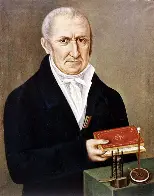
1. Alessandro Volta
(1745–1827)
Alessandro Volta (1745–1827) was an Italian physicist and chemist born in Como, Lombardy.
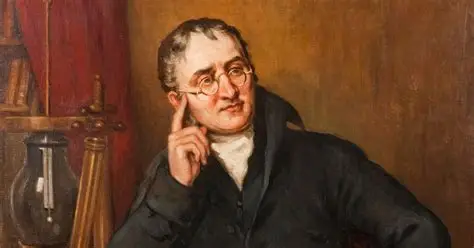
2. John Dalton
(1766–1844)
John Dalton (1766–1844) was an English chemist, meteorologist, and physicist, best known for formulating the modern atomic theory.
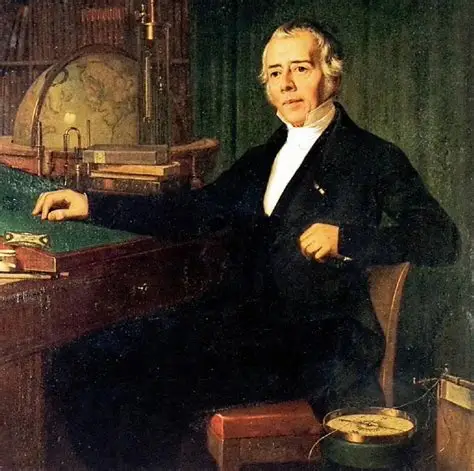
3. Hans Christian Ørsted
(1777–1851)
Hans Christian Ørsted (1777–1851) was a Danish physicist and chemist, best known for discovering that electric currents generate magnetic fields — the phenomenon now known as Ørsted’s law.
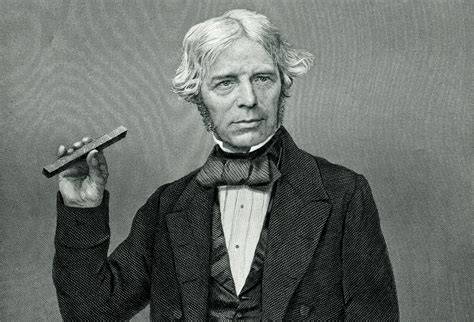
4. Michael Faraday
(1791–1867)
Michael Faraday (1791–1867) was a British scientist whose experiments and discoveries laid the groundwork for modern electromagnetism and electrochemistry.
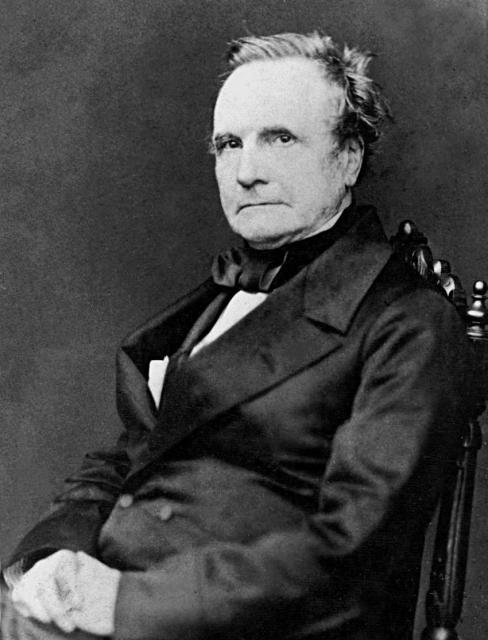
5. Charles Babbage
(1791–1871)
Charles Babbage (1791–1871) was an English mathematician, engineer, philosopher, and inventor, best known for conceptualizing the first mechanical computer.
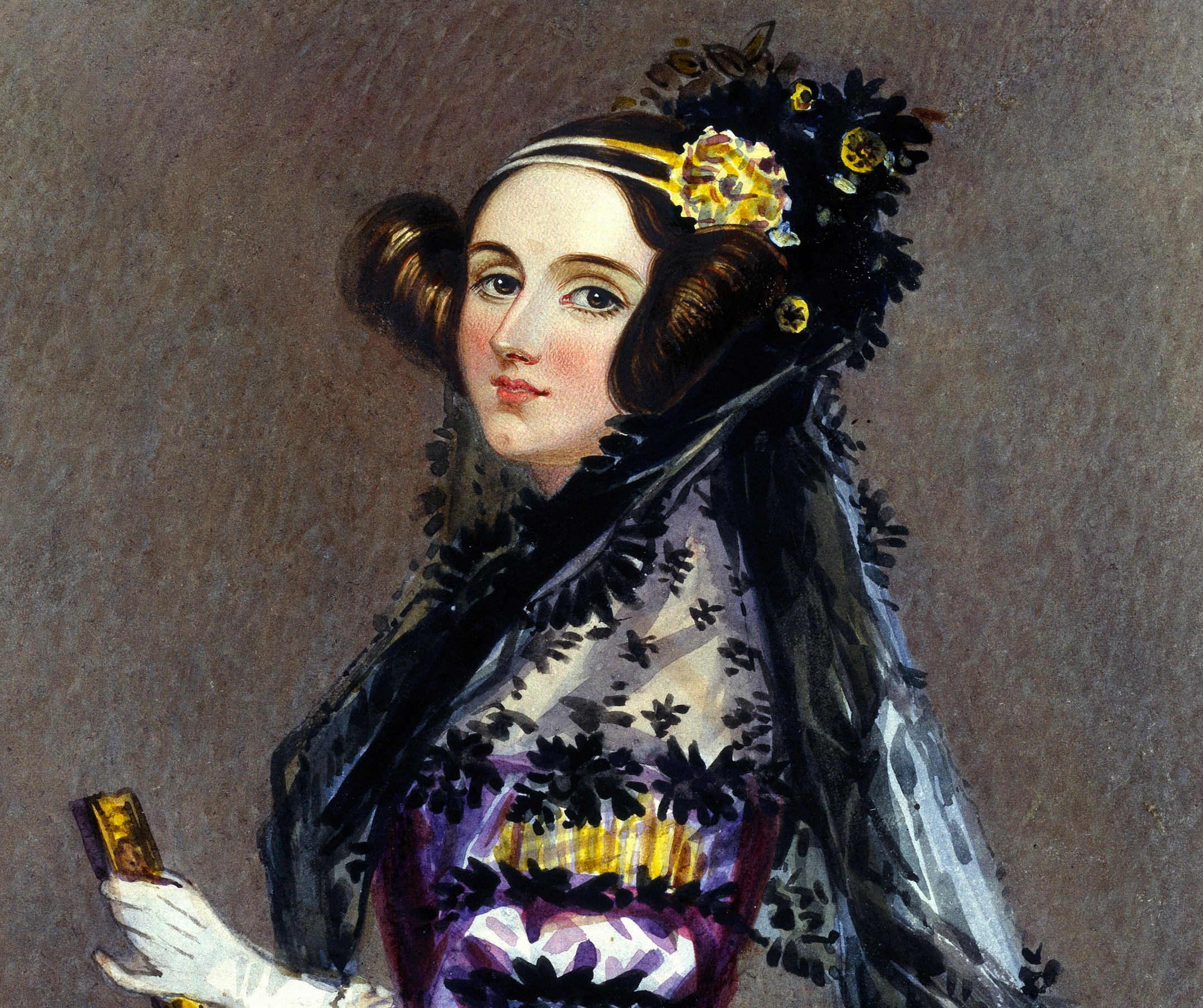
6. Ada Lovelace
(1815–1852)
Ada Lovelace (1815–1852), born Augusta Ada Byron, was an English mathematician and writer.
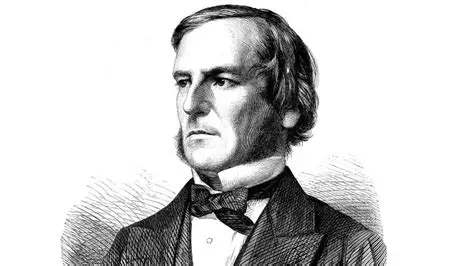
7. George Boole
(1815–1864)
George Boole (November 2, 1815 – December 8, 1864) was an English mathematician, logician, and educator whose creation of Boolean algebra became the cornerstone of the digital age.
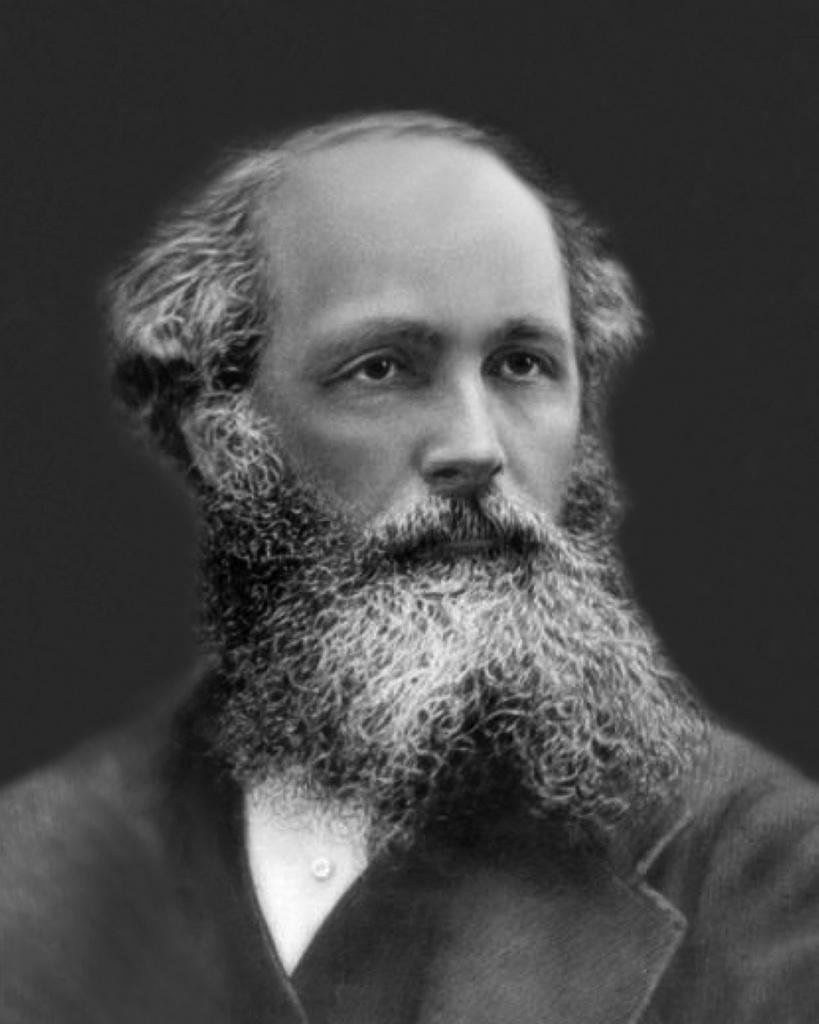
8. James Clerk Maxwell
(1831–1879)
James Clerk Maxwell (1831–1879) was a Scottish physicist and mathematician whose groundbreaking work unified electricity, magnetism, and light.
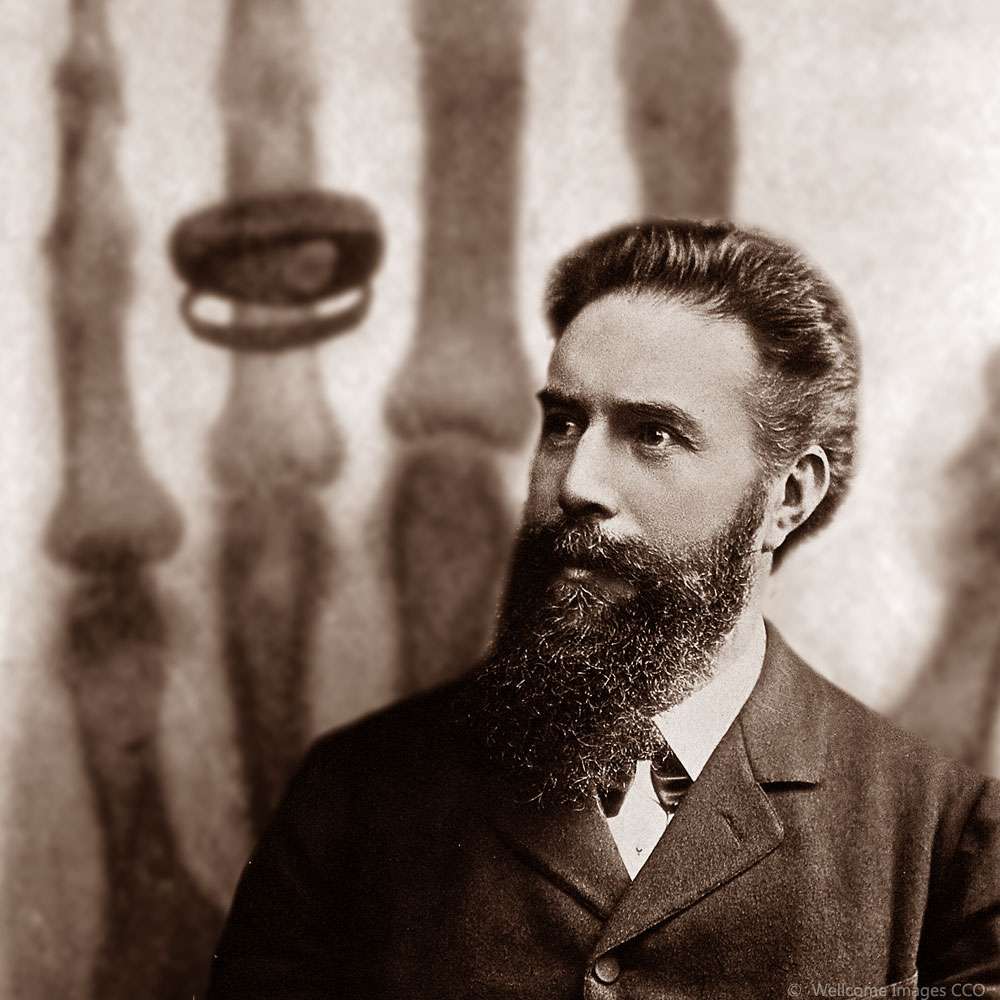
9. Wilhelm Röntgen
(1845–1923)
Wilhelm Conrad Röntgen (1845–1923) was a German physicist who discovered X-rays, a groundbreaking achievement that revolutionized medical imaging and physics.
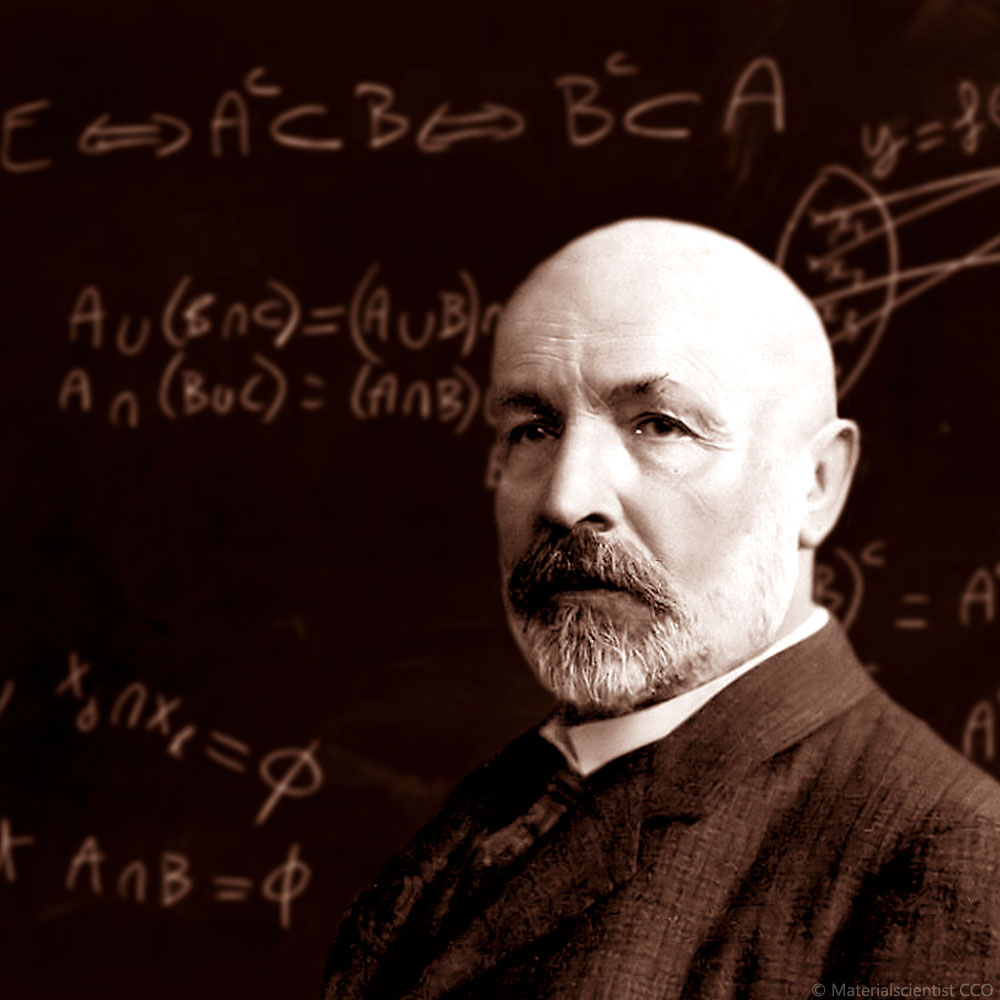
10. Georg Cantor
(1845–1918)
Georg Ferdinand Ludwig Philipp Cantor (March 3, 1845 – January 6, 1918) was a German mathematician who revolutionized mathematics by founding set theory and introducing the concept of transfinite numbers—types of infinity that are distinct from one another.
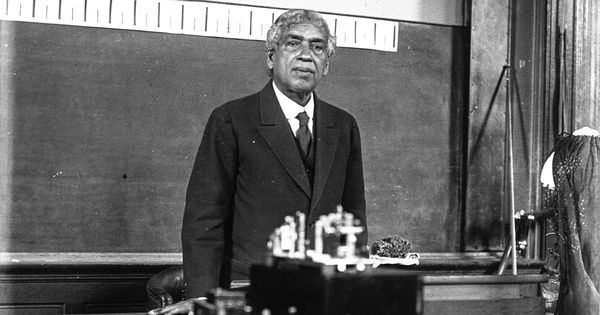
11. Jagadish Chandra Bose
(1858–1937)
Jagadish Chandra Bose (1858–1937) was an Indian polymath, physicist, biologist, and inventor.
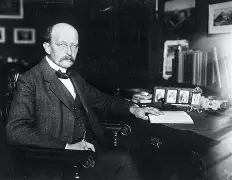
12. Max Planck
(1858–1947)
Max Planck (1858–1947) was a German theoretical physicist who originated quantum theory, fundamentally transforming our understanding of atomic and subatomic processes.
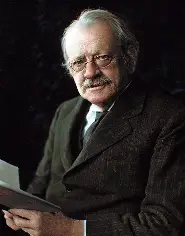
13. J. J. Thomson
(1856–1940)
Joseph John Thomson (1856–1940) was a British physicist who fundamentally changed our understanding of the atom.
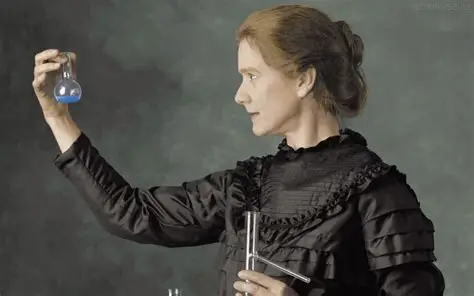
14. Marie Curie
(1867–1934)
Marie Curie (1867–1934), born Maria Skłodowska in Warsaw, Poland, was a physicist and chemist renowned for her groundbreaking research on radioactivity.
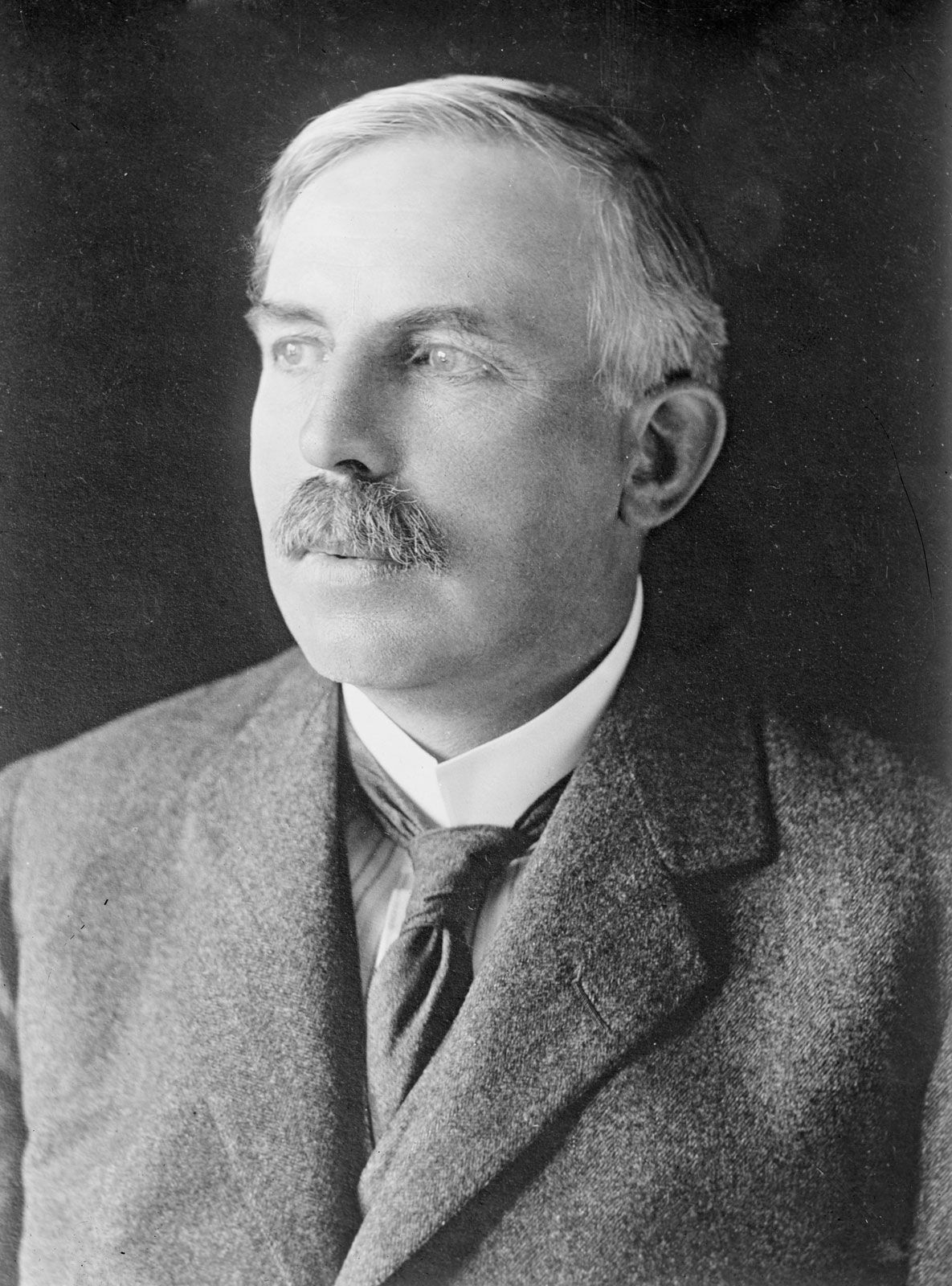
15. Ernest Rutherford
(1871–1937)
Ernest Rutherford (1871–1937) was a New Zealand-born physicist whose groundbreaking work on radioactivity and the structure of the atom earned him the title “Father of Nuclear Physics.”
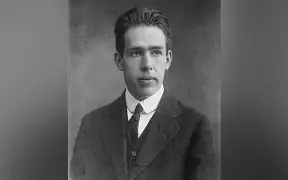
16. Niels Bohr
(1885–1962)
Niels Bohr (1885–1962) was a Danish physicist who made foundational contributions to understanding atomic structure and quantum theory.
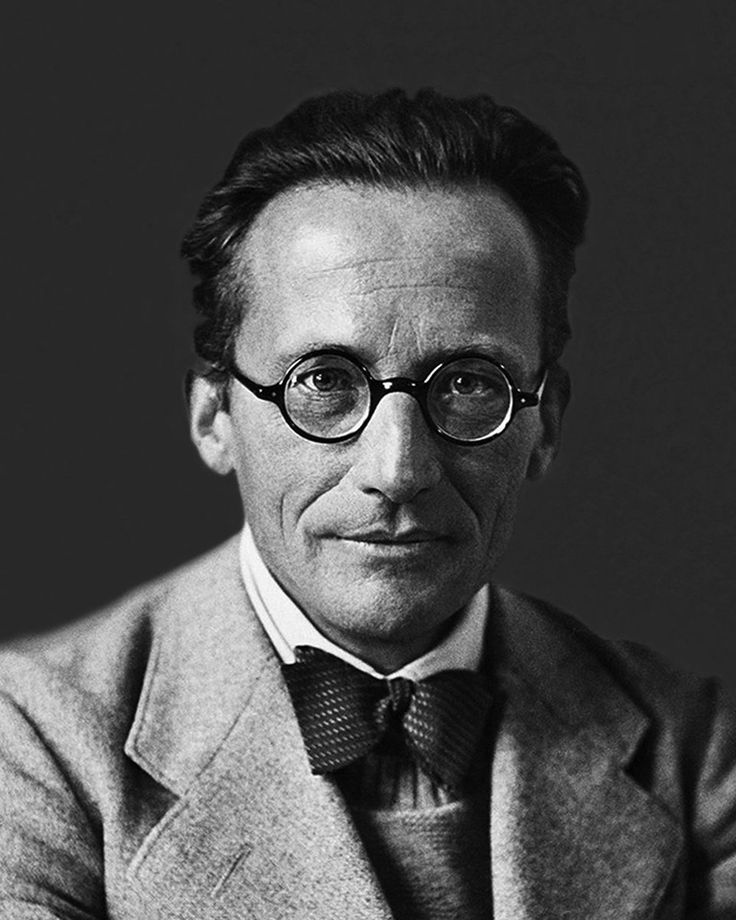
17. Erwin Schrödinger
(1887–1961)
Erwin Schrödinger (1887–1961) was an Austrian theoretical physicist who made foundational contributions to quantum mechanics.
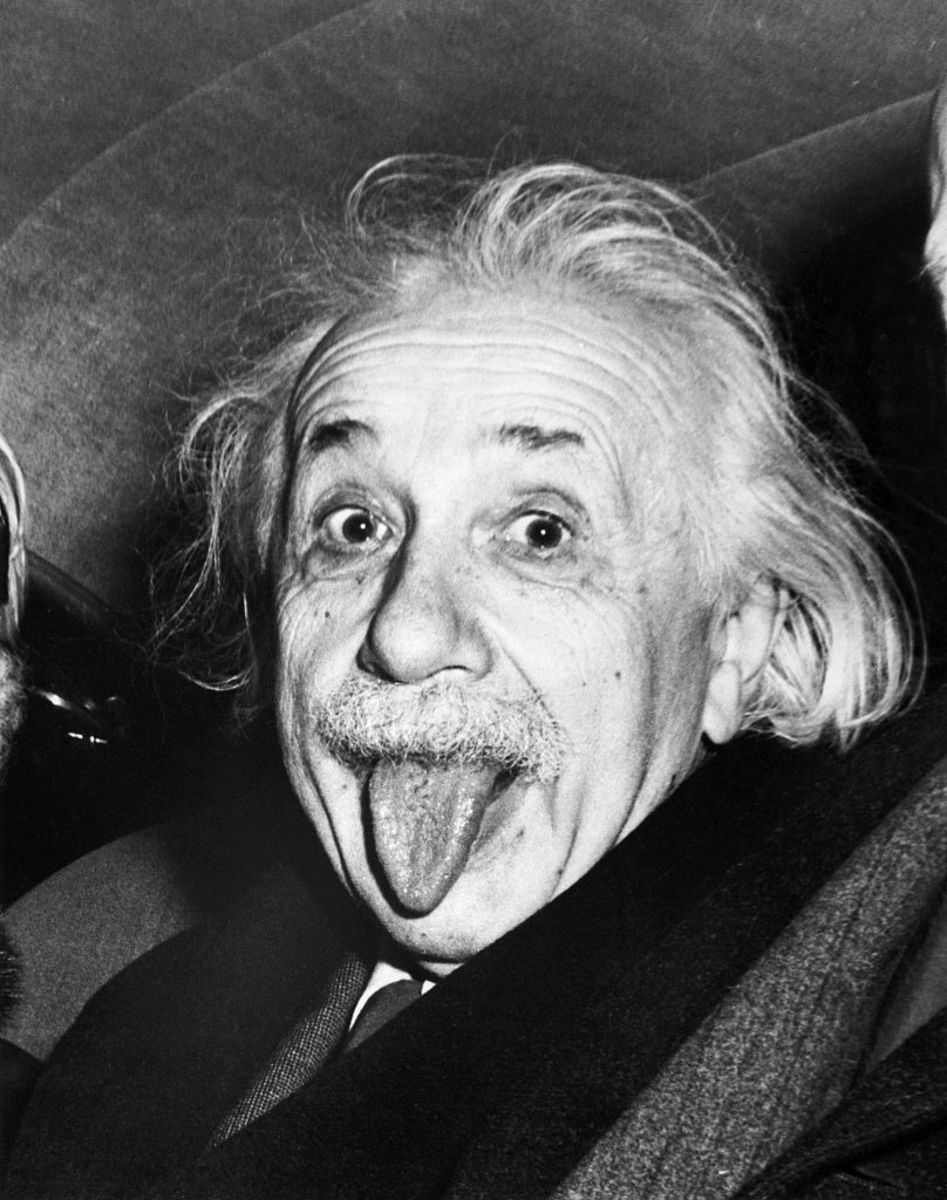
18. Albert Einstein
(1879–1955)
Albert Einstein (1879–1955) was a German-born theoretical physicist whose work revolutionized our understanding of space, time, and energy.
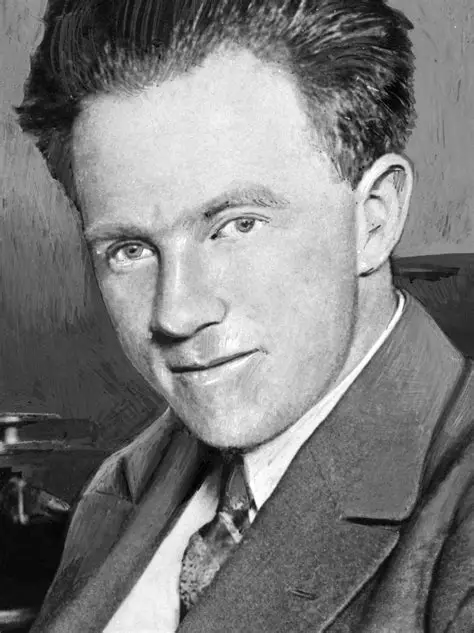
19. Werner Heisenberg
(1901–1976)
Werner Heisenberg (1901–1976) was a German theoretical physicist and one of the key pioneers of quantum mechanics.
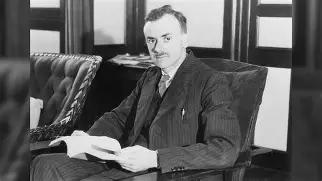
20. Paul Dirac
(1902–1984)
Paul Adrien Maurice Dirac (1902–1984) was an English theoretical physicist and mathematician, renowned for his profound contributions to quantum mechanics, quantum electrodynamics, and the prediction of antimatter.
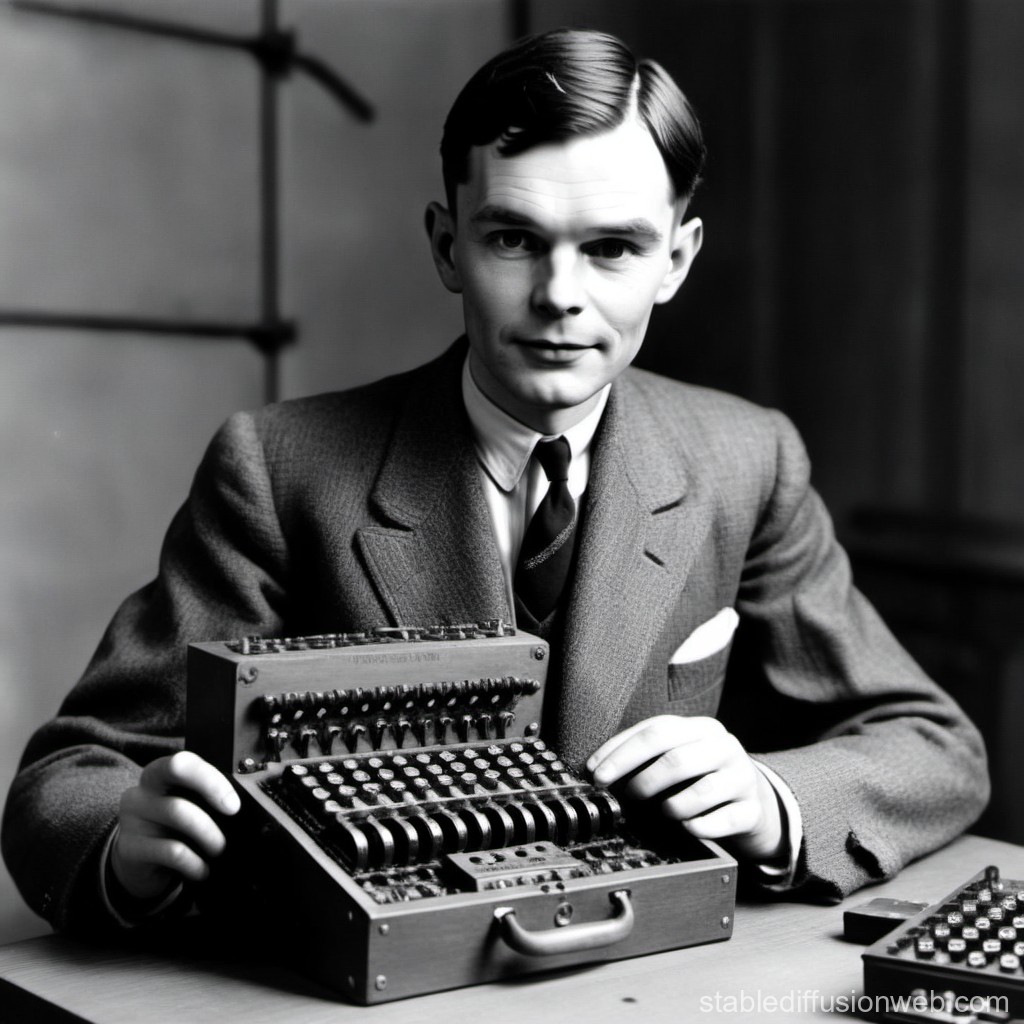
21. Alan Turing
(1912–1954)
Alan Mathison Turing (1912–1954) was an English mathematician, logician, cryptanalyst, and computer scientist.
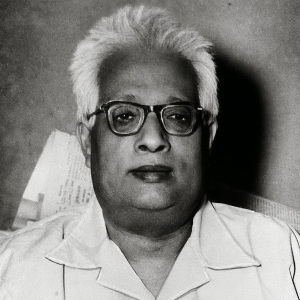
22. Satyendra Nath Bose
(1894–1974)
Satyendra Nath Bose (1894–1974) was an Indian physicist and mathematician, best known for his groundbreaking work in quantum mechanics, particularly in the development of Bose-Einstein statistics.
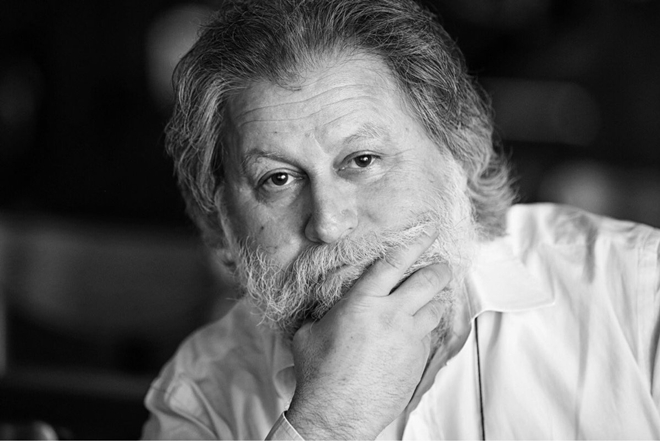
23. Ali Nesin
(1956– )
Ali Nesin (born 18 November 1956 in Istanbul, Turkey) is a Turkish mathematician renowned for his contributions to mathematical education and public outreach.

24. Chamok Hasan
(1986– )
Chamok Hasan (born July 28, 1986, Kushtia, Bangladesh) is a multifaceted Bangladeshi engineer, educator, musician, and author.

All rights reserved by the Mathematical Unity
Contact: +8801400044645
Email: mathematicalhorse1453@gmail.com
Our Discord Server: Mathematical Unity [Ulus Riyadiyat]