Welcome to the Mathematical World!
Renaissance Mathematicians & Scientists
The Renaissance fostered visionaries who transformed European mathematics and science through experimentation, measurement, and mathematical rigor. Reviving classical knowledge while embracing innovation, these thinkers advanced algebra, geometry, astronomy, and mechanics. Figures such as Fibonacci, Copernicus, Galileo, and Newton challenged tradition, unified mathematics with observation, and emphasized systematic reasoning. Their work reshaped humanity’s understanding of nature, established scientific methodology, and laid the intellectual foundations for modern mathematics, physics, and technological progress across the world.
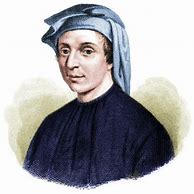
1. Fibonacci
(c. 1170–c. 1240)
Fibonacci introduced Hindu-Arabic numerals to Europe through his famous book Liber Abaci (1202), revolutionizing calculation and commerce.
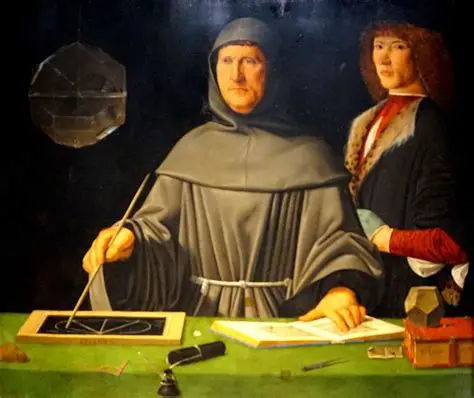
2. Luca Pacioli
(1447–1517)
Luca Pacioli, an Italian mathematician and Franciscan friar, is celebrated as the “father of accounting” for formalizing double-entry bookkeeping in his work Summa de Arithmetica (1494).
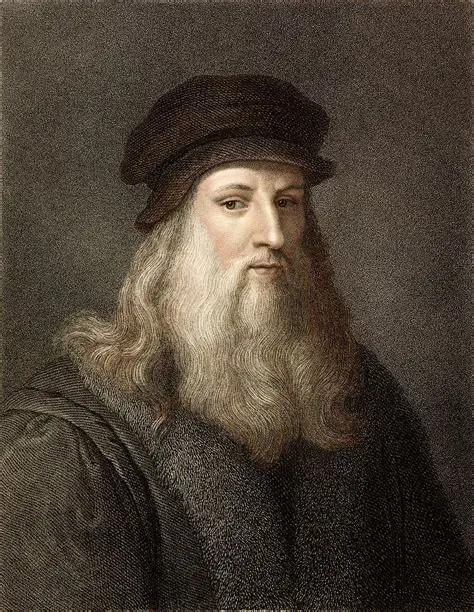
3. Leonardo da Vinci
(1452–1519)
Leonardo da Vinci used mathematics as a tool to understand proportion, perspective, and motion in art, architecture, and engineering.

4. Nicolaus Copernicus
(1473–1543)
Copernicus is best known for proposing the heliocentric model, placing the Sun at the center of the universe instead of Earth.
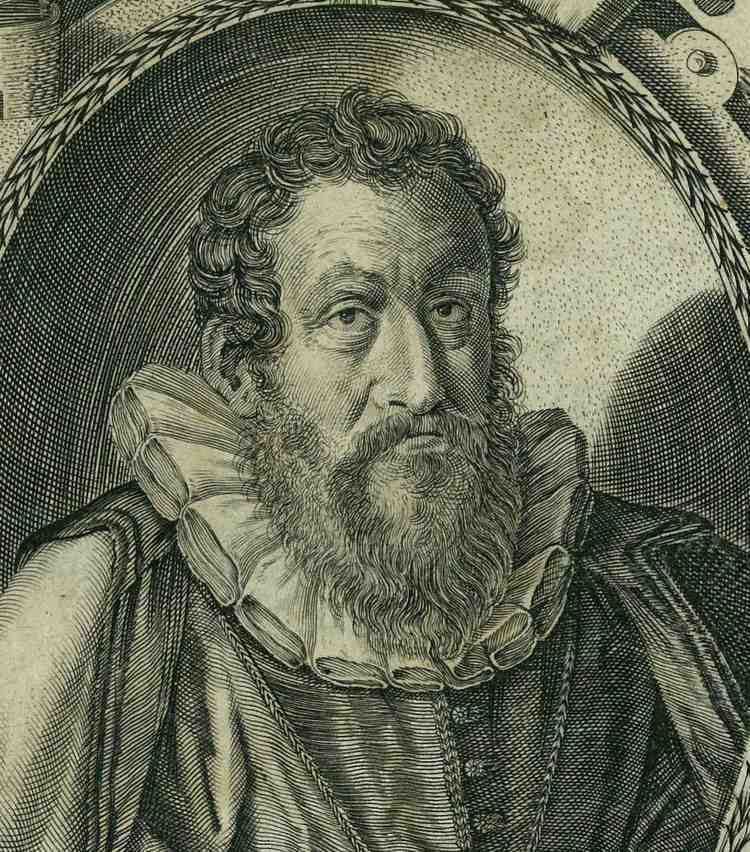
5. Gerolamo Cardano
(1501–1576)
Cardano was a Renaissance polymath who made groundbreaking contributions to algebra, probability, and mechanics.

6. Gemma Frisius
(1508–1555)
Gemma Frisius was a mathematician and cartographer who advanced navigation and map-making through the systematic use of triangulation.
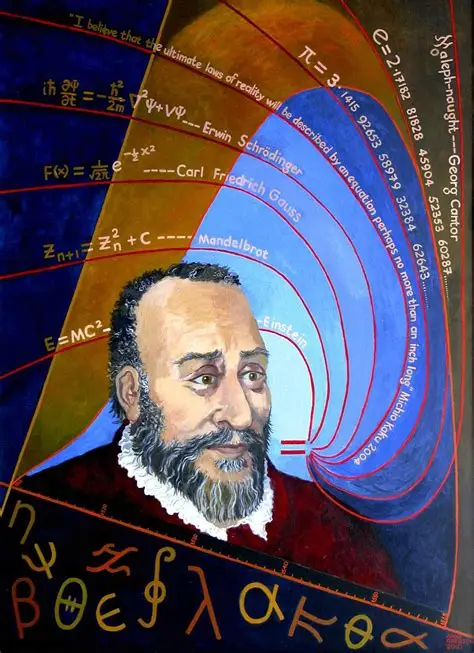
7. Robert Recorde
(1512–1558)
Robert Recorde is remembered for making mathematics accessible in English and for introducing the equals sign (=), which is universally used today.
8. Tycho Brahe
(1546–1601)
Tycho Brahe was the preeminent observational astronomer of his time, recording the positions of stars and planets with unprecedented accuracy before the invention of the telescope.
9. Francois Viete
(1540–1603)
François Viète transformed algebra by introducing the systematic use of letters to represent unknowns and constants.
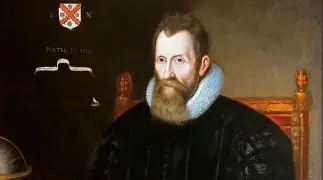
10. John Napier
(1550–1617)
Napier revolutionized calculation with his invention of logarithms, transforming complex multiplication, division, and powers into simpler arithmetic operations.
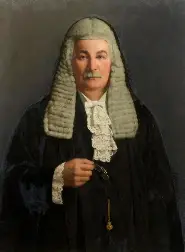
11. Henry Briggs
(1561–1630)
Henry Briggs refined John Napier’s logarithms by introducing base-10, or common logarithms, which made calculations even more practical for scientists, navigators, and engineers.
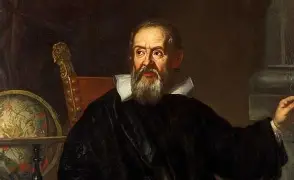
12. Galileo Galilei
(1564–1642)
Galileo combined observation, experimentation, and mathematics to create the foundation of modern physics.
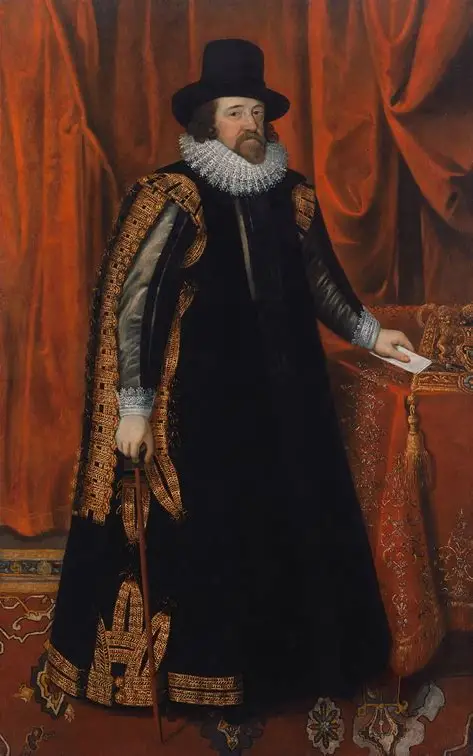
13. Francis Bacon
(1561–1626)
Francis Bacon championed a new approach to knowledge, emphasizing empirical observation combined with systematic reasoning.
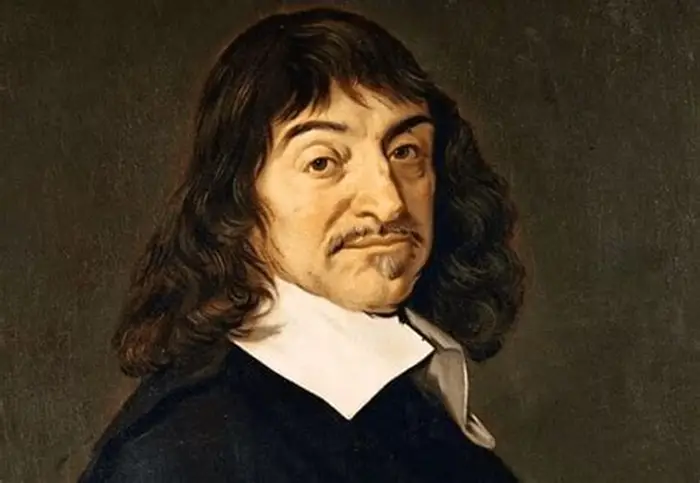
14. Rene Descartes
(1596–1650)
Descartes merged algebra and geometry, inventing analytic geometry and the Cartesian plane.
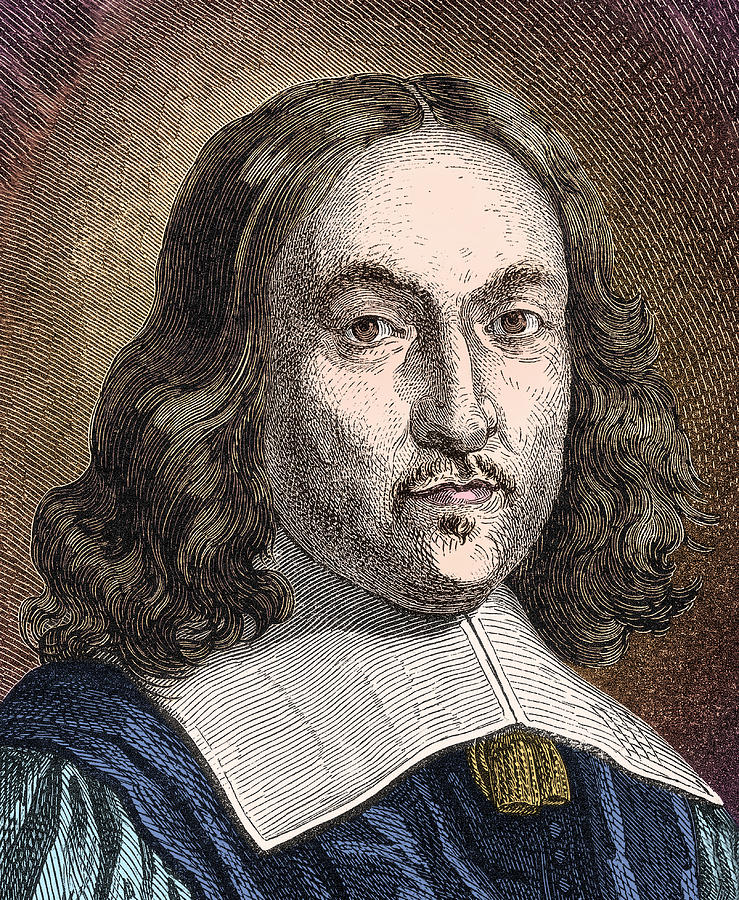
15. Pierre Fermat
(1601–1665)
Pierre de Fermat (1607–1665) was a French mathematician, lawyer, and government official who is remembered as one of the greatest minds in the history of mathematics.
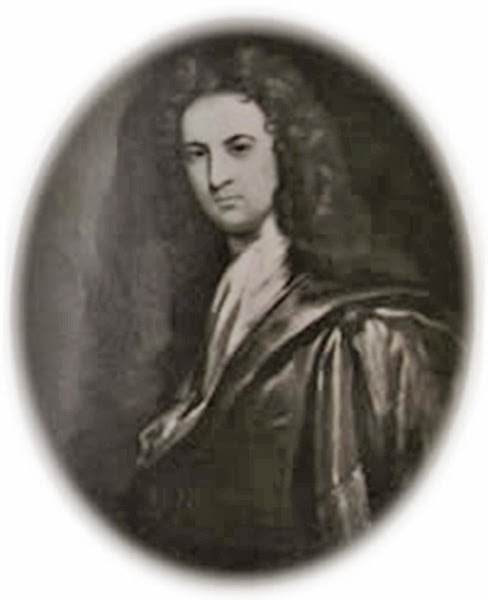
16. John Pell
(1611–1685)
John Pell is remembered primarily for the equation that bears his name, Pell’s Equation, which seeks integer solutions to some quadratic forms.

17. Robert Boyle
(1627–1691)
Robert Boyle, widely regarded as one of the founders of modern chemistry, relied on mathematics to quantify relationships in physical experiments.
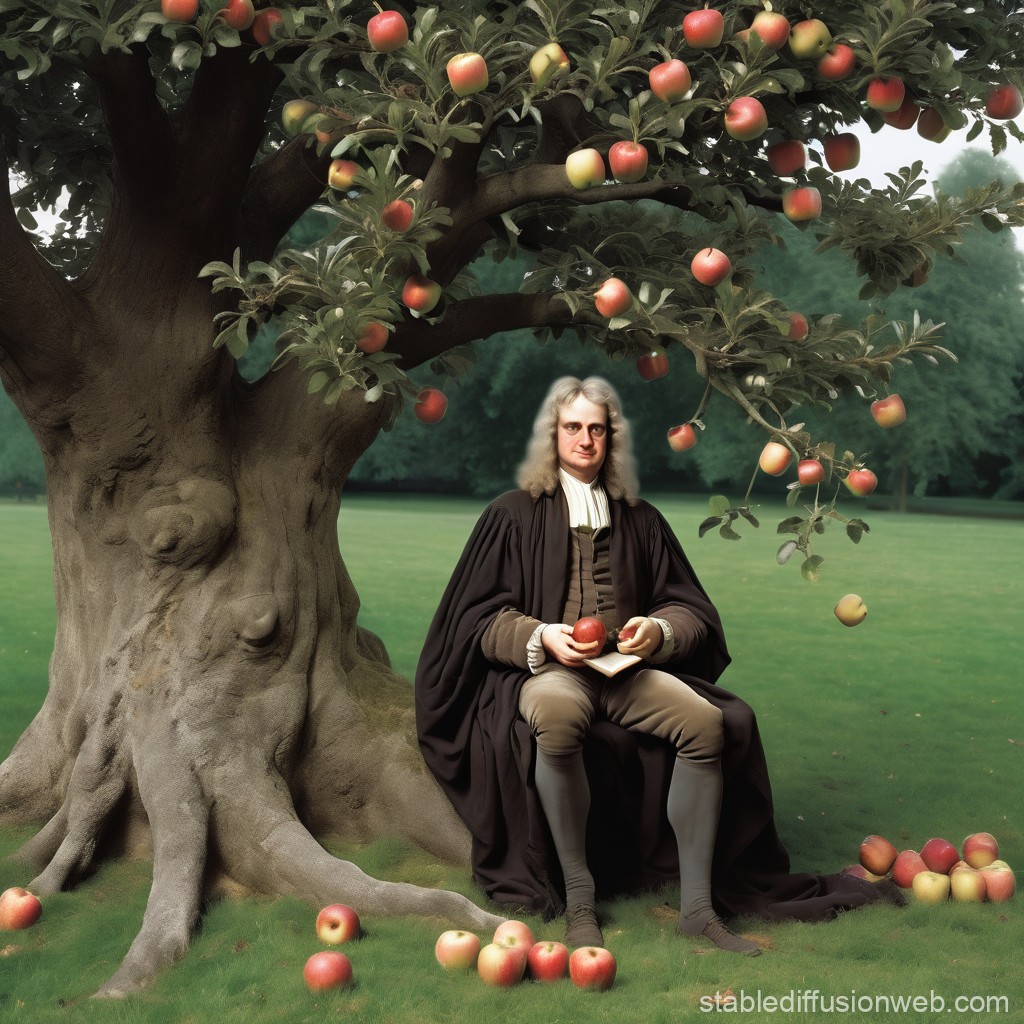
18. Isaac Newton
(1643–1727)
Newton’s Philosophiæ Naturalis Principia Mathematica (1687) united celestial and earthly physics with his laws of motion and universal gravitation.
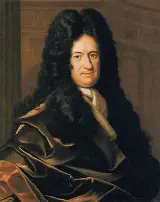
19. Gottfried Wilhelm Leibniz
(1646–1716)
Leibniz co-invented calculus independently of Newton, but his elegant notation—the integral sign (from the Latin summa) and the differential —became the global standard.
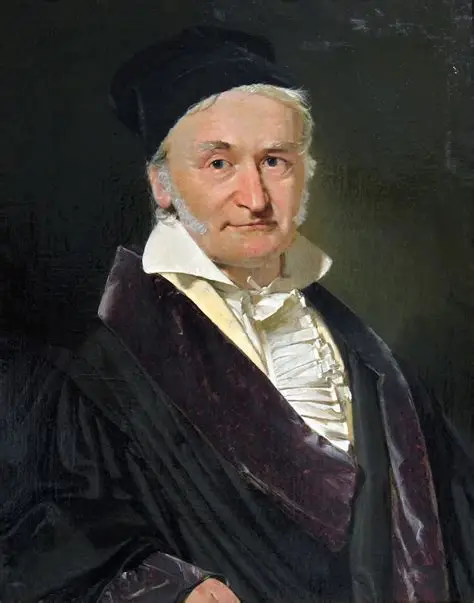
20. Carl Friedrich Gauss
(1777–1855)
Carl Friedrich Gauss (1777–1855) was a German mathematician, astronomer, and physicist whose work shaped numerous fields, including number theory, statistics, analysis, geometry, geodesy, magnetism, and astronomy.
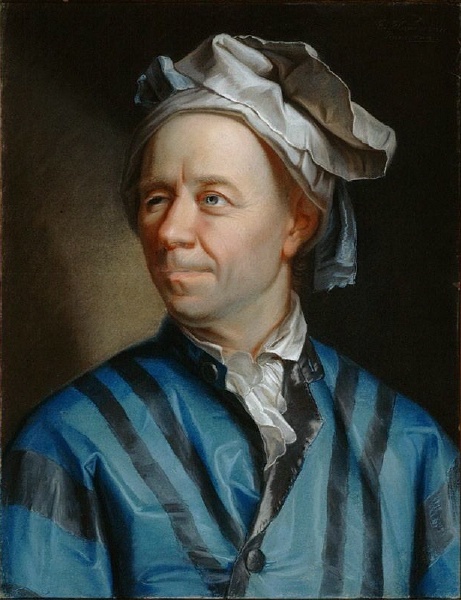
21. Leonhard Euler
(1707–1783)
Leonhard Euler (1707–1783) was one of the most prolific and influential mathematicians in history.
22. Johannes Kepler
(1571–1630)
Kepler refined Copernican theory by discovering that planets move in ellipses, not perfect circles.
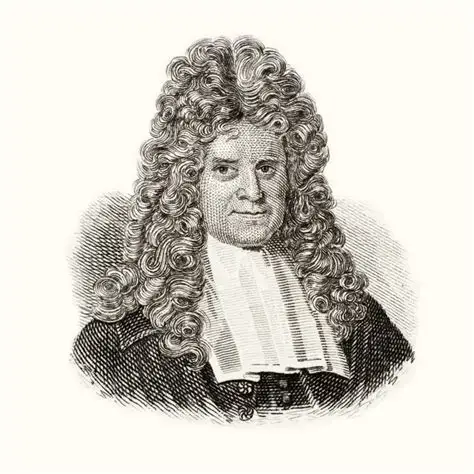
23. Bartholomeo Pitiscus
(1561–1613)
Pitiscus is best known for formalizing trigonometry as a distinct branch of mathematics and coining the term itself.
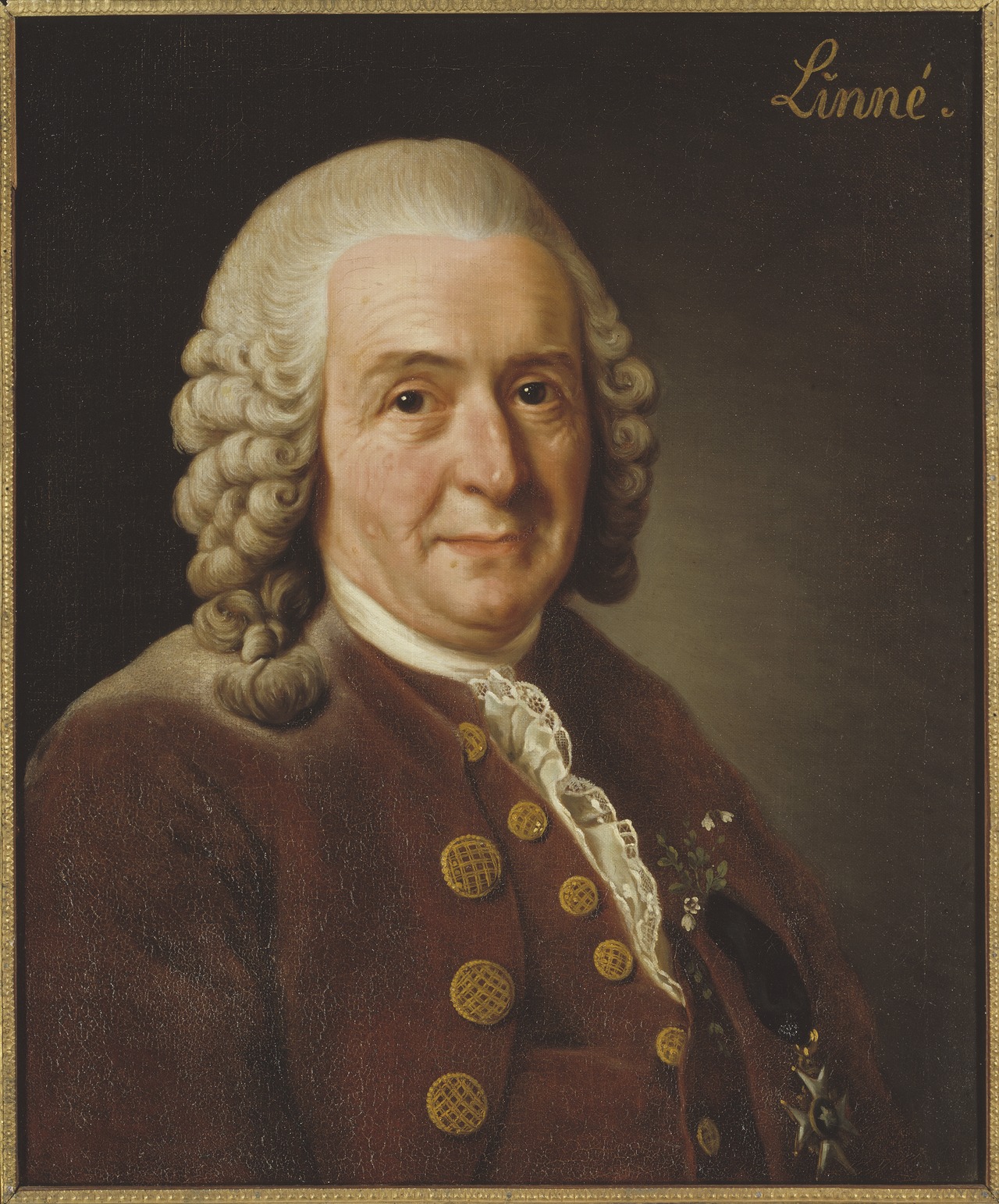
24. Carolus Linnaeus
(1707–1778)
Carolus Linnaeus, though primarily a biologist, applied rigorous mathematical principles to the classification of living organisms.

All rights reserved by the Mathematical Unity
Contact: +8801400044645
Email: mathematicalhorse1453@gmail.com
Our Discord Server: Mathematical Unity [Ulus Riyadiyat]