Welcome to the Mathematical World!
East Asian Mathematicians
East Asia cultivated mathematical traditions that matured into lasting contributions to arithmetic, algebra, geometry, astronomy, and computation. Scholars across China, Korea, and Japan pursued order through calculation—tracing numerical patterns, refining algorithms, and modeling natural phenomena. From early masters who systematized counting methods and approximated π to later innovators who advanced series, equations, and proto-calculus, these mathematicians forged practical yet profound approaches to reasoning that influenced regional science and ultimately enriched the global history of mathematics worldwide.
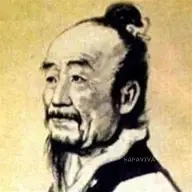
1. Liu Hui
(c. 225–295)
Liu Hui (c. 225 – c. 295 AD) was a brilliant Chinese mathematician whose work profoundly influenced the development of ancient Chinese mathematics.
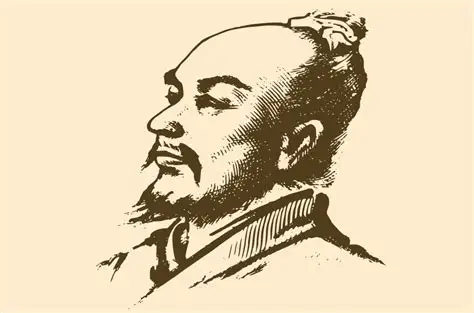
2. Zhang Heng
(78–139)
Zhang Heng (AD 78–139) was a Chinese polymath whose scientific and literary achievements spanned astronomy, mechanics, seismology, and poetry.
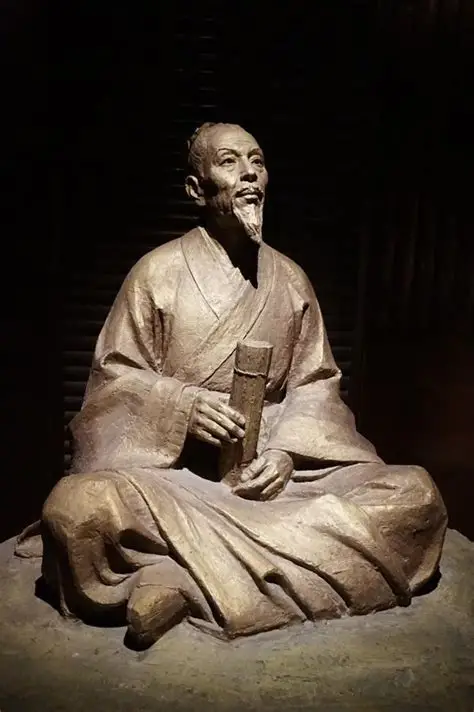
3. Zu Chongzhi
(429–500)
Zu Chongzhi (429–500 AD) was a Chinese mathematician, astronomer, and engineer whose contributions left a lasting mark on the scientific tradition of ancient China.

4. Yang Hui
(1238–1298)
Yang Hui (c. 1238–1298) was a Chinese mathematician of the Southern Song dynasty, celebrated for his writings on combinatorics, magic squares, and algebra.
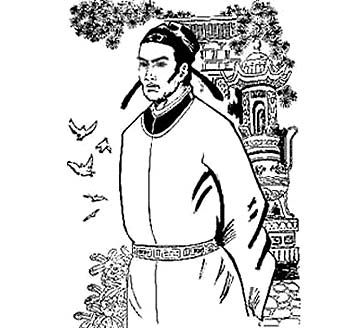
5. Qin Jiushao
(c. 1202–1261)
Qin Jiushao (c. 1202–1261) was a remarkably versatile scholar of the Southern Song dynasty, excelling in mathematics, meteorology, invention, and administration.
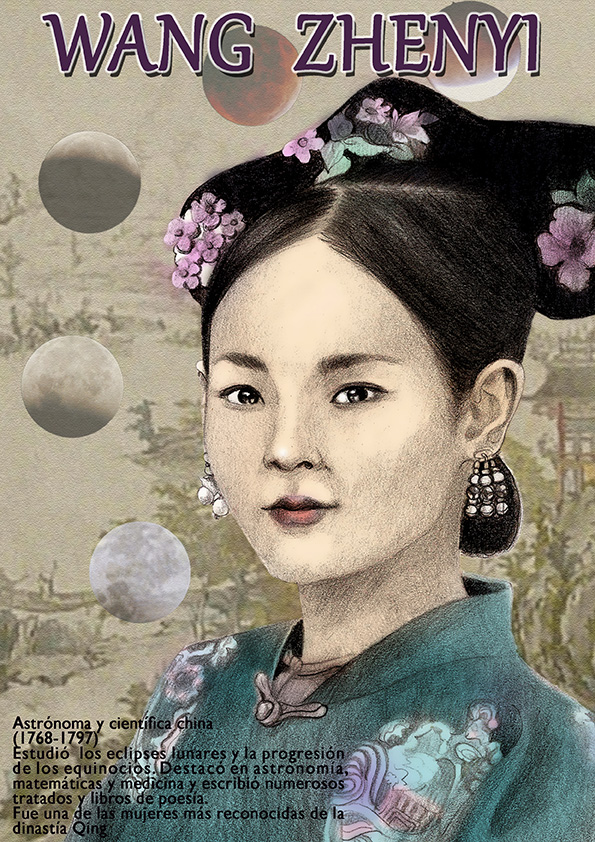
6. Wang Zhenyi
(1768–1797)
ang Zhenyi (1768–1797) was an extraordinary mathematician, astronomer, and poet of the Qing dynasty, renowned for breaking gender barriers in the male-dominated intellectual world of 18th-century China.
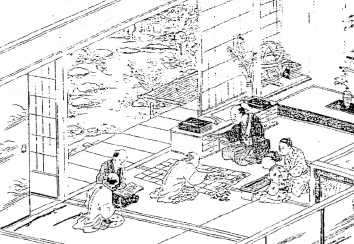
7. Takebe Katahiro
(1664–1739)
Takebe Katahiro (1664–1739) was a brilliant Japanese mathematician of the Edo period and a direct disciple of Seki Takakazu.
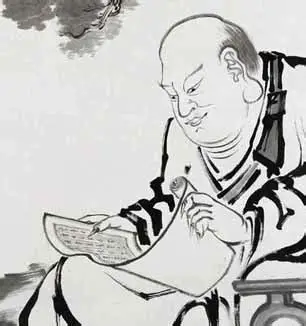
8. Ajima Naonobu
(1732–1798)
Ajima Naonobu (1732–1798) was a prominent mathematician of Japan’s Edo period, recognized for his groundbreaking work in geometry, infinite series, and integral methods.
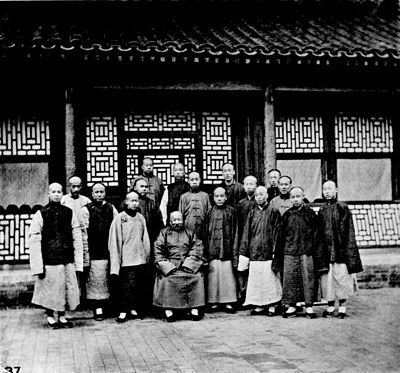
9. Li Shanlan
(1810–1882)
Li Shanlan (1810–1882) was a Chinese mathematician and translator during the Qing Dynasty who played a crucial role in introducing Western mathematical knowledge into China.
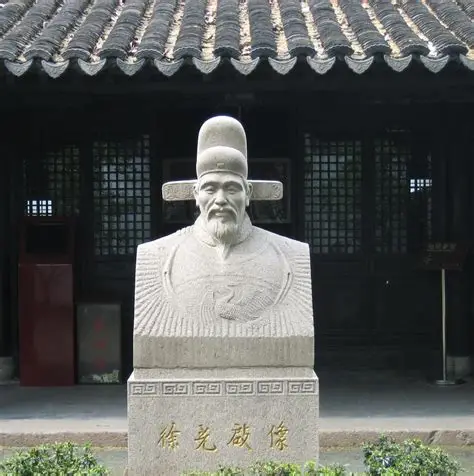
10. Xu Guangqi
(1562–1633)
Xu Guangqi (1562–1633) was a Chinese polymath of the Ming Dynasty who made significant contributions to mathematics, astronomy, and agriculture.
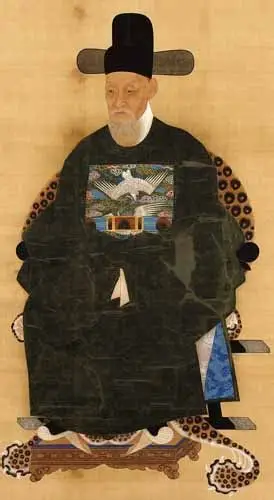
11. Choi Seok-jeong
(1646–1715)
Choi Seok-jeong (1646–1715) was a Korean mathematician and high-ranking Joseon official whose 1700 treatise Gusuryak (“Nine-Number Manual”) introduced the first known use of orthogonal Latin squares, predating Euler by over 60 years.
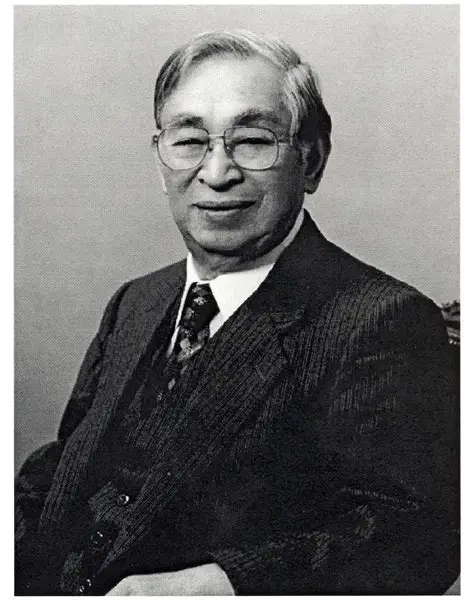
12. Kiyoshi Ito
(1915–2008)
Kiyoshi Itō (1915–2008) was a brilliant Japanese mathematician who transformed the landscape of probability theory and stochastic processes.
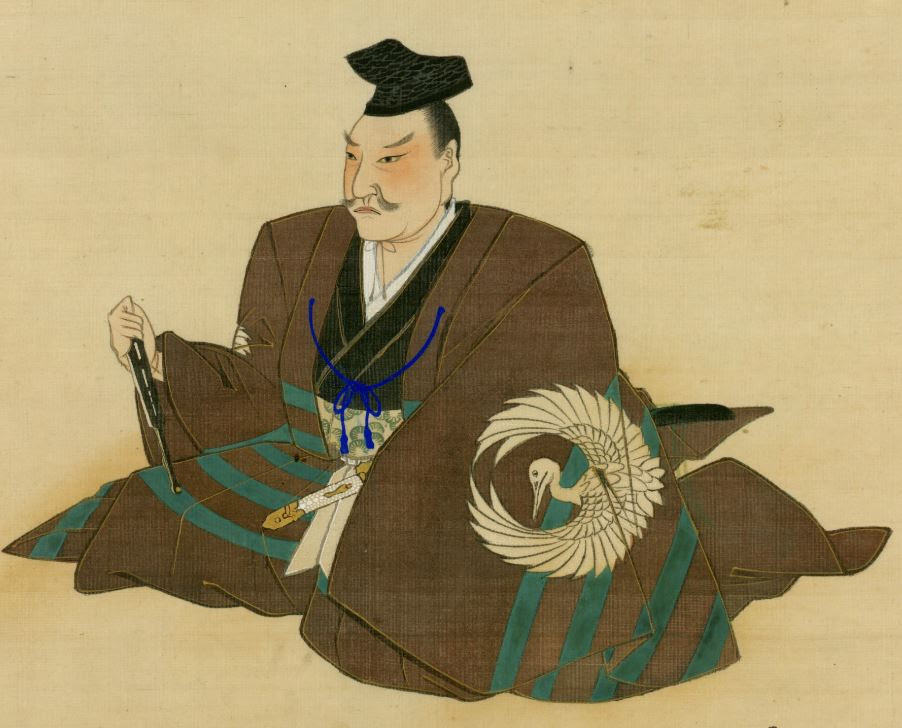
13. Takakazu Seki
(1642–1708)
Takakazu Seki (1642–1708), often hailed as the “Newton of Japan,” was the leading figure of Wasan, the Japanese school of mathematics that flourished independently from European traditions.
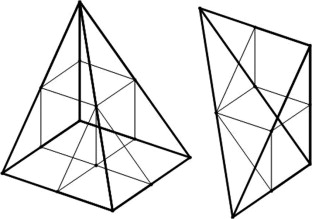
14. Nam Pyong-gil
(1832–?)
Nam Pyong-gil (1820–1869) was a Korean mathematician of the late Joseon Dynasty who played a pivotal role in bridging traditional East Asian mathematics with modern approaches influenced by the West.
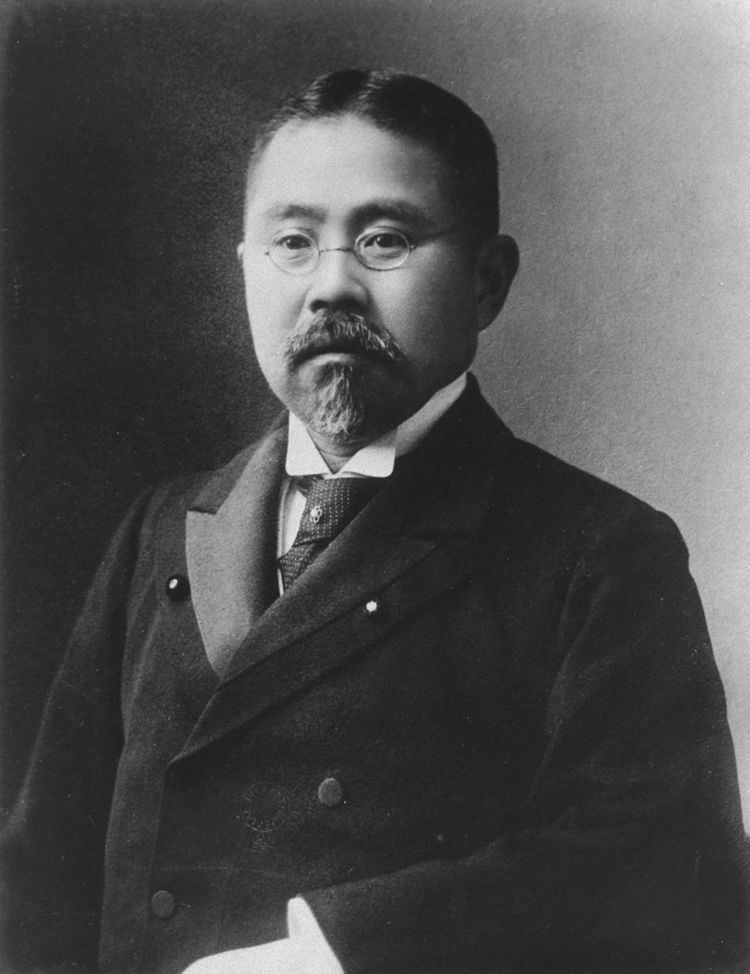
15. Kikuchi Dairoku
(1855–1917)
Kikuchi Dairoku (1855–1917) was a Japanese mathematician, educator, and statesman who became one of the first Japanese scholars to receive formal training in mathematics abroad.
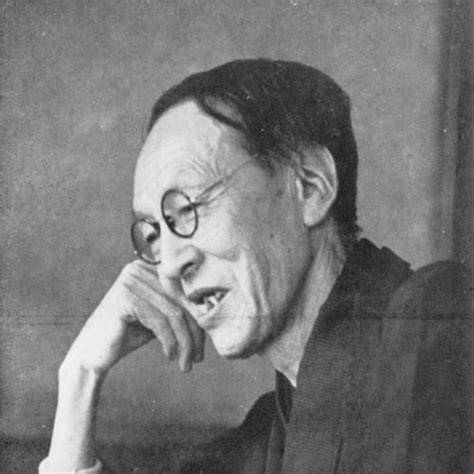
16. Ogura Kinnosuke
(1860–1921)
gura Kinnosuke (1882–1962) was a Japanese mathematician and historian of mathematics who made lasting contributions to the study of number theory and the history of East Asian mathematics.
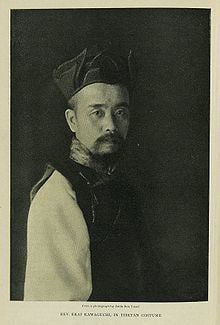
17. Kawaguchi Ekai
(1866–1945)
Kawaguchi Ekai (1866–1945) was a Japanese Buddhist monk, scholar, and explorer who also contributed to the spread of scientific thought in Japan.
18. Mochizuki Shuntoku
(1870–1940)
Mochizuki Shuntoku (1698–1743) was a Japanese mathematician of the Edo period who contributed to the advancement of algebraic methods and the popularization of wazan.
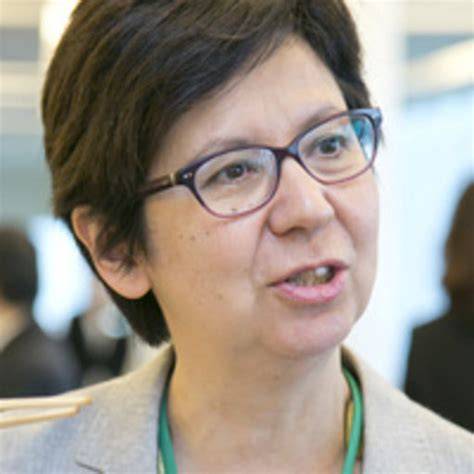
19. Horiuchi Annick
(1880–1950)
Annick Horiuchi (born 1957) is a French-Japanese historian of mathematics who has specialized in the study of Japanese Wasan and its relation to global mathematics.
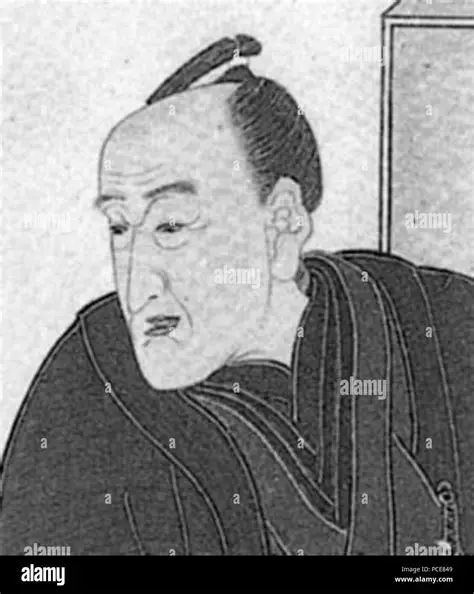
20. Aida Yasuaki
(1747–1817)
Aida Yasuaki (1747–1817) was a prominent Japanese mathematician of the Edo period, best remembered for his contributions to wazan (traditional Japanese mathematics).
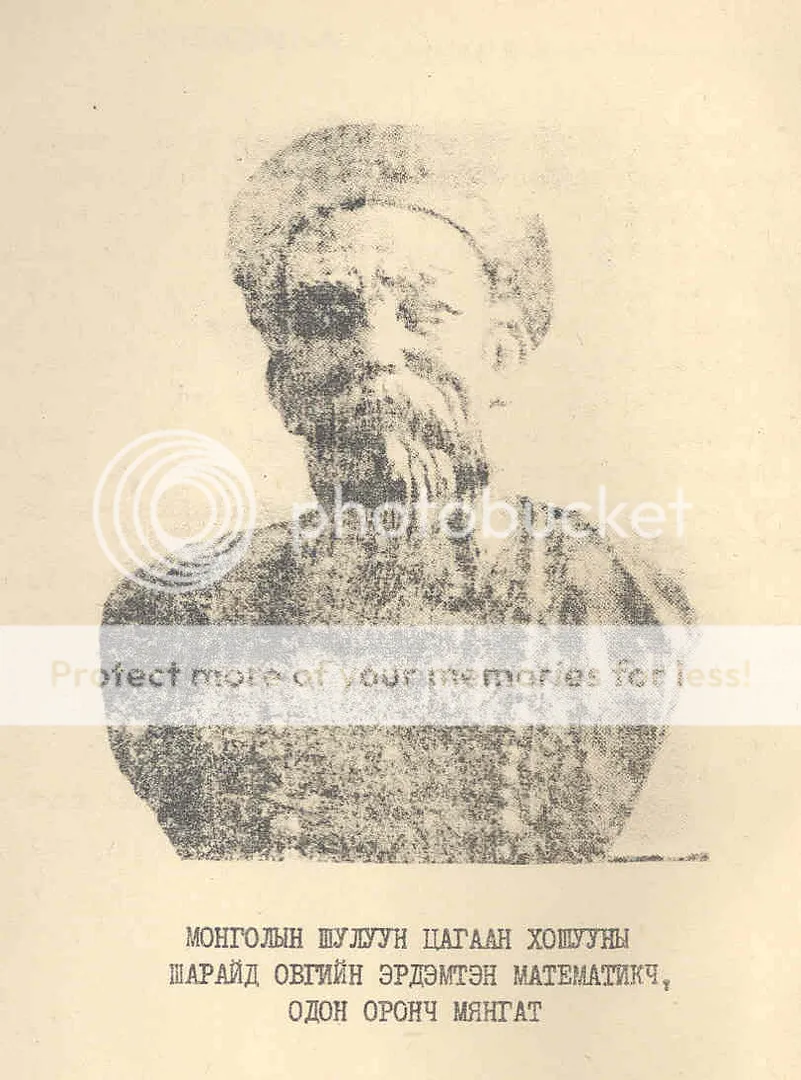
21. Minggatu
(1692–1765)
Minggatu (c. 1692–1763), also known as Ming Antu, was a Mongolian astronomer and mathematician who served at the Qing Imperial Observatory.
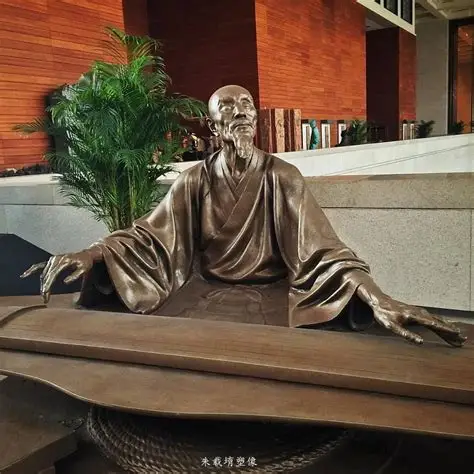
22. Zhu Zaiyu
(1536–1611)
Zhu Zaiyu (1536–1611), a Ming dynasty prince and polymath, made groundbreaking contributions at the nexus of mathematics, physics, and music theory.
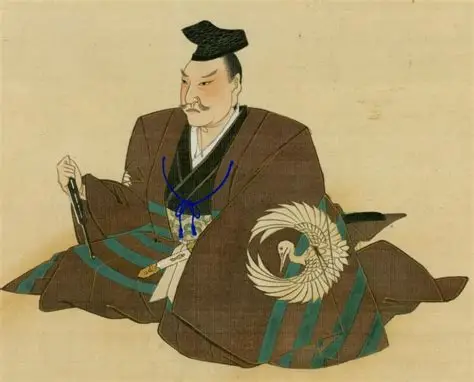
23. Kenko Seki
(1642–1708)
Kenkō Seki (1642–1708) was a pioneering Japanese mathematician of the Edo period, often regarded as the father of Japanese mathematics, or wasan.
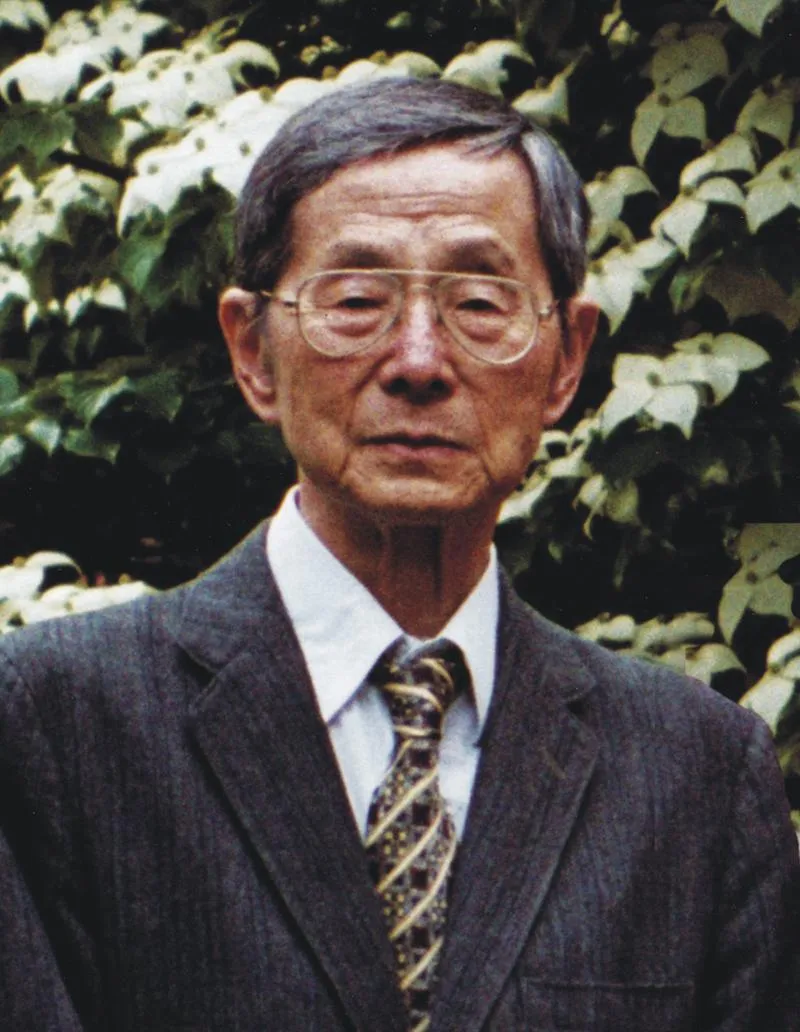
24. Rimhak Ree
(1922–2005)
Rimhak Ree (1922–2005) was a pioneering Korean mathematician whose work profoundly impacted group theory.

All rights reserved by the Mathematical Unity
Contact: +8801400044645
Email: mathematicalhorse1453@gmail.com
Our Discord Server: Mathematical Unity [Ulus Riyadiyat]