Welcome to the Mathematical World!
Greek Mathematics: From Cosmos to Calculation
Ancient Greece nurtured mathematical thought that blossomed into the foundations of geometry, logic, astronomy, and philosophical analysis. Greek mathematicians were driven by a quest for rational order—seeking patterns in the heavens, rigor in proofs, and harmony in numbers. From natural philosophers like Thales, who sought to explain the world without myth, to Archimedes, who mastered geometry and invented machinery, these thinkers built the pillars of logical inquiry and quantitative reasoning that continue to underpin modern science.
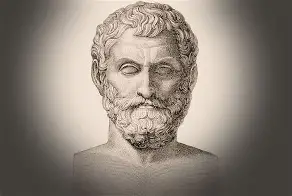
1. Thales
(c. 624–c. 546 BCE)
Thales of Miletus (c. 624 BCE – c. 546 BCE) is usually considered the first mathematician in history and a founder of Greek science and philosophy.
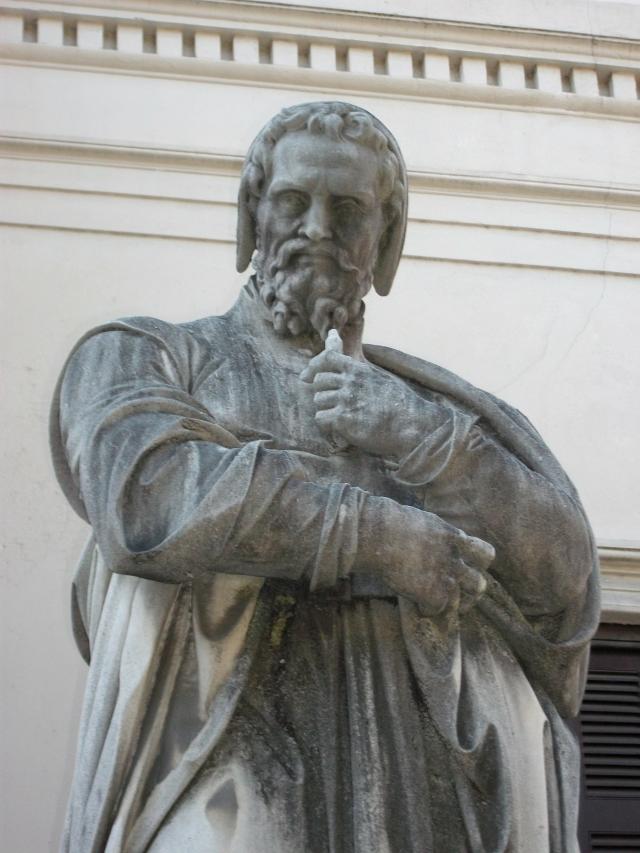
2. Anaximander
(c. 610–c. 546 BCE)
Anaximander (c. 610 BCE – c. 546 BCE) was a Pre-Socratic Greek philosopher, astronomer, and cartographer, and a student of Thales of Miletus.
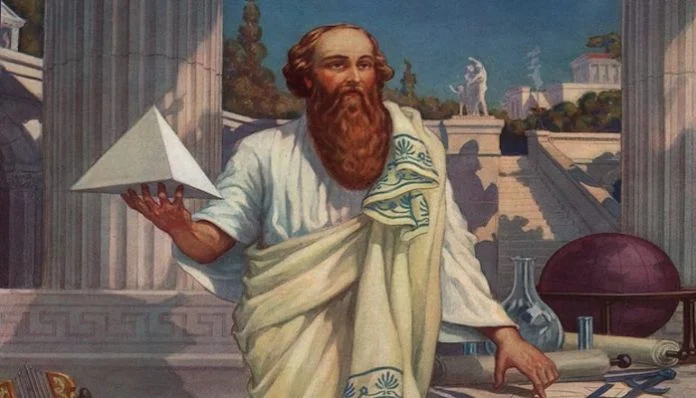
3. Pythagoras
(c. 570–c. 495 BCE)
Pythagoras (c. 570–495 BCE) is best known for the Pythagorean Theorem, a fundamental principle in mathematics relating the sides of a right triangle.
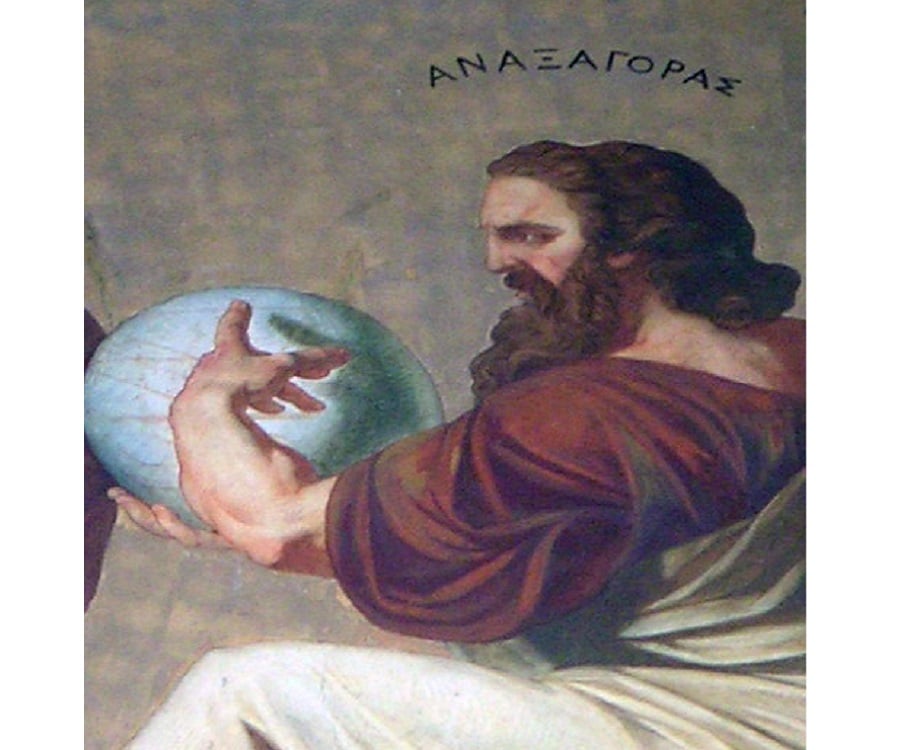
4. Anaxagoras
(c. 500–c. 428 BCE)
Anaxagoras was a philosopher from Clazomenae, a city in Asia Minor (modern-day Turkey).
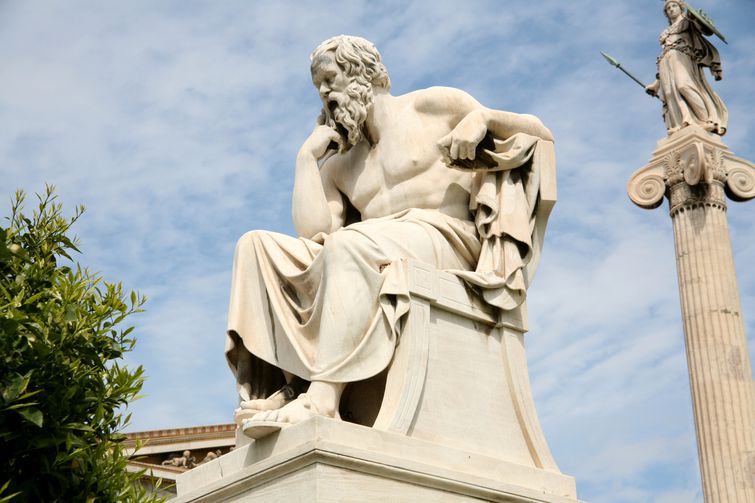
5. Socrates
(c. 470–399 BCE)
Socrates (c. 470 – 399 BCE) is often regarded as the father of Western philosophy and one of the most influential thinkers in history.

6. Democritus
(c. 460–c. 370 BCE)
Democritus (c. 460–370 BCE) was a pioneering pre-Socratic philosopher best known for developing an early theory of atomism—the concept that all matter is composed of tiny, indivisible particles called atoms.
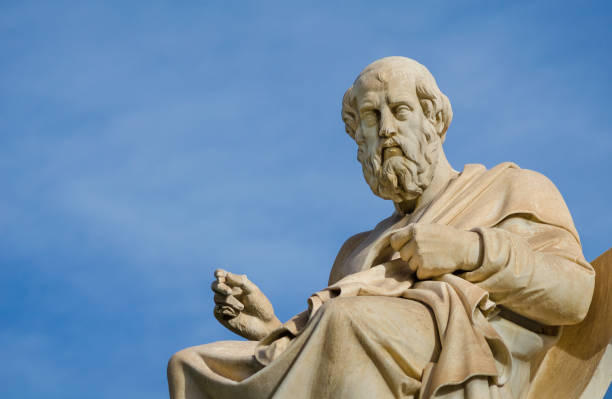
7. Plato
(c. 428–348 BCE)
Plato (c. 428–348 BCE) Plato was a student of Socrates and the teacher of Aristotle. He founded the Academy in Athens, the first institution of higher learning in the Western world.
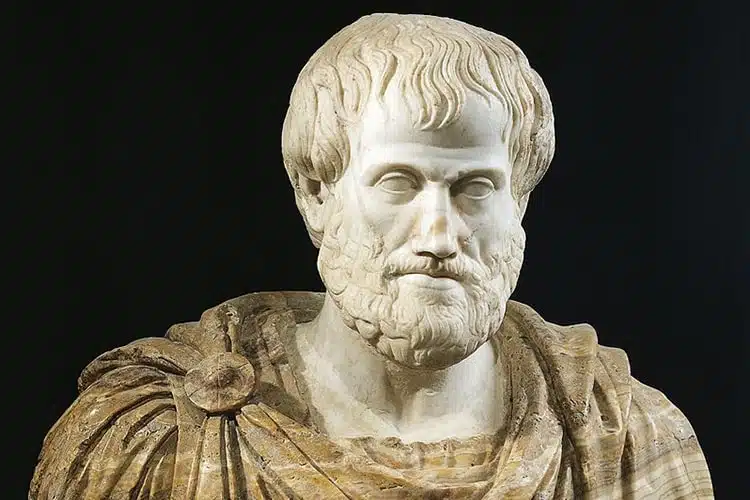
8. Aristotle
(384–322 BCE)
Aristotle (384–322 BCE), a student of Plato and tutor to Alexander the Great, made foundational contributions across a wide range of fields including logic, science, ethics, politics, and metaphysics.
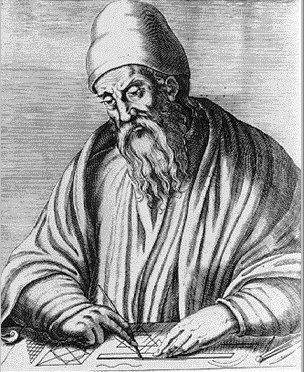
9. Euclid
(fl. c. 300 BCE)
Euclid (c. 300 BCE) was a Greek mathematician who lived and worked in Alexandria, Egypt during the reign of Ptolemy I.
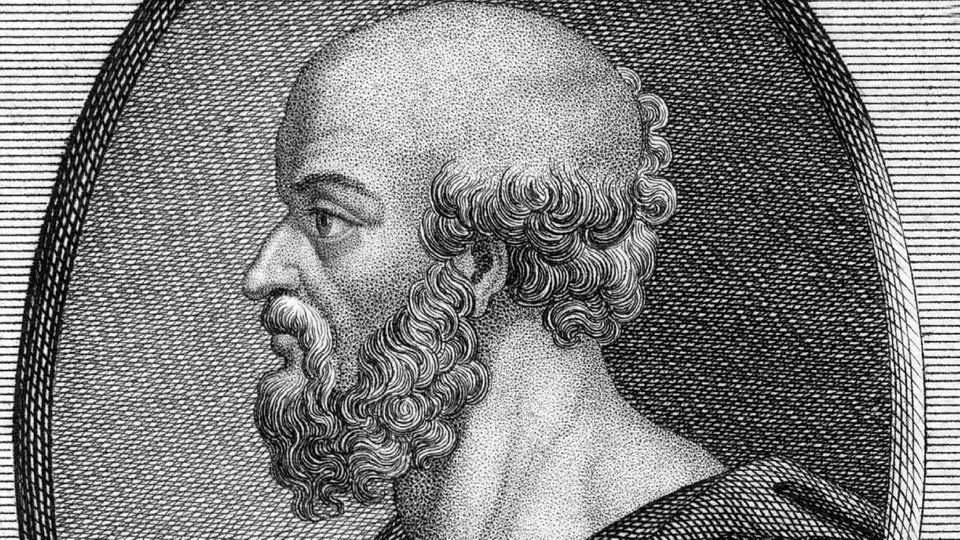
10. Eratosthenes
(c. 276–c. 194 BCE)
Eratosthenes was born in Cyrene, a city in modern-day Libya, and later became the chief librarian at the Library of Alexandria in Egypt — one of the most important centers of knowledge in the ancient world.
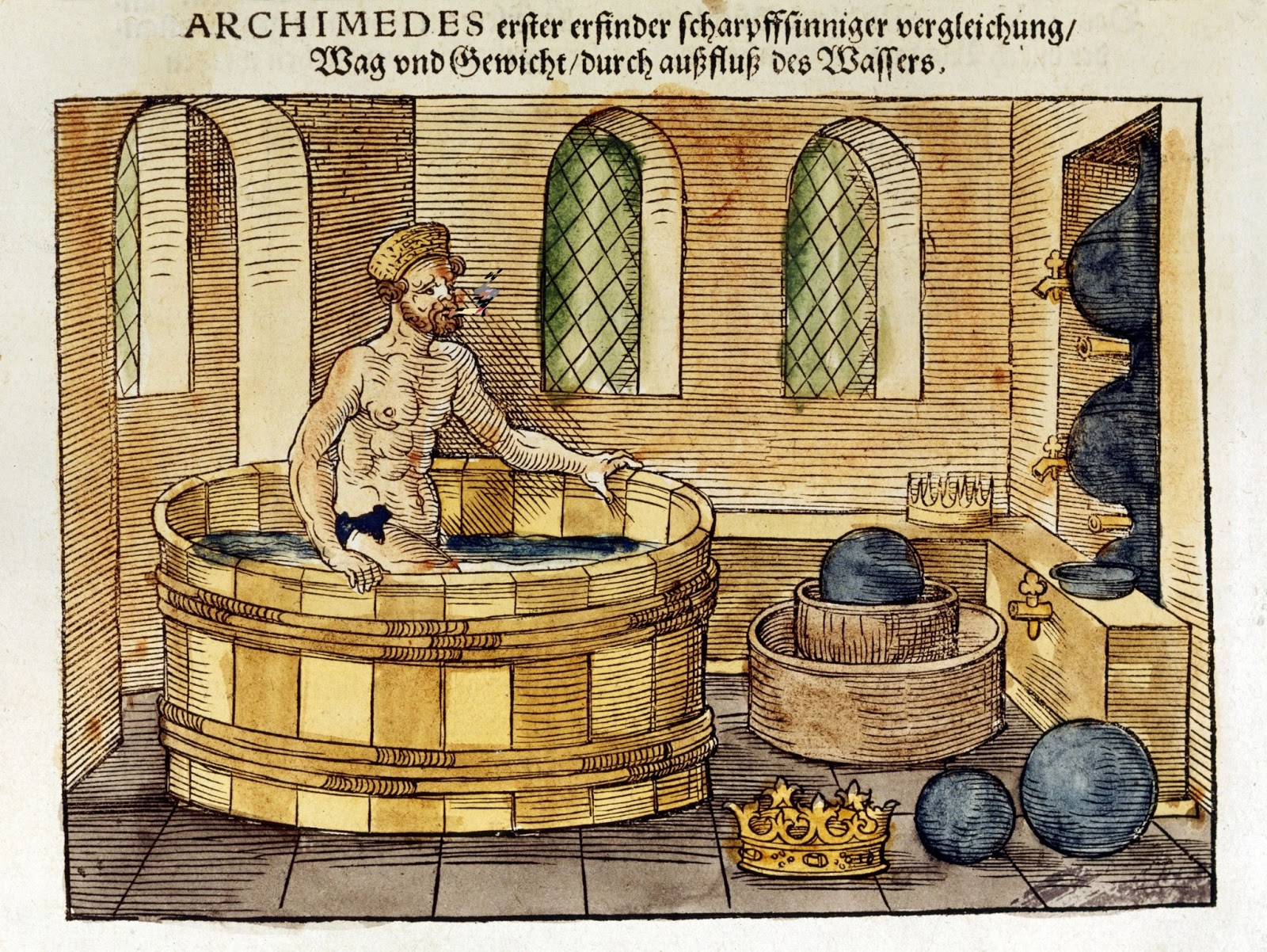
11. Archimedes
(c. 287–c. 212 BCE)
Archimedes of Syracuse was one of the most brilliant scientists, mathematicians, and inventors of the ancient world.
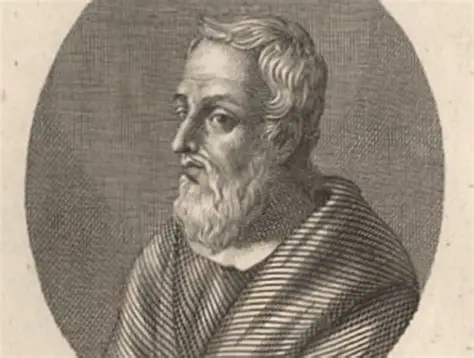
12. Hippasus
(5th century BCE)
Hippasus of Metapontum (c. 5th century BCE) was a Greek philosopher and mathematician, believed to have been a follower of Pythagoras.
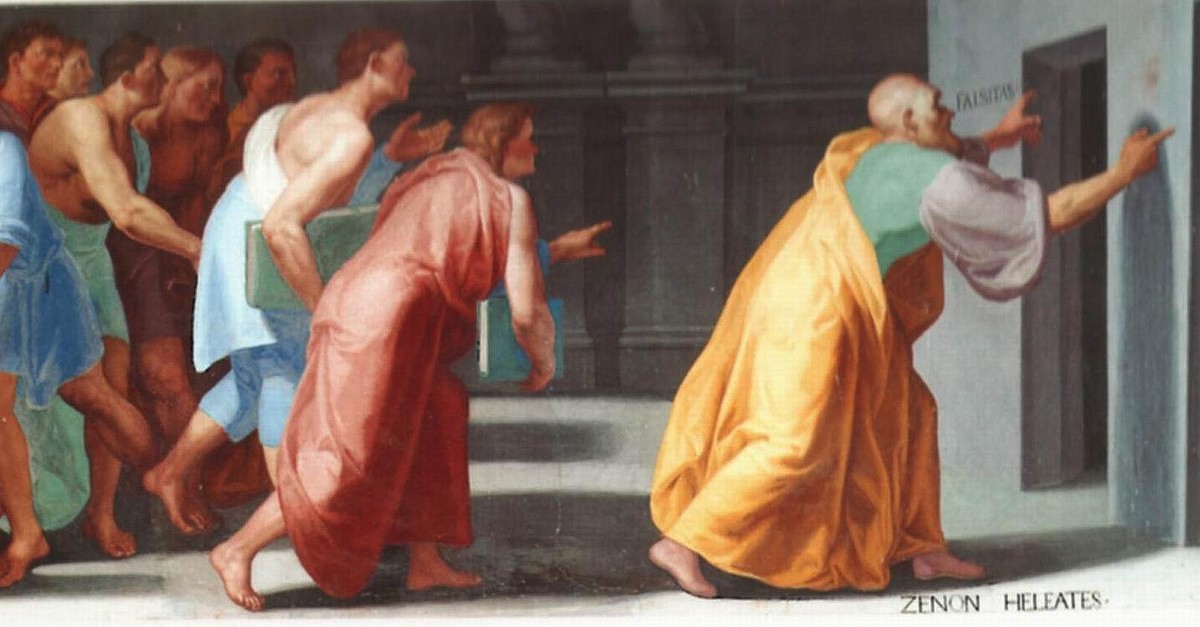
13. Zeno of Elea
(c. 490–c. 430 BCE)
Zeno of Elea was a Greek philosopher and a devoted student of Parmenides, the great thinker of the Eleatic school.
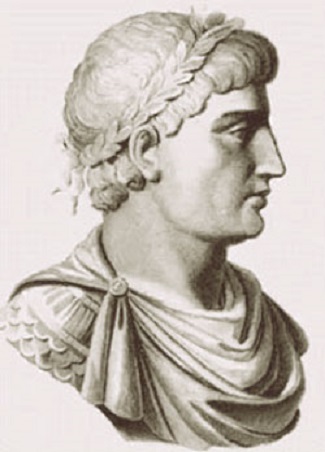
14. Theodosius
(c. 160–c. 100 BCE)
Theodosius of Bithynia (c. 160 BCE – c. 100 BCE) was a Greek mathematician and astronomer, best remembered for his pioneering work in spherical geometry.
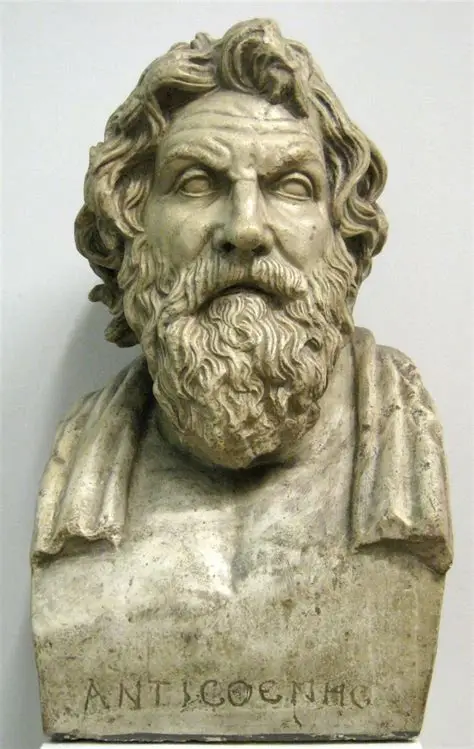
15. Aristarchus
(c. 310–c. 230 BCE)
Aristarchus of Samos (c. 310 BCE – c. 230 BCE) was a Greek astronomer and mathematician, best known for being the first to propose a heliocentric model of the universe — placing the Sun at the center and the Earth orbiting around it.
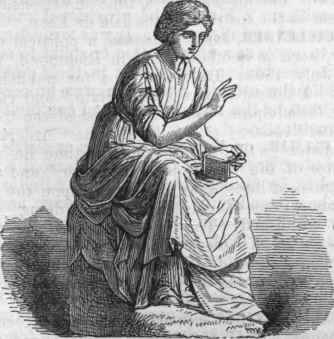
16. Callippus
(c. 370–c. 300 BCE)
Callippus (c. 370 BCE – c. 300 BCE) was a Greek astronomer and mathematician, remembered for refining the work of Meton of Athens and creating the Callippic Cycle — a more accurate system for reconciling the solar year with the lunar calendar.
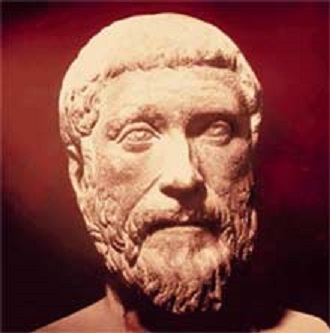
17. Meton
(fl. c. 432 BCE)
Meton of Athens (fl. 5th century BCE, around 432 BCE) was a Greek astronomer, mathematician, engineer, and surveyor.
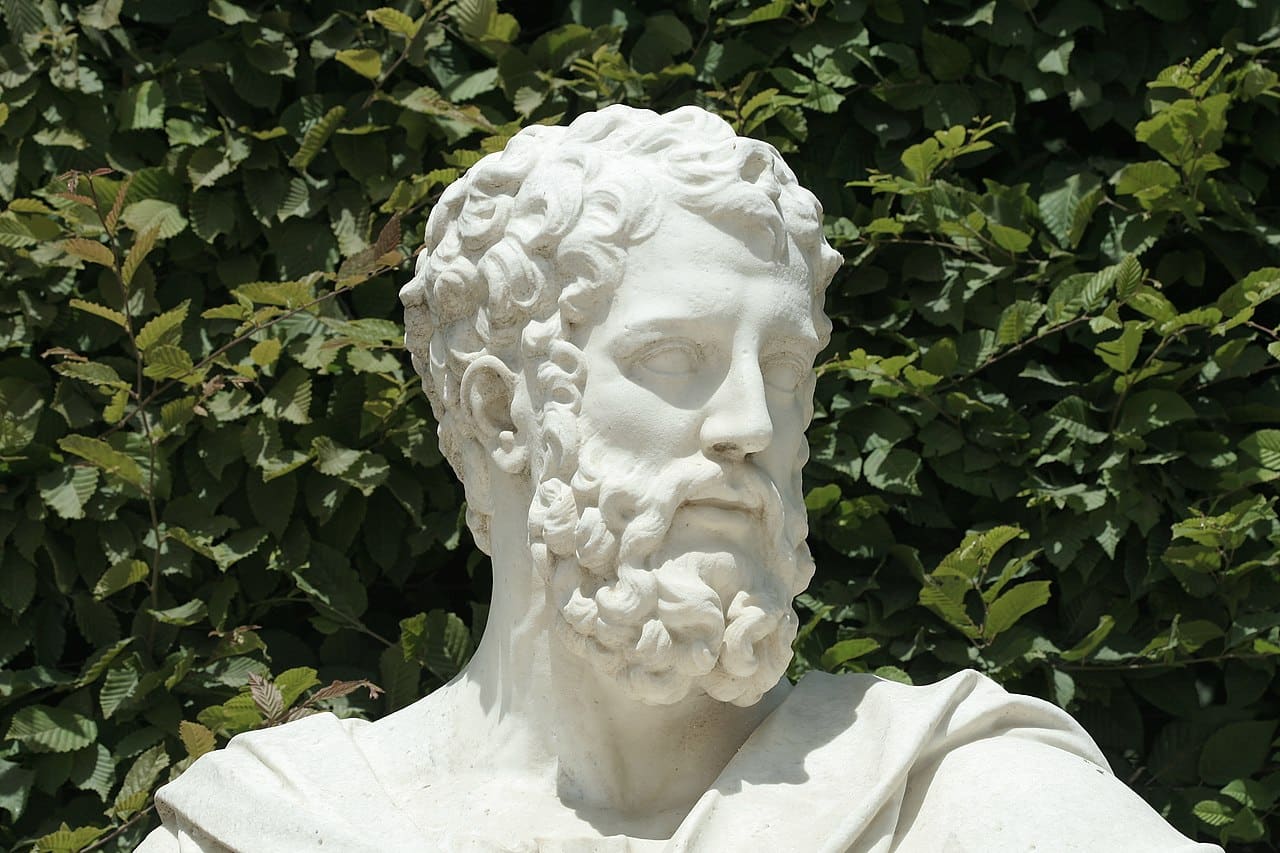
18. Apollonius
(c. 262 BCE – c. 190 BCE)
Apollonius of Perga was a Greek mathematician renowned for his groundbreaking work in geometry, especially his systematic study of conic sections.
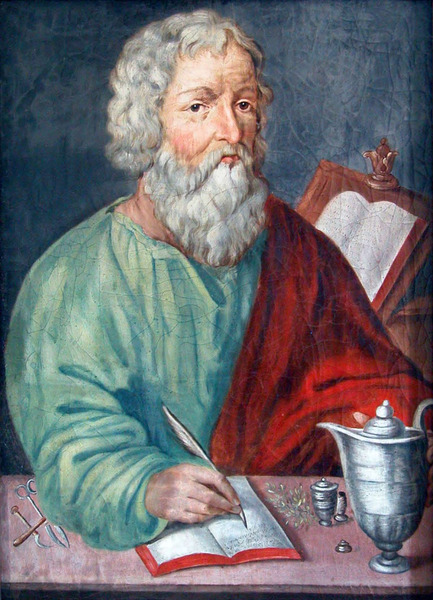
19. Hippocrates
(c. 460–c. 370 BCE)
Hippocrates of Chios (c. 470–410 BC) was an early Greek mathematician whose work marked a turning point in the systematic study of geometry.
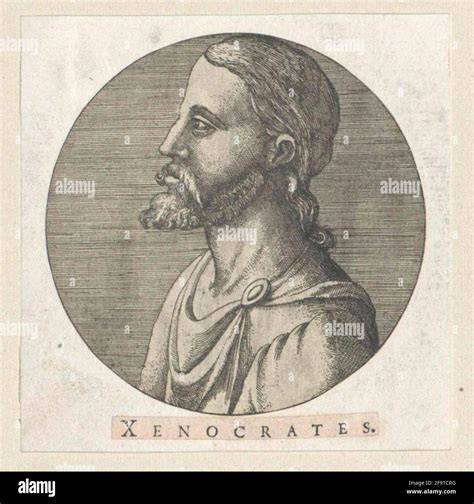
20. Xenocrates
(c. 396–314 BCE)
Xenocrates (c. 396 BCE – 314 BCE) was an ancient Greek philosopher, mathematician, and one of Plato’s closest students.

21. Diogenes
(c. 412–c. 323 BCE)
Diogenes of Sinope (c. 412 BCE – c. 323 BCE) was a Greek philosopher and one of the most notorious figures of classical antiquity.

22. Leucippus
(5th century BCE)
Leucippus (c. 5th century BCE) was a Greek philosopher, traditionally regarded as the originator of atomism, one of the earliest scientific theories of matter.
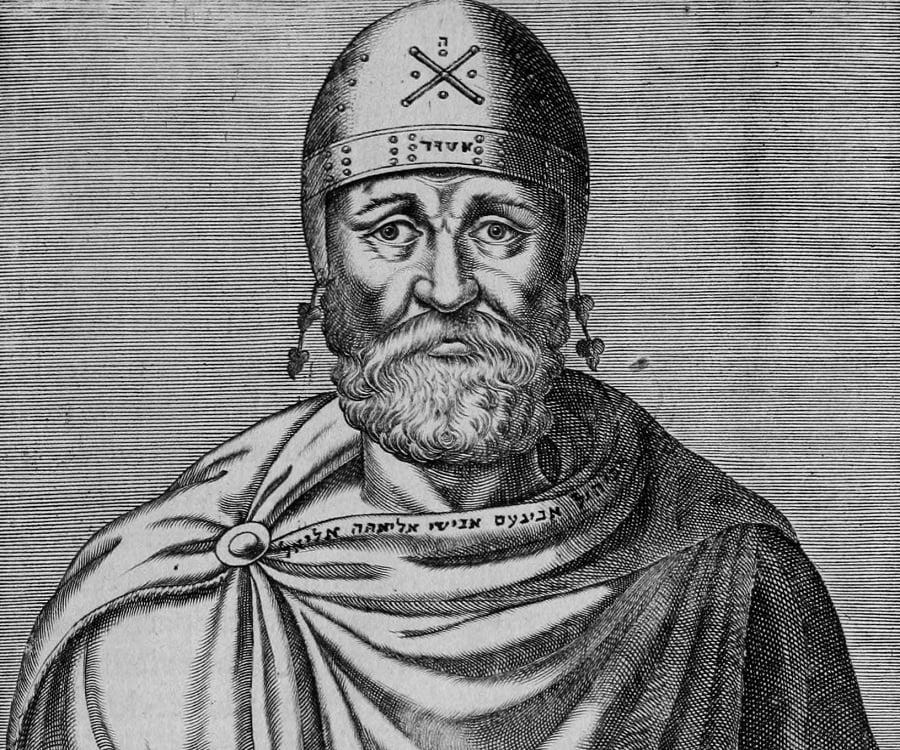
23. Philo of Alexandria
(c. 20 BCE–50 CE)
Philo of Alexandria (c. 20 BCE – 50 CE), also known as Philo Judaeus, was a Hellenistic Jewish philosopher who lived in Alexandria, Egypt.
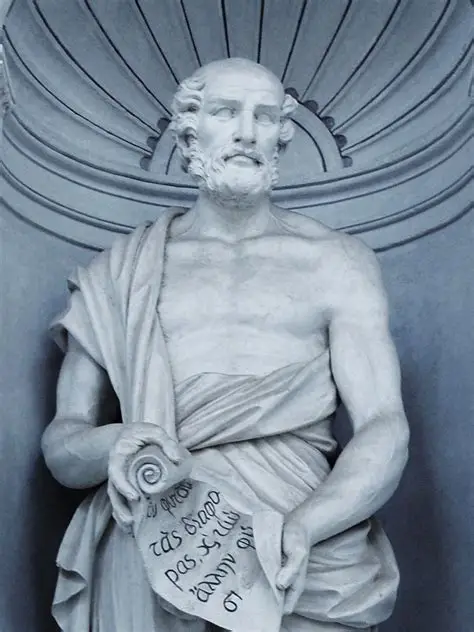
24. Theophrastus
(c. 371–c. 287 BCE)
Theophrastus (c. 371 BCE – c. 287 BCE) was a Greek philosopher and scientist, best known as the successor of Aristotle and as the “Father of Botany.”

All rights reserved by the Mathematical Unity
Contact: +8801400044645
Email: mathematicalhorse1453@gmail.com
Our Discord Server: Mathematical Unity [Ulus Riyadiyat]