Welcome to the Mathematical World!
Indian Mathematicians
This section celebrates the brilliant mathematicians of India across the ages — from ancient scholars who laid the foundations of arithmetic, algebra, and combinatorics, to modern visionaries whose insights continue to influence mathematics and science globally. Their contributions span number theory, trigonometry, geometry, and statistics, highlighting a legacy of rigorous thought, innovation, and intellectual curiosity that has shaped both classical and contemporary mathematics.
1. Pingala
(c. 3rd–2nd century BCE)
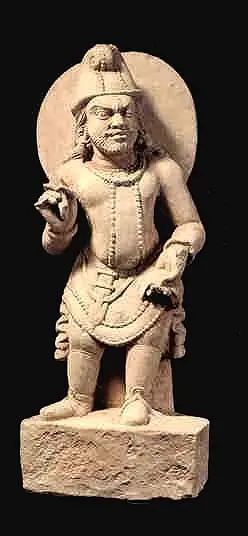
Pingala is one of the earliest Indian scholars to apply mathematics in the study of language. He lived around the 3rd–2nd century BCE (though some traditions place him slightly earlier) and authored the Chandaḥśāstra, a Sanskrit treatise on prosody (poetic meters).
2. Aryabhata I
(476–550)
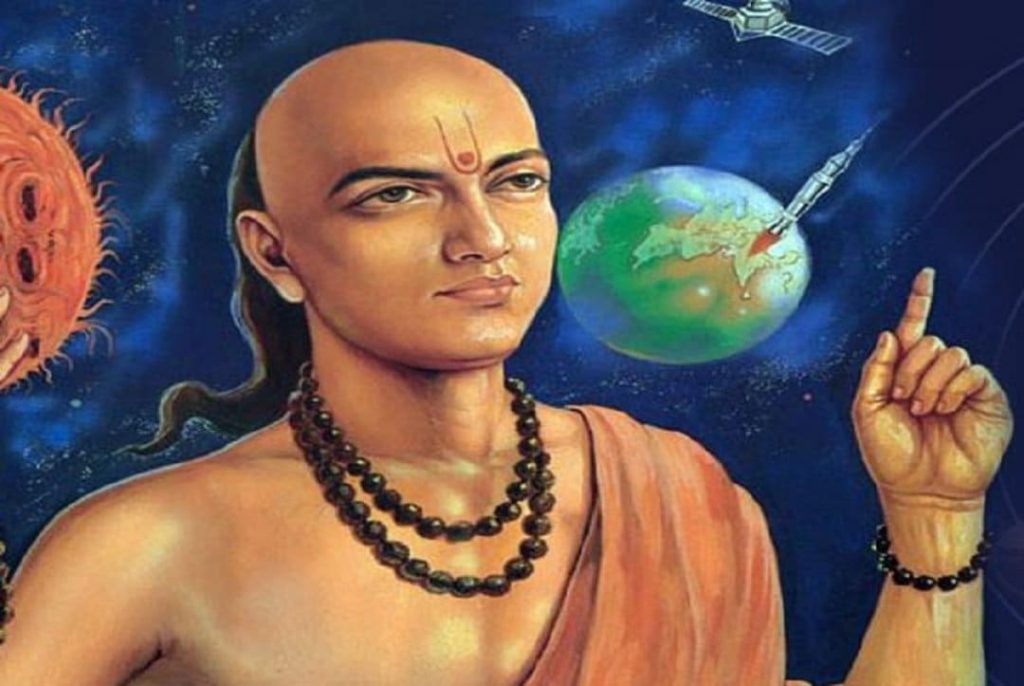
Aryabhata was a pioneering Indian mathematician and astronomer born in 476 CE, traditionally believed to be from Kusumapura (modern Patna, Bihar, India).

3. Varāhamihira
(505–587)
Varāhamihira was born around 505 CE in Ujjain, a renowned scholarly center in central India. He belonged to a Brahmin family and showed early brilliance in astronomy and astrology.
4. Brahmagupta
(598–c. 668)
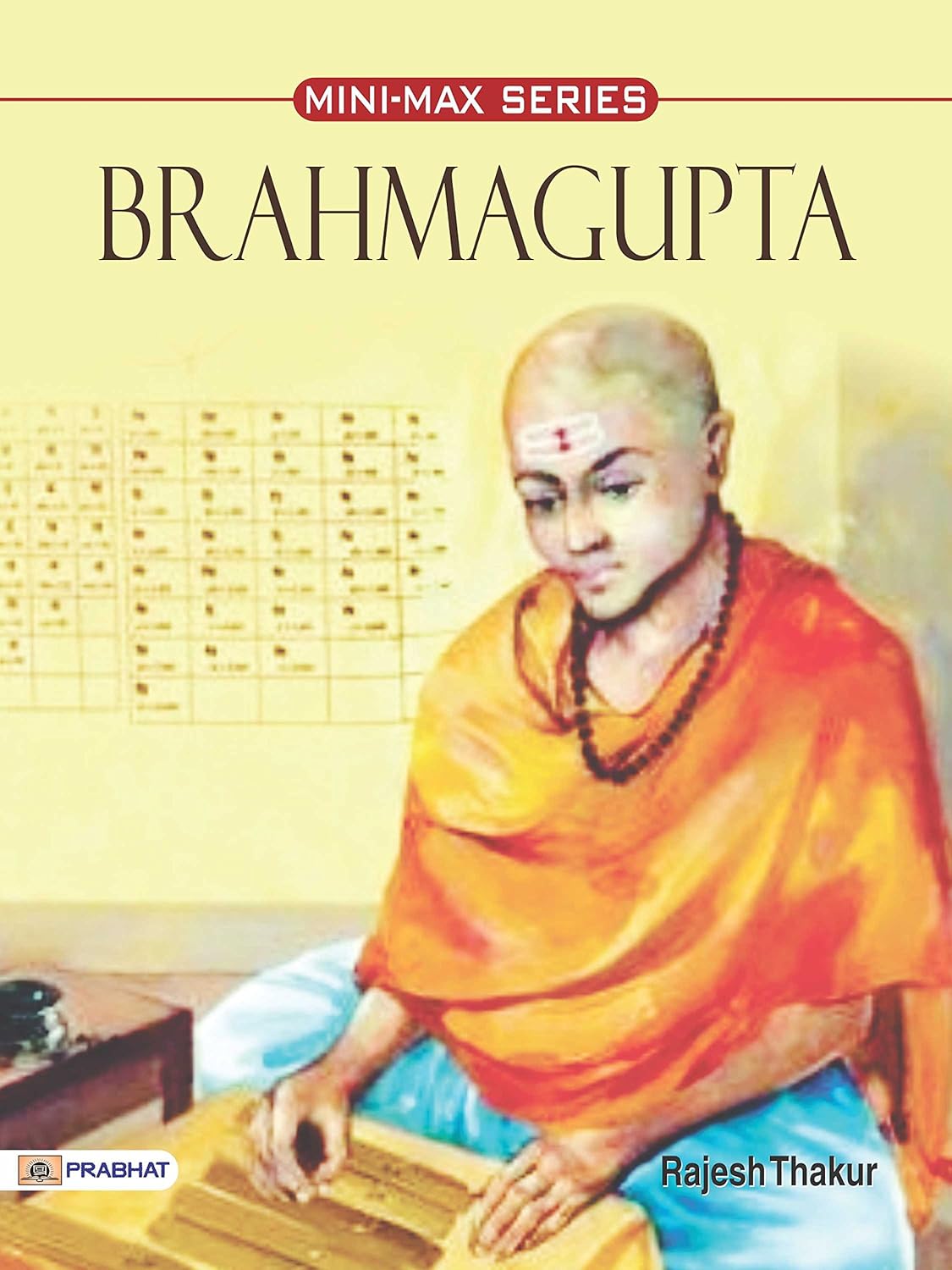
Brahmagupta, born in 598 CE at Bhillamāla (modern Bhinmal in Rajasthan, India), was an eminent Indian mathematician and astronomer.
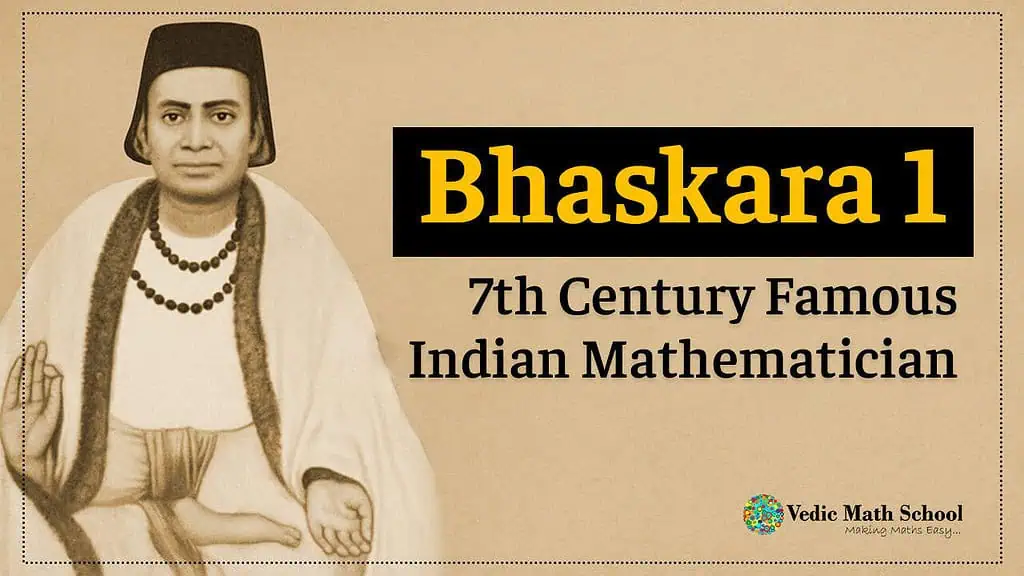
5. Bhāskara I
(c. 600–c. 680)
Bhaskara I was one of the earliest Indian mathematicians to give a systematic exposition of Aryabhata’s work.
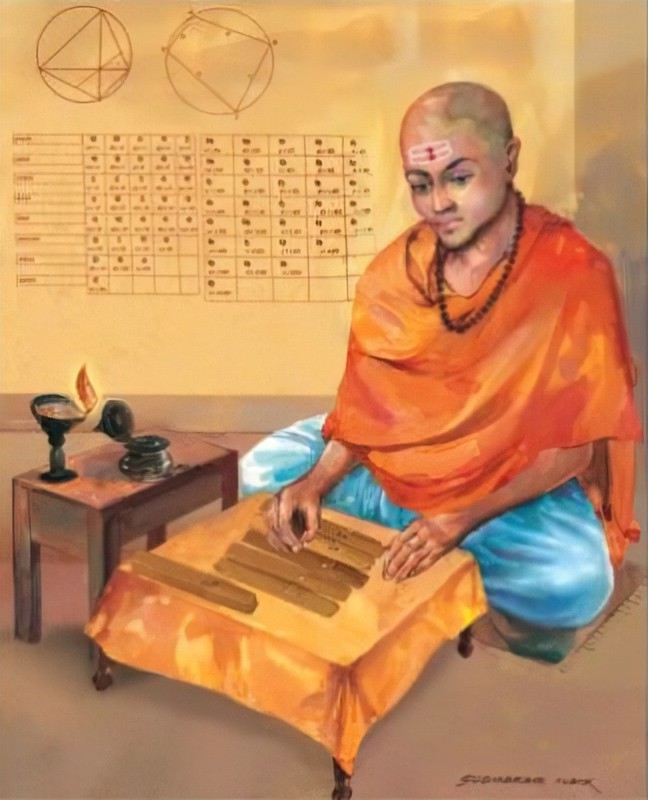
6. Mahāvīra
(fl. c. 850)
Mahāvīra, also known as Mahāvīrācārya, was a prominent mathematician of 9th-century India, likely active in Karnataka under the patronage of the Rashtrakuta dynasty during King Amoghavarsha’s reign (814–878 CE).
7. Śrīpati
(c. 1019–c. 1066)
Śrīpati was a medieval Indian mathematician and astronomer, born in the early 11th century, likely in the southern region of Maharashtra or Karnataka.
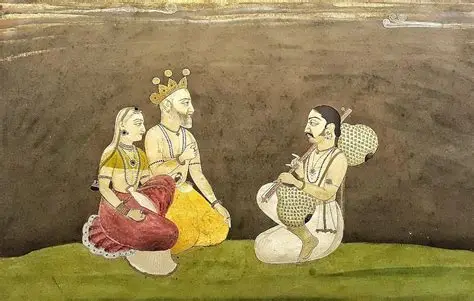
8. Jayadeva
(fl. 11th–12th century)
Jayadeva lived around the 11th–12th century CE and is remembered as a mathematician who expanded upon the combinatorial and prosodic work of earlier scholars such as Pingala (c. 3rd–2nd century BCE).
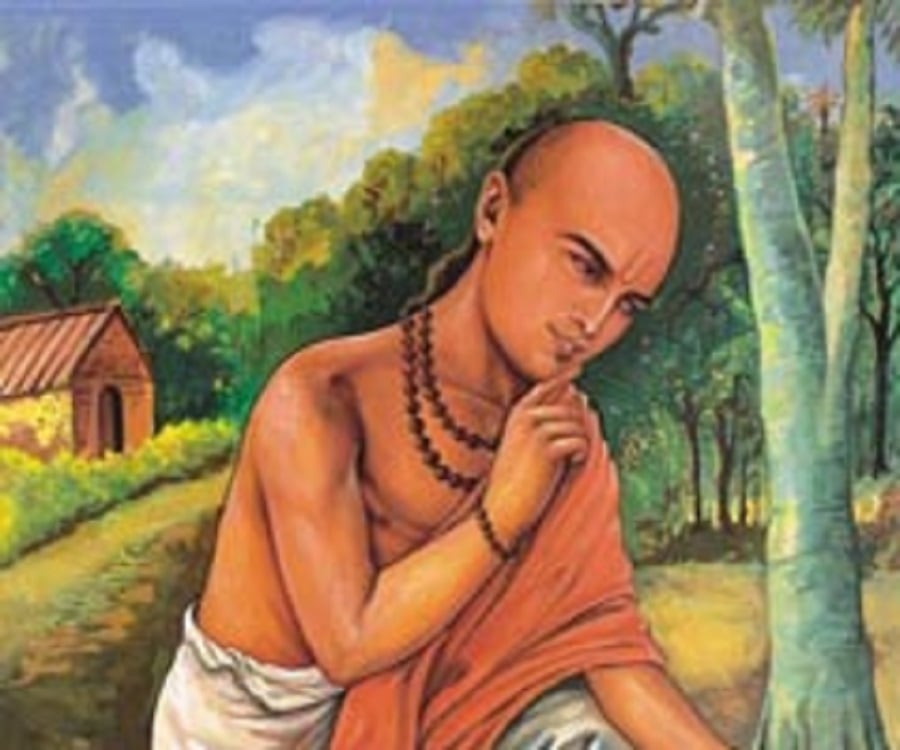
9. Bhāskara II
(1114–c. 1185)
haskara II, also called Bhaskaracharya, was one of India’s greatest medieval mathematicians and astronomers.
10. Mādhava of Sangamagrama
(c. 1340–c. 1425)
Mādhava of Sangamagrama (c. 1340 – c. 1425 CE) was a pioneering mathematician and astronomer from Kerala, India.
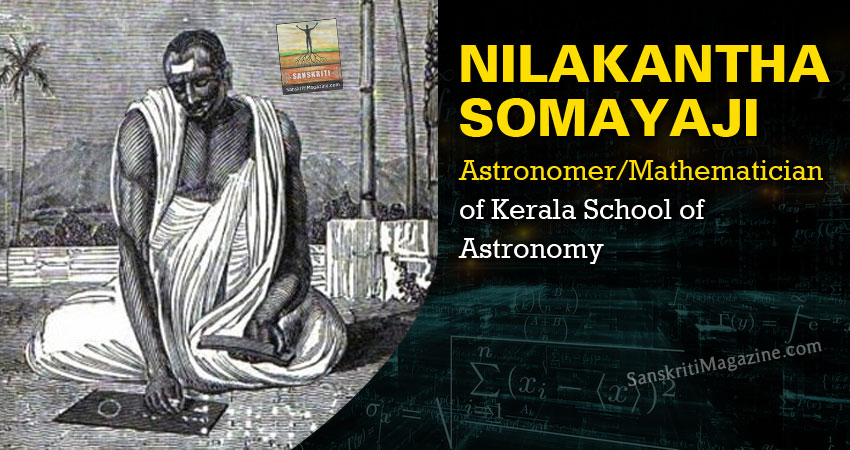
11. Nīlakaṇṭha Somayāji
(1444–1544)
Nilakantha Somayaji (1444 – 1544 CE) was a distinguished figure in Indian mathematics and astronomy, renowned for advancing the legacy of Mādhava and shaping the intellectual foundations of the Kerala School of Mathematics and Astronomy.
12. Jyeṣṭhadeva
(c. 1500–c. 1575)
Jyesthadeva was a seminal figure of the Kerala School of Mathematics and Astronomy, renowned for authoring Yuktibhāṣā, the first known text in the world to present calculus in a logically rigorous form.
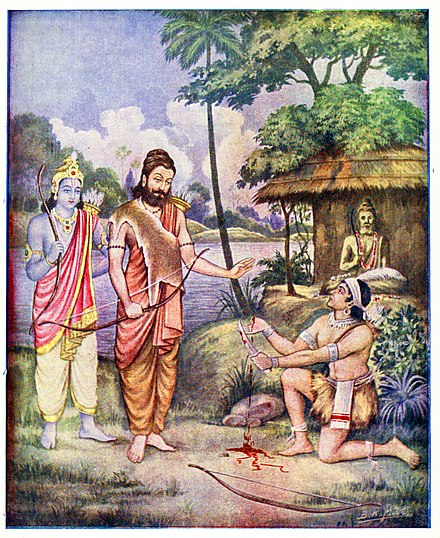
13. Achyuta Pisharati
(1550–1621)
Achyuta Pisharati (c. 1550 – c. 1621 CE) was a prominent figure of the Kerala School of Mathematics and Astronomy.
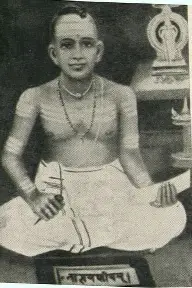
14. Melpathur Nārāyaṇa Bhattathiri
(1560–1646)
Melpathur Narayana Bhattathiri (1560 – 1646 CE) was a brilliant Sanskrit scholar, mathematician, and philosopher of the Kerala School of Astronomy and Mathematics.
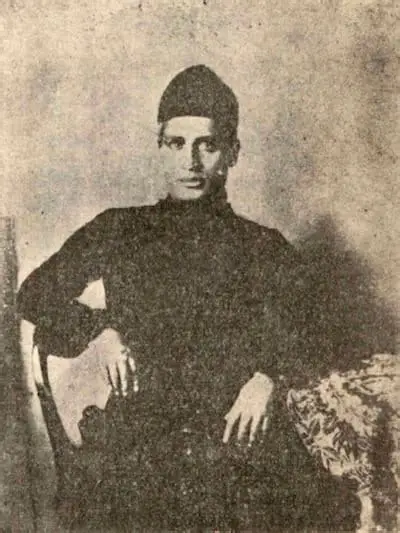
15. Radhanath Sikdar
(1813–1870)
Radhanath Sikdar was an Indian mathematician and surveyor born in Jorasanko, Calcutta on 5 October 1813. He studied at Hindu College (now Presidency University), where his talent in mathematics was nurtured by John Tytler.
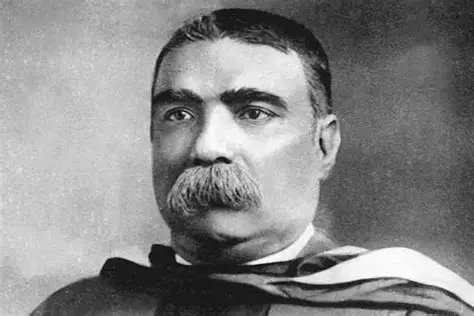
16. Ashutosh Mukherjee
(1864–1924)
Sir Ashutosh Mukherjee (1864 – 1924), widely known as the “Tiger of Bengal,” was a polymath, mathematician, jurist, and visionary educationist.
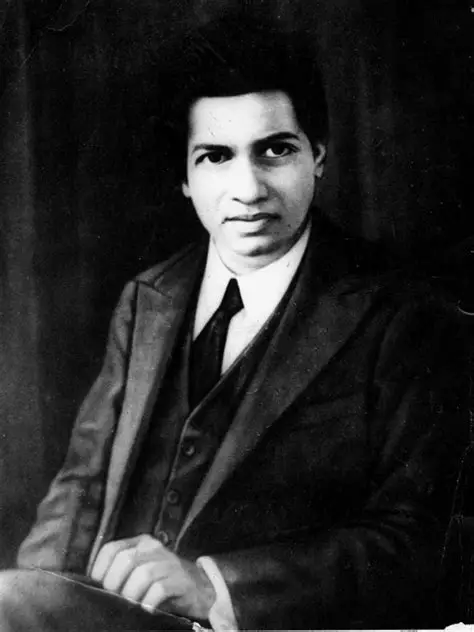
17. Srinivasa Ramanujan
(1887–1920)
Srinivasa Ramanujan (1887 – 1920) was born on December 22, 1887, in Erode, a small town in Tamil Nadu, India.
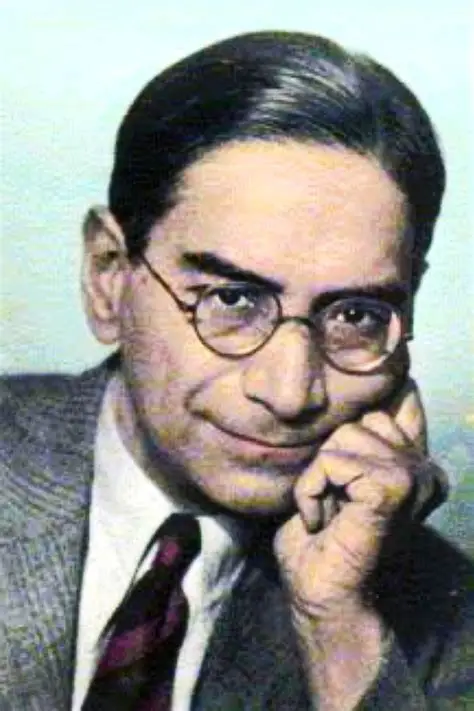
18. P. C. Mahalanobis
(1893–1972)
Prasanta Chandra Mahalanobis (1893 – 1972) was born on June 29, 1893, in Calcutta (now Kolkata), India, into an intellectual and progressive Bengali family.
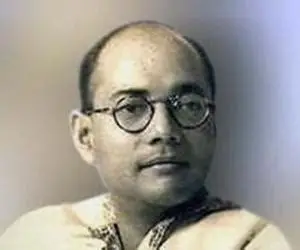
19. Raj Chandra Bose
(1901–1987)
Raj Chandra Bose (1901 – 1987) was a distinguished Indian mathematician whose work bridged pure and applied mathematics.
20. T. Vijayaraghavan
(1902–1955)
Tirukkannapuram Vijayaraghavan (1902 – 1955) was a prominent Indian mathematician known for his contributions to analysis and number theory.
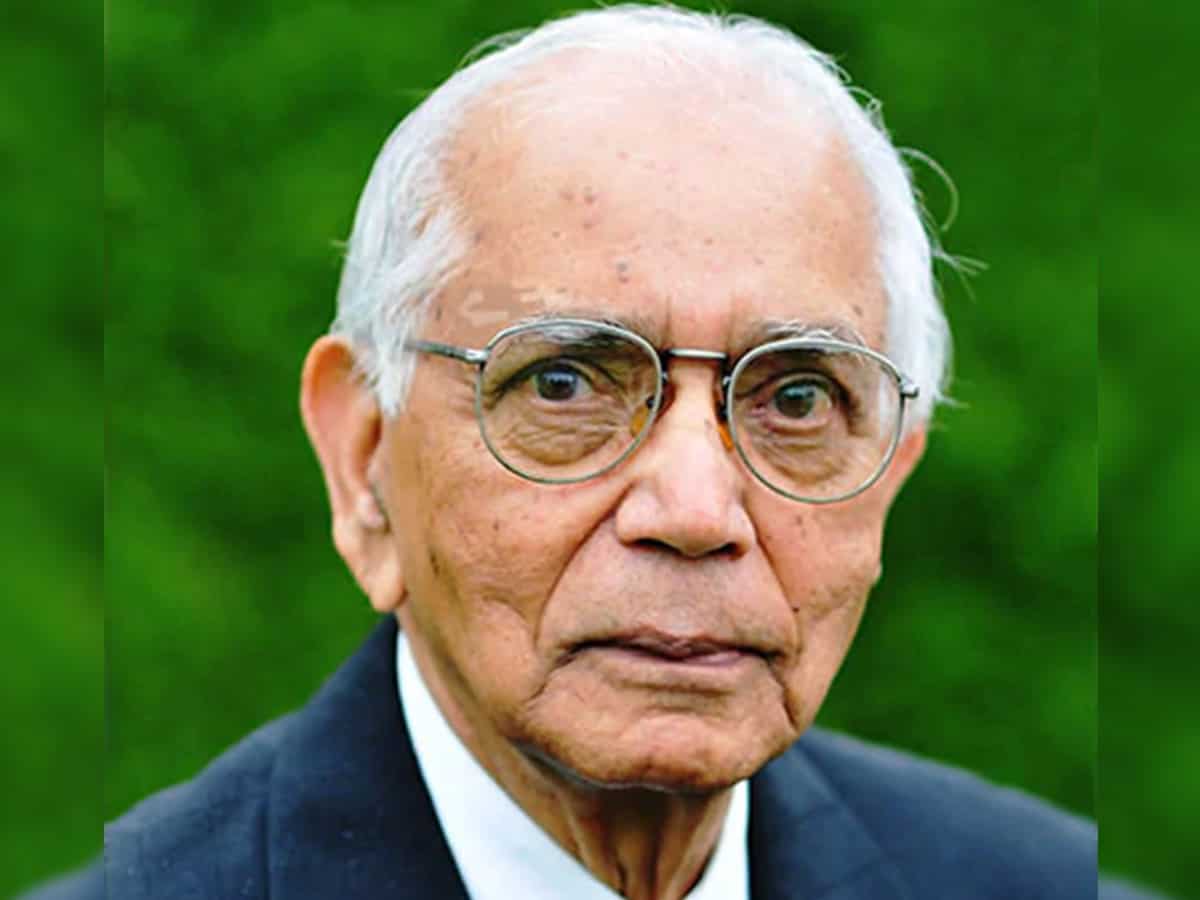
21. C. R. Rao
(1920–2023)
Calyampudi Radhakrishna Rao (September 10, 1920 – August 22, 2023), widely known as C. R. Rao, was one of the most influential statisticians of the 20th and 21st centuries.
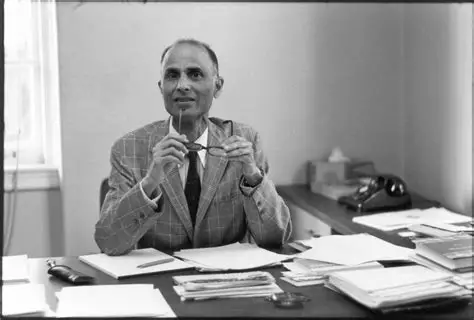
22. Harish-Chandra
(1923–1983)
Harish-Chandra was born on October 11, 1923, in Kanpur, India. He showed an early aptitude for mathematics and physics, earning a Bachelor’s degree in Physics from Allahabad University in 1940.
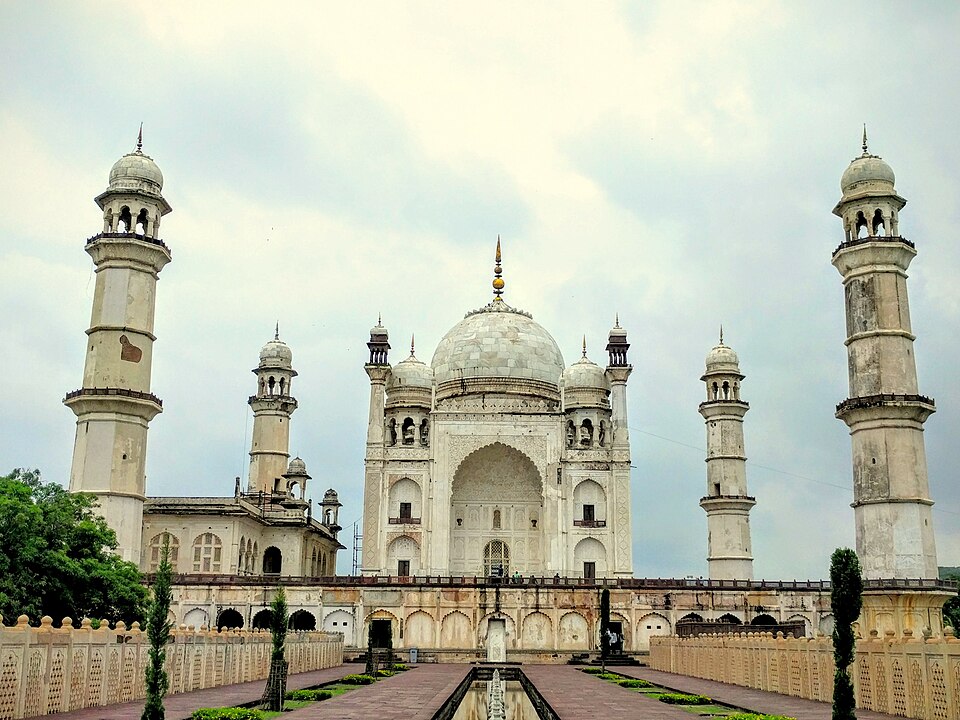
23. Ataullah Rashidi
(17th century)
Ataullah Rashidi was a Mughal-era mathematician, translator, and architect, known for bridging Arabic, Sanskrit, and Persian mathematical traditions.
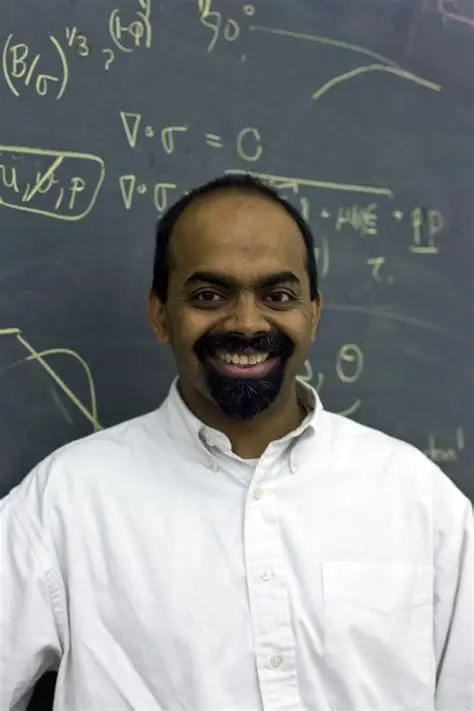
24. Mahadevan
(1967– )
Lakshminarayanan Mahadevan, commonly known as L. Mahadevan, was born in India in 1967. He completed his undergraduate studies at the Indian Institute of Technology (IIT), Madras.

All rights reserved by the Mathematical Unity
Contact: +8801400044645
Email: mathematicalhorse1453@gmail.com
Our Discord Server: Mathematical Unity [Ulus Riyadiyat]