Welcome to the Mathematical World!
Russian Mathematicians
Russia fostered a powerful intellectual tradition that shaped modern mathematics, physics, and applied sciences through depth, abstraction, and rigor. From nineteenth-century pioneers who redefined geometry, analysis, and probability to twentieth-century thinkers who advanced topology, dynamical systems, and mathematical physics, Russian scholars pursued structure beneath complexity. Their work bridged pure theory and real-world application, influencing space science, statistical mechanics, and modern analysis while leaving a lasting imprint on global scientific thought.
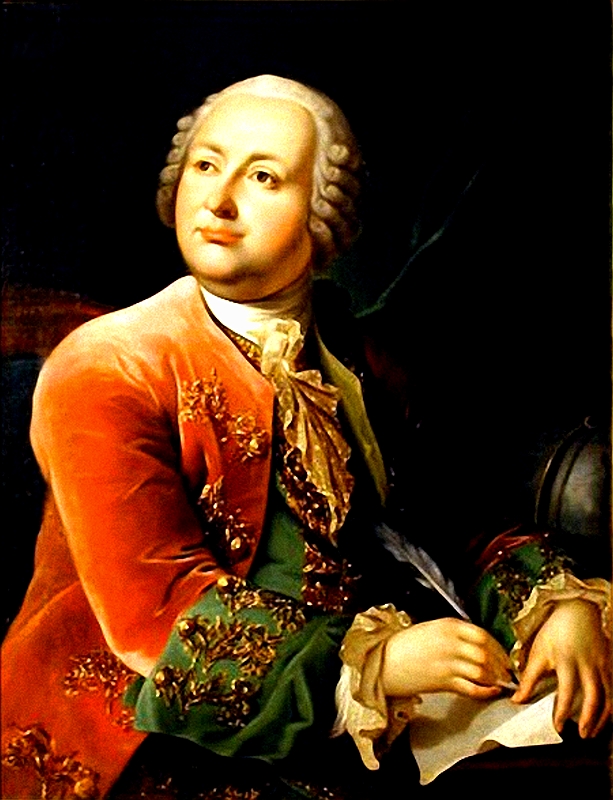
1. Lomonosov
(1711–1765)
Mikhail Vasilyevich Lomonosov (1711–1765) is often celebrated as the founder of modern Russian science.
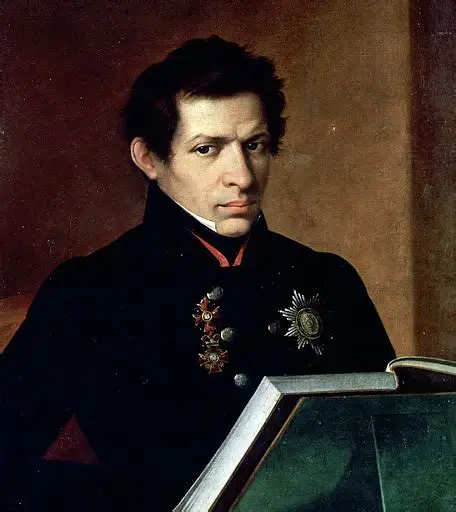
2. Lobachevsky
(1792–1856)
Nikolai Ivanovich Lobachevsky (1792–1856) is revered as one of the founders of non-Euclidean geometry.
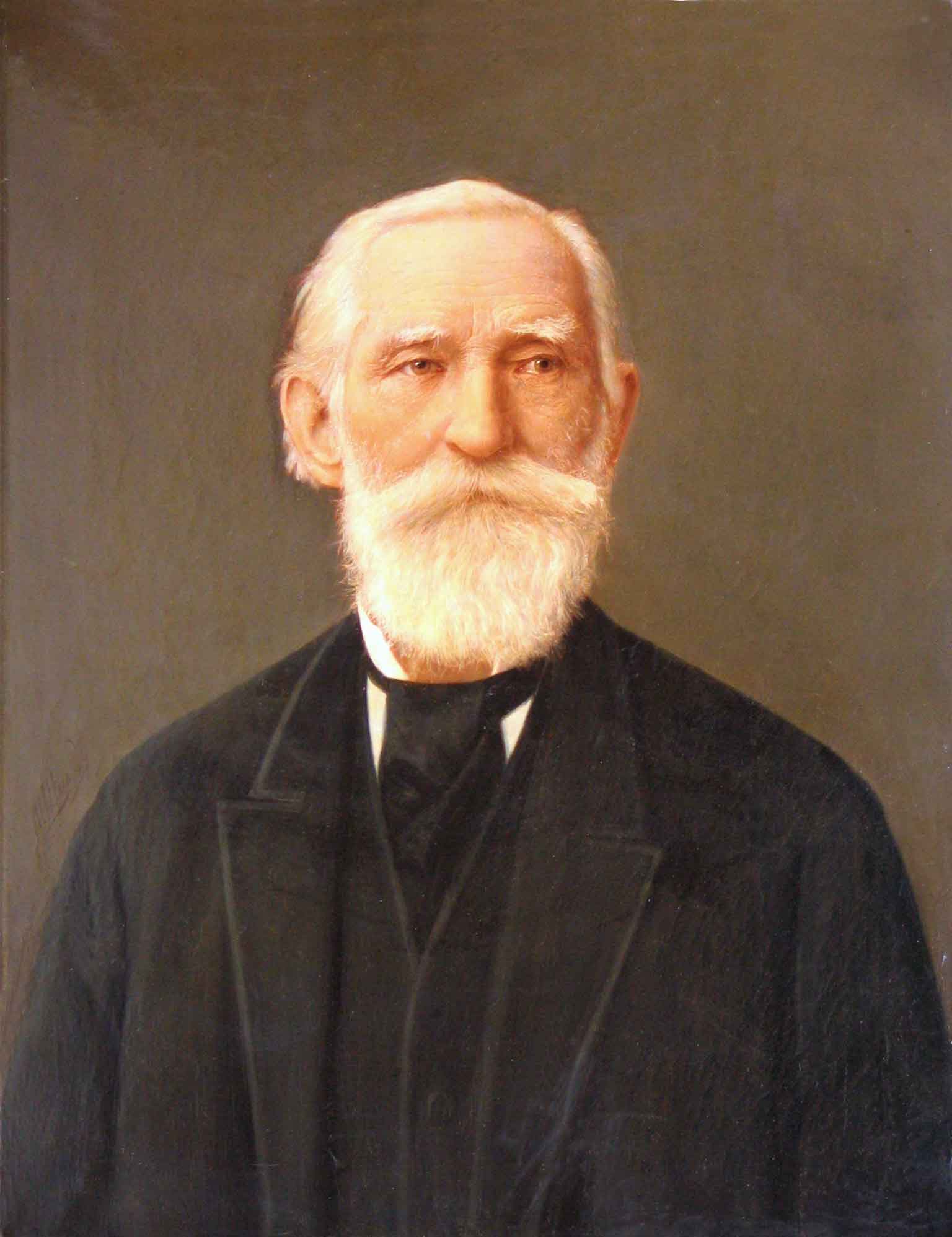
3. Chebyshev
(1821–1894)
Pafnuty Lvovich Chebyshev (1821–1894) was a towering figure of Russian mathematics, often called the “father of Russian pure mathematics.”
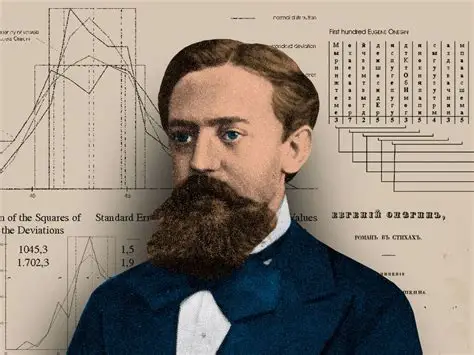
4. Andrey Markov
(1856–1922)
ndrey Andreyevich Markov (1856–1922) revolutionized probability theory by introducing Markov chains, describing processes where the next state depends only on the present state.
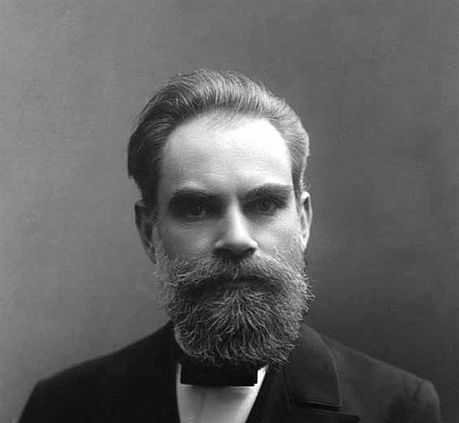
5. Lyapunov
(1857–1918)
Aleksandr Mikhailovich Lyapunov (1857–1918) made profound contributions to applied mathematics, mechanics, and probability.
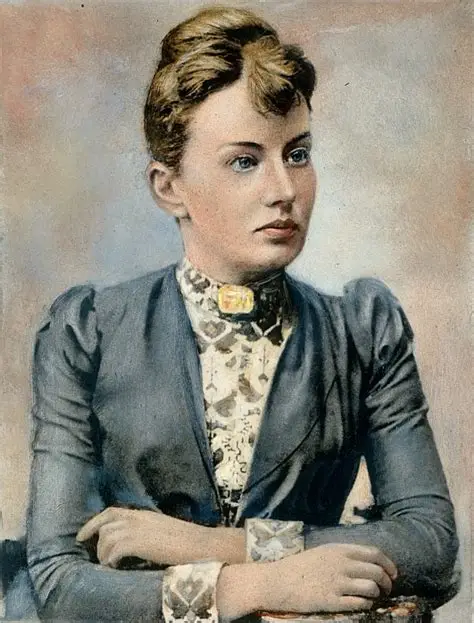
6. Kovalevskaya
(1850–1891)
Sofia Vasilyevna Kovalevskaya (1850–1891) was the first major female mathematician in Russia and Europe.
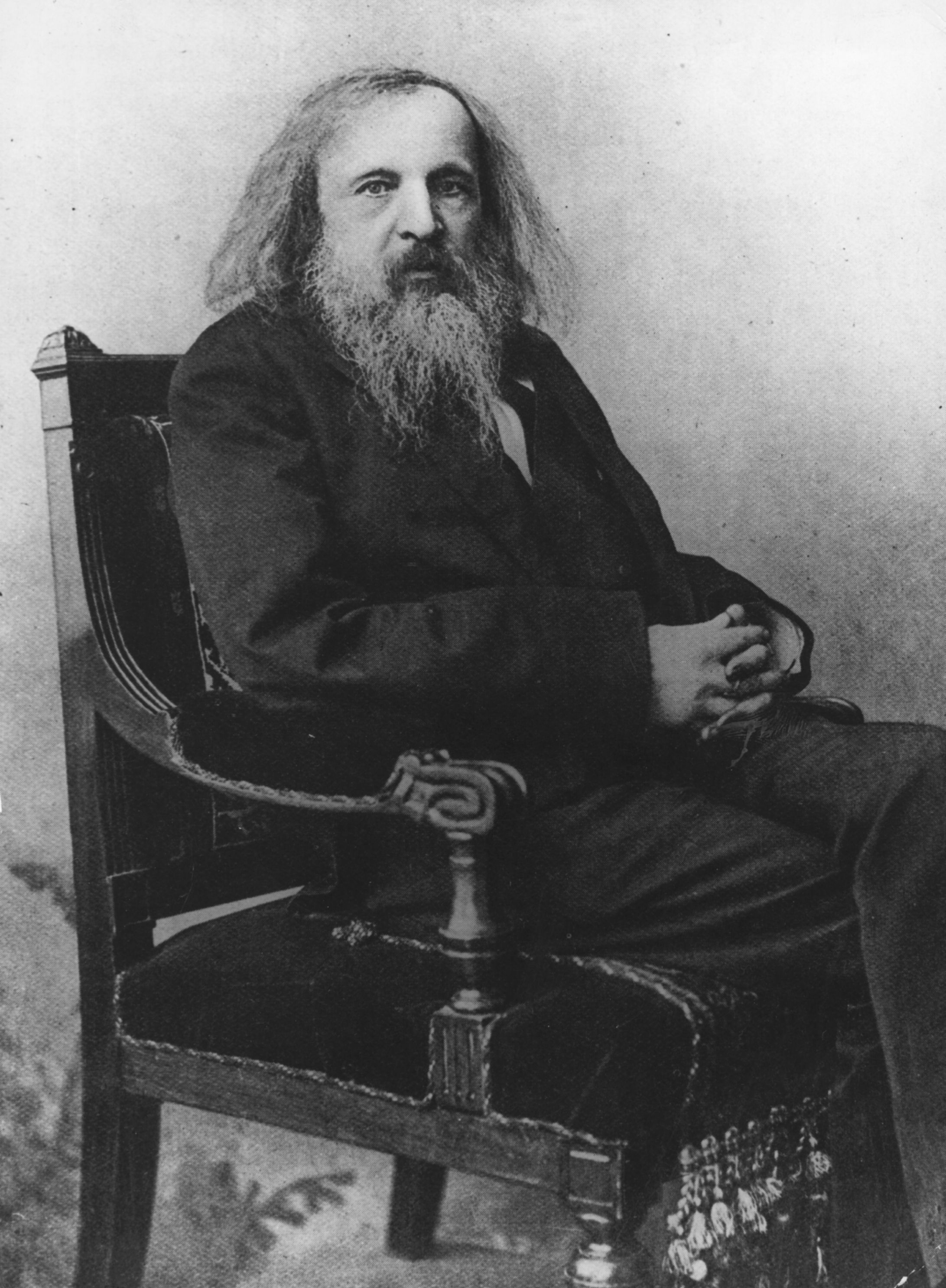
7. Mendeleev
(1834–1907)
Dmitri Ivanovich Mendeleev (1834–1907) revolutionized chemistry by formulating the Periodic Table of Elements.
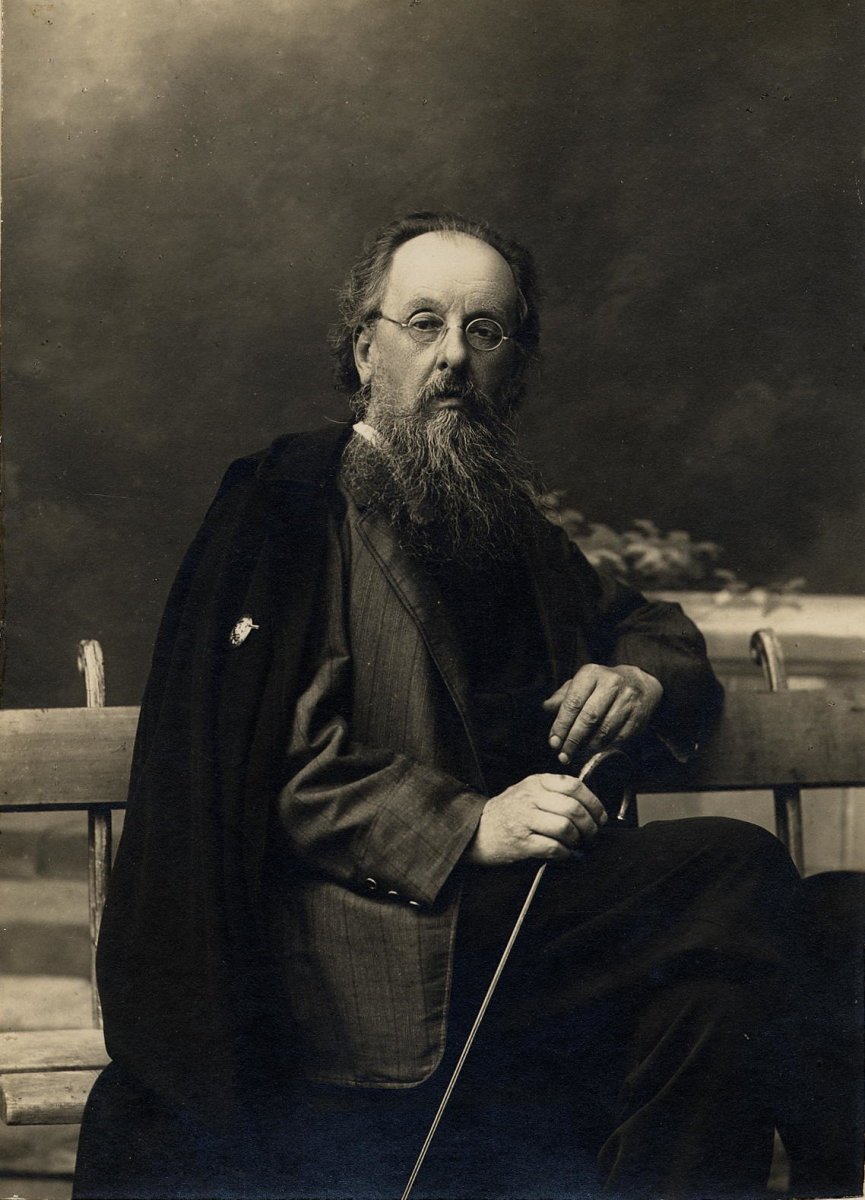
8. Tsiolkovsky
(1857–1935)
Konstantin Eduardovich Tsiolkovsky (1857–1935) was a Russian scientist who developed the mathematical foundations of astronautics and rocket propulsion.
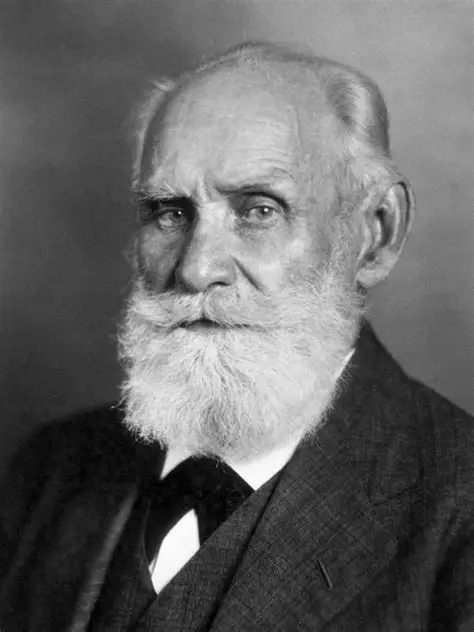
9. Ivan Pavlov
(1849–1936)
Ivan Petrovich Pavlov (1849–1936) was a Nobel Prize-winning physiologist best known for discovering conditioned reflexes.
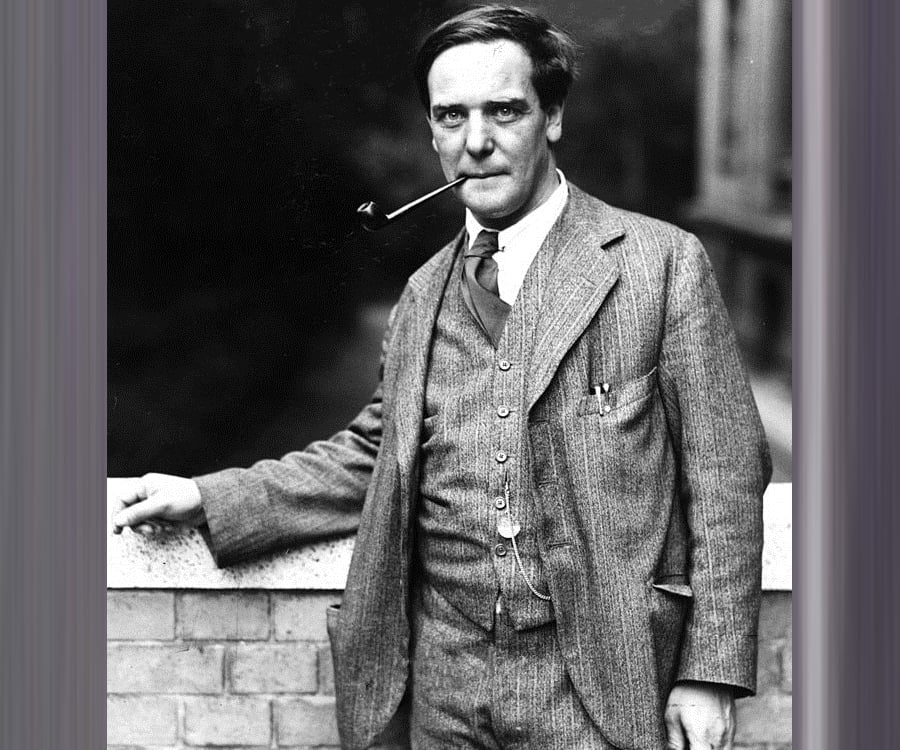
10. Pyotr Kapitsa
(1894–1984)
Pyotr Leonidovich Kapitsa was a Soviet physicist whose work in low-temperature physics unlocked phenomena like superfluidity.
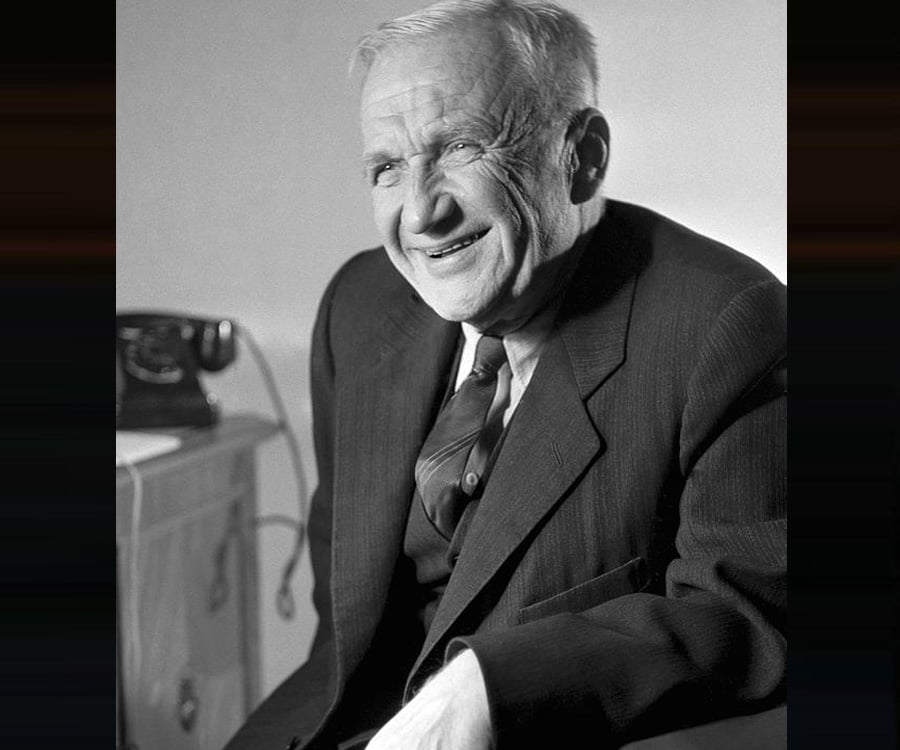
11. Igor Tamm
(1895–1971)
Igor Yevgenyevich Tamm (1895–1971) was a Nobel Prize-winning Soviet physicist. He co-developed the explanation of the Cherenkov effect and contributed to nuclear fusion theory.
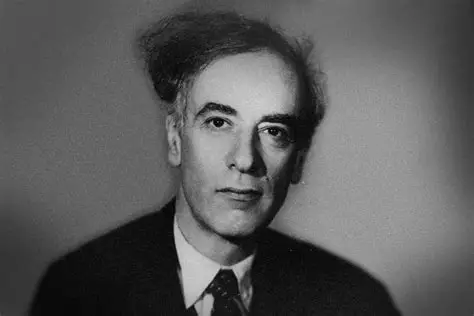
12. Lev Landau
(1908–1968)
Lev Davidovich Landau was a brilliant Soviet physicist whose profound insights reshaped theoretical physics.
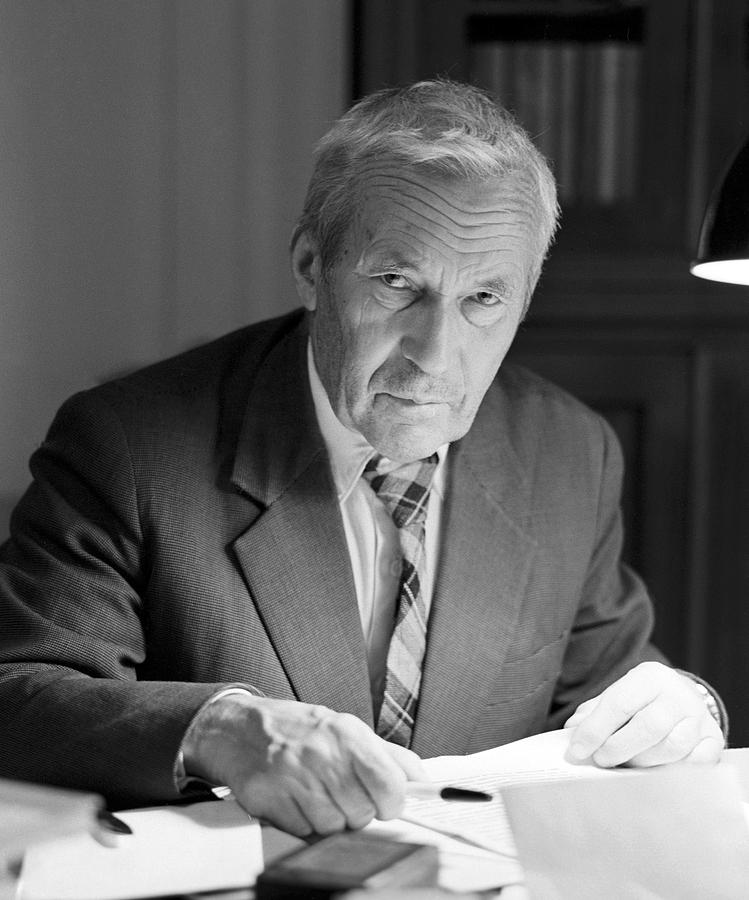
13. Kolmogorov
(1903–1987)
Andrey Nikolaevich Kolmogorov was a towering figure in 20th-century mathematics, renowned for founding the modern axiomatic theory of probability and advancing the study of dynamical systems and turbulence.
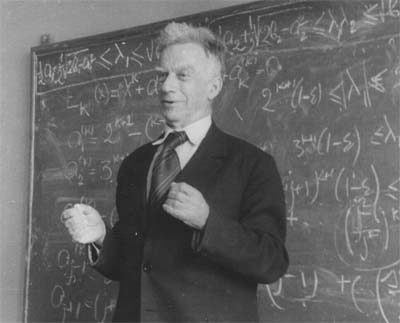
14. Sergei Sobolev
(1908–1989)
Sergei Lvovich Sobolev (1908–1989) was one of the greatest analysts of the 20th century.
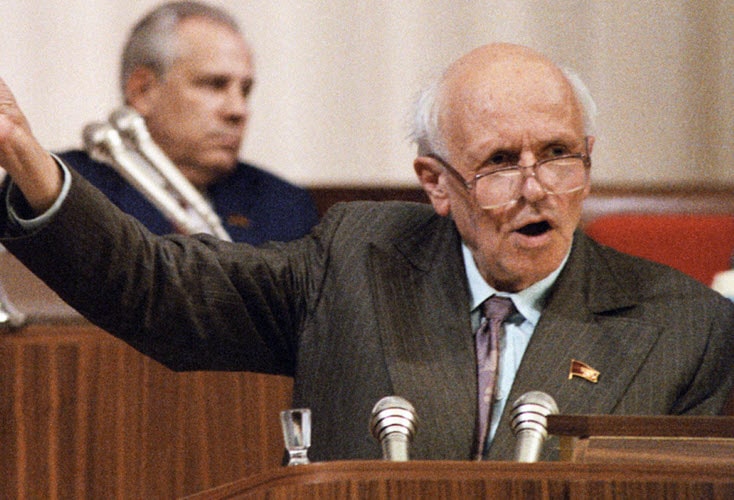
15. Andrei Sakharov
(1921–1989)
Andrei Dmitrievich Sakharov (1921–1989) was both a brilliant physicist and a moral voice for human rights.
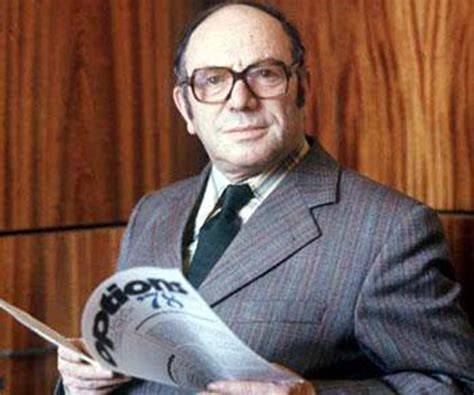
16. Kantorovich
(1912–1986)
Ludwig Borisovich Kantorovich, a Soviet mathematician and economist, pioneered linear programming and optimization.
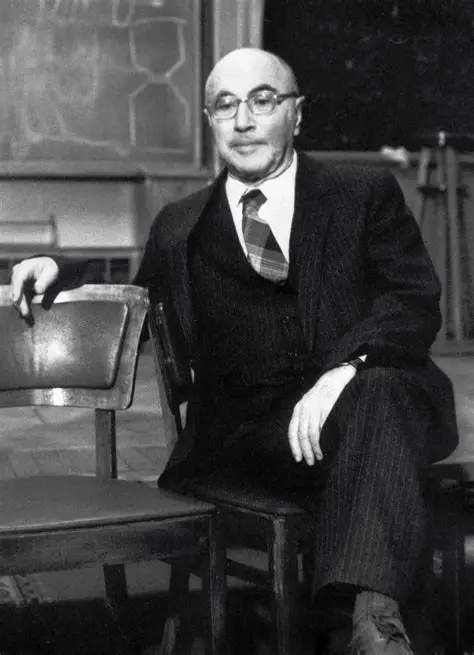
17. Zeldovich
(1914–1987)
Yakov Borisovich Zeldovich was a prolific Soviet scientist whose work spanned nuclear physics, astrophysics, and cosmology.
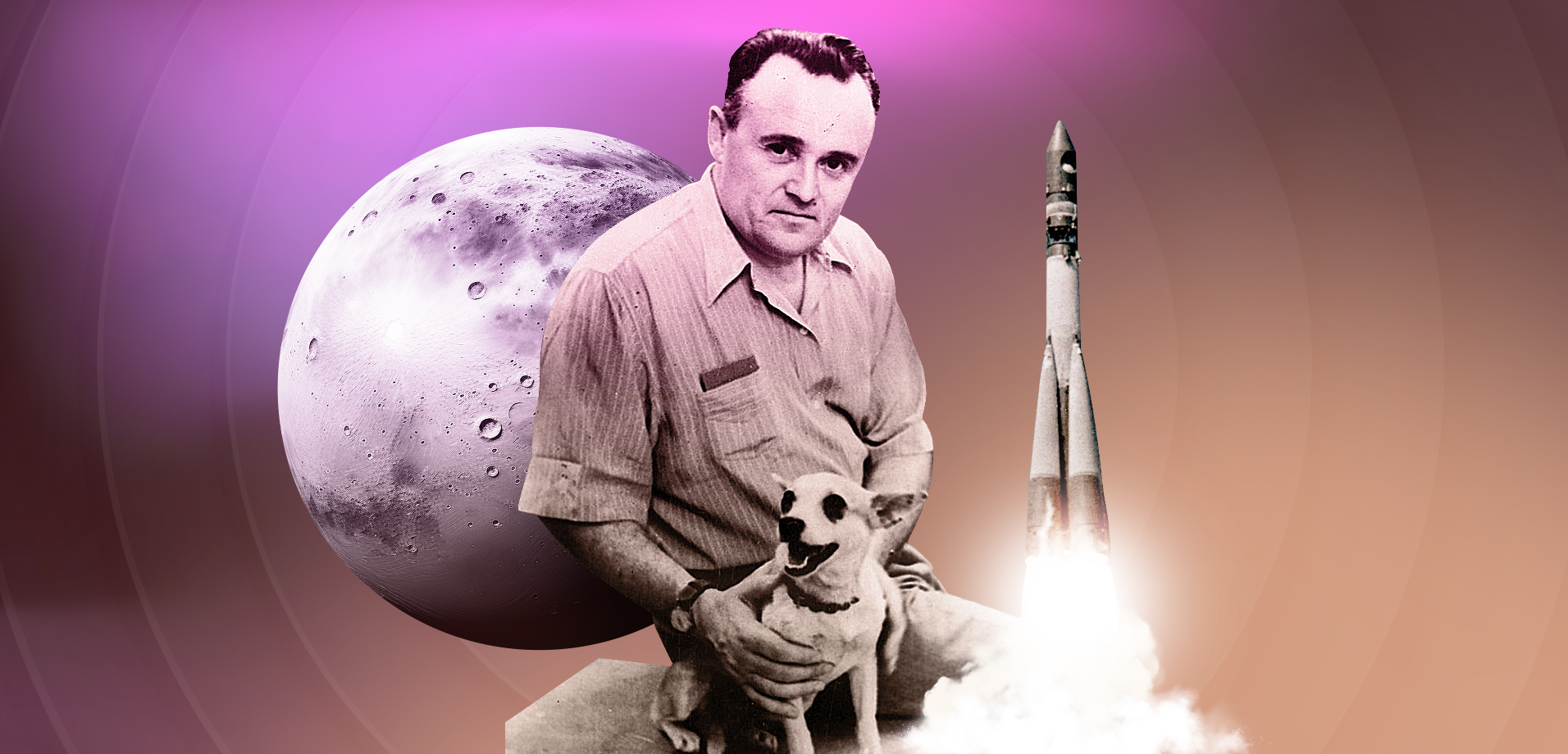
18. Sergey Korolev
(1907–1966)
Sergey Pavlovich Korolev (1907–1966) was a Soviet rocket engineer and spacecraft designer, often called the father of practical astronautics.
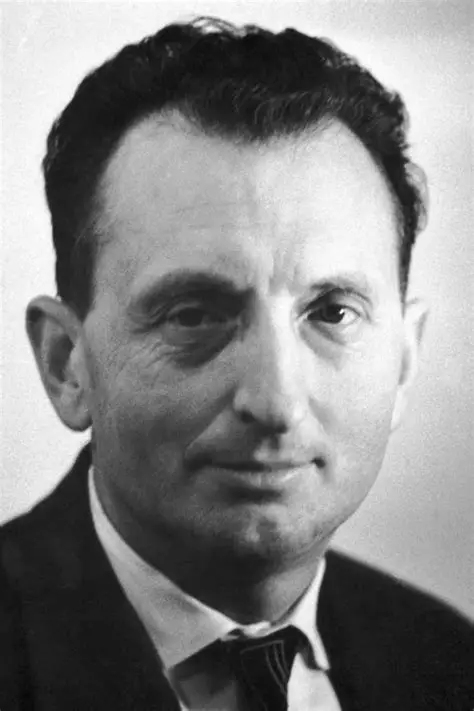
19. Prokhorov
(1916–2002)
Alexander Mikhailovich Prokhorov was a Soviet physicist who co-invented the maser and significantly advanced the development of the laser.
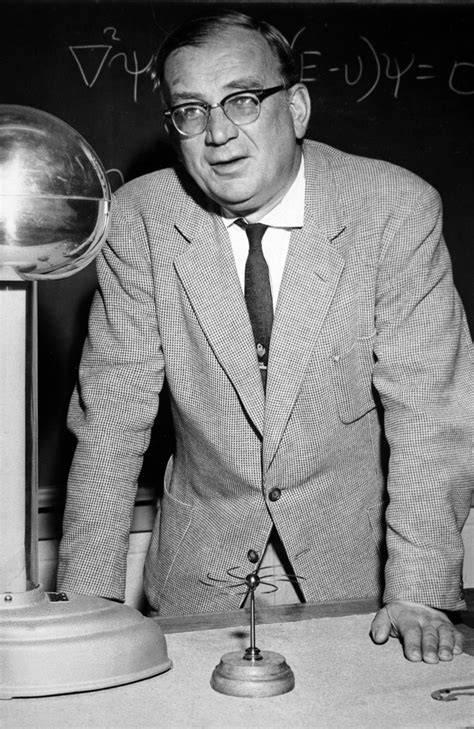
20. George Gamow
(1904–1968)
George (Georgy) Gamow was a Soviet–American theoretical physicist and cosmologist who shaped our understanding of the early universe.
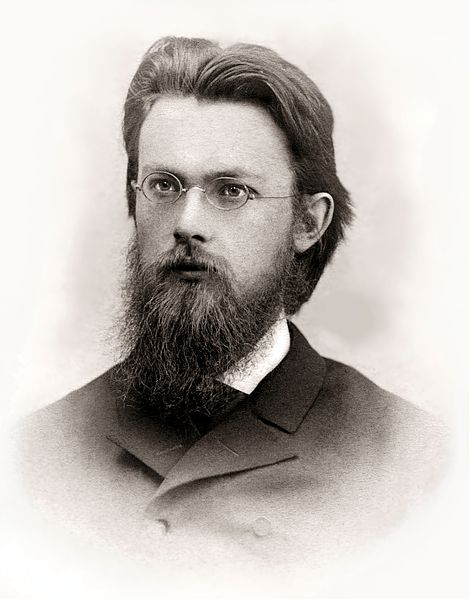
21. Vernadsky
(1863–1945)
Vladimir Ivanovich Vernadsky was a Russian and Soviet scientist whose pioneering work established geochemistry, biogeochemistry, and the concept of the noosphere.
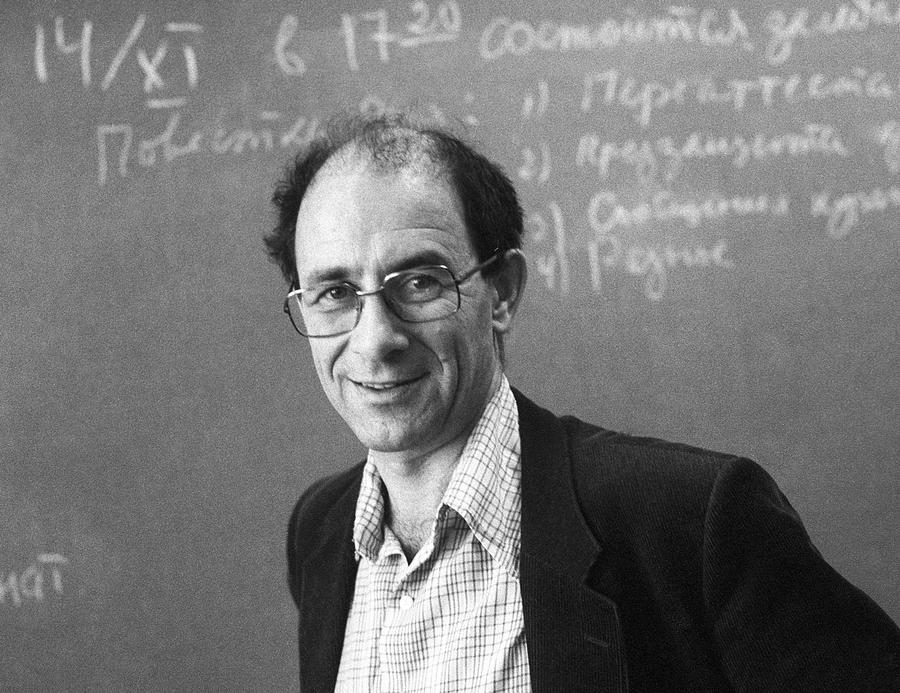
22. Vladimir Arnold
(1937–2010)
Vladimir Igorevich Arnold was a brilliant Russian mathematician known for his groundbreaking contributions to dynamical systems, topology, singularity theory, and catastrophe theory.
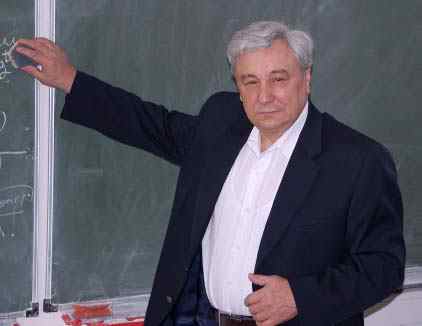
23. Sergei Novikov
(1938–)
Sergei Petrovich Novikov is a Russian mathematician celebrated for his revolutionary work in topology, algebraic geometry, and mathematical physics.
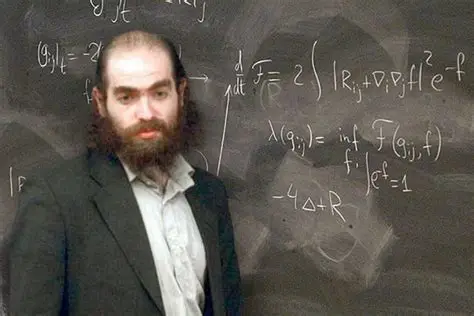
24. Grigory Perelman
(1966–)
Grigory Perelman is a Russian mathematician who solved one of the most profound and long-standing problems in mathematics—the Poincaré conjecture—via Perelman’s proof using Ricci flow with surgery.

All rights reserved by the Mathematical Unity
Contact: +8801400044645
Email: mathematicalhorse1453@gmail.com
Our Discord Server: Mathematical Unity [Ulus Riyadiyat]