Welcome to the Mathematical World!
Muslim Mathematicians & Scientists
The Islamic Golden Age produced scholars whose pursuit of knowledge transformed mathematics, astronomy, and the sciences through rigorous reasoning and innovation. Building upon Greek, Persian, and Indian traditions, they developed algebra, refined trigonometry, advanced geometry, and perfected astronomical observation. Figures such as al-Khwarizmi and Ibn al-Haytham combined theory with experiment, creating systematic methods and instruments that influenced Europe, Asia, and Africa, laying enduring foundations for modern mathematics, engineering, and scientific inquiry.
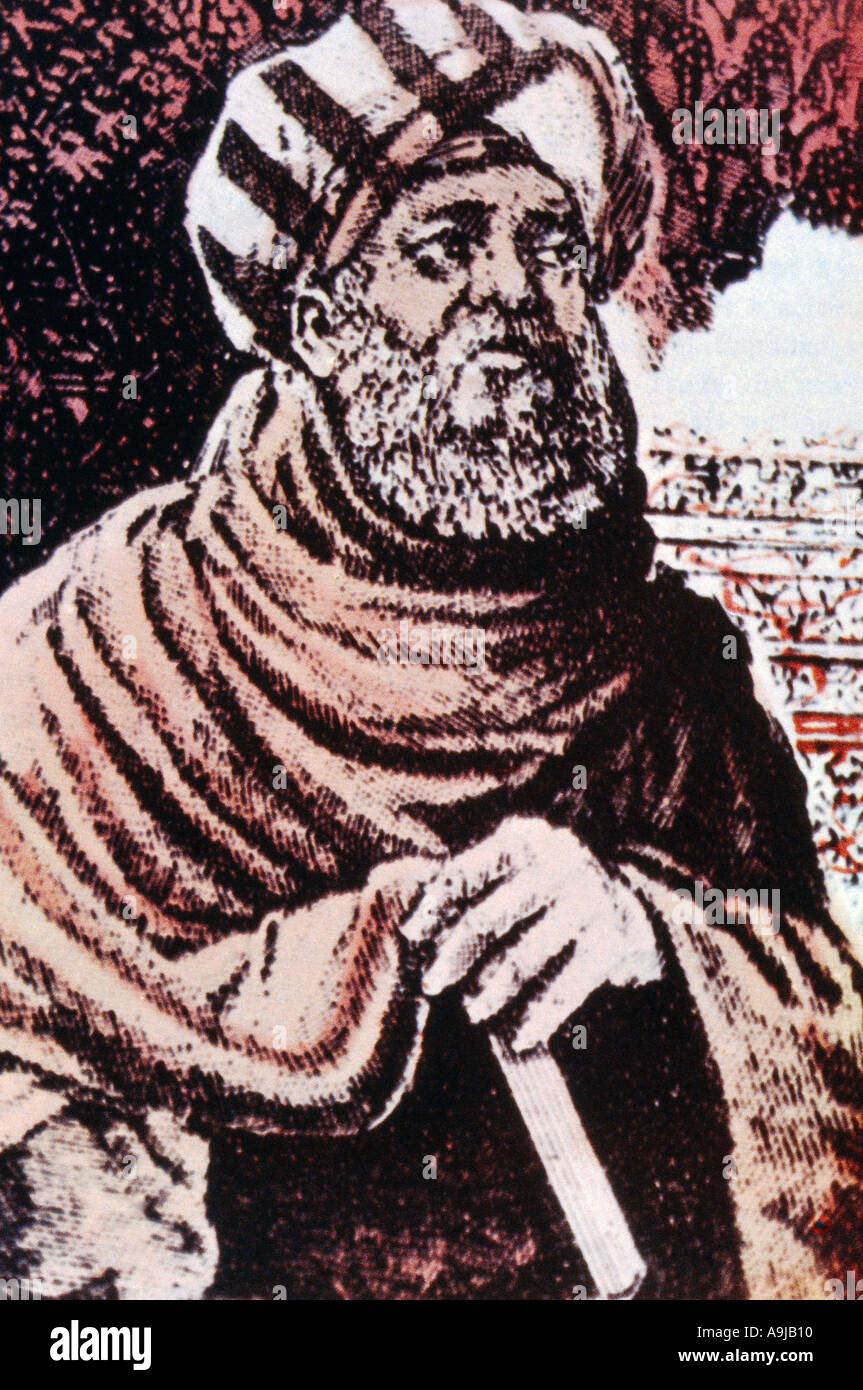
1. Thabit ibn al-Qurrah
(c. 826–901)
Thābit ibn Qurrah (c. 826/836 – 19 February 901 CE) was an Arab Sabian scholar from Ḥarrān, active in Baghdad during the mid-Abbāsid era.
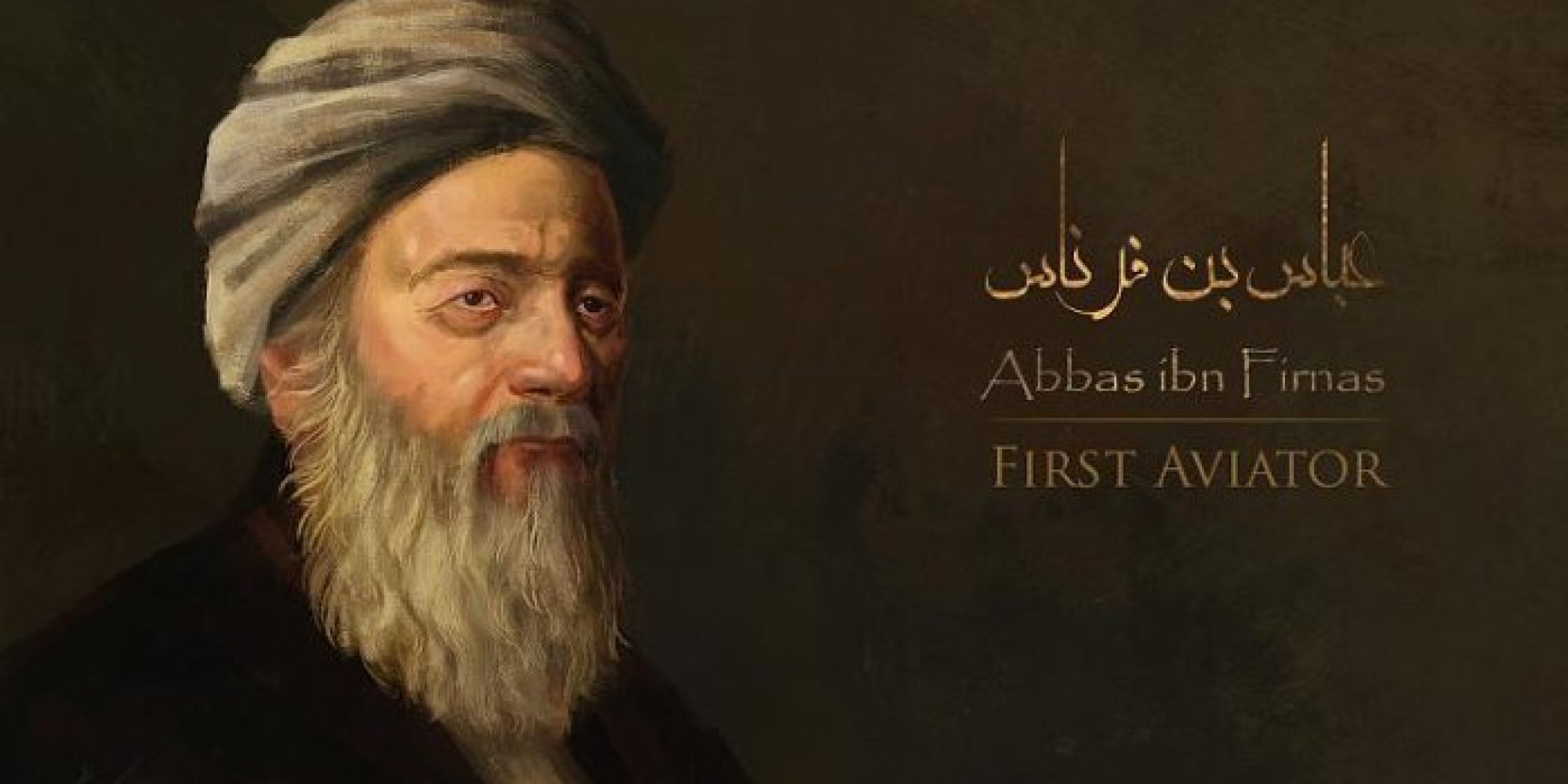
2. Abbas ibn Firnas
(c. 810–887)
Abū al-Qāsim ʿAbbās ibn Firnās ibn Wirdūs al-Tākurnī (c. 810 – 887 CE) was a notable Andalusian polymath active in Córdoba.
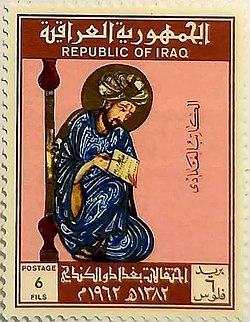
3. Al-Kindi
(c. 801–873)
Al-Kindi (c. 801 – c. 873 CE), known in Latin as Alkindus, was an Arab polymath who made lasting contributions across philosophy, mathematics, astronomy, medicine, cryptography, music theory, and more.
4. Al-Battani
(c. 858–929)
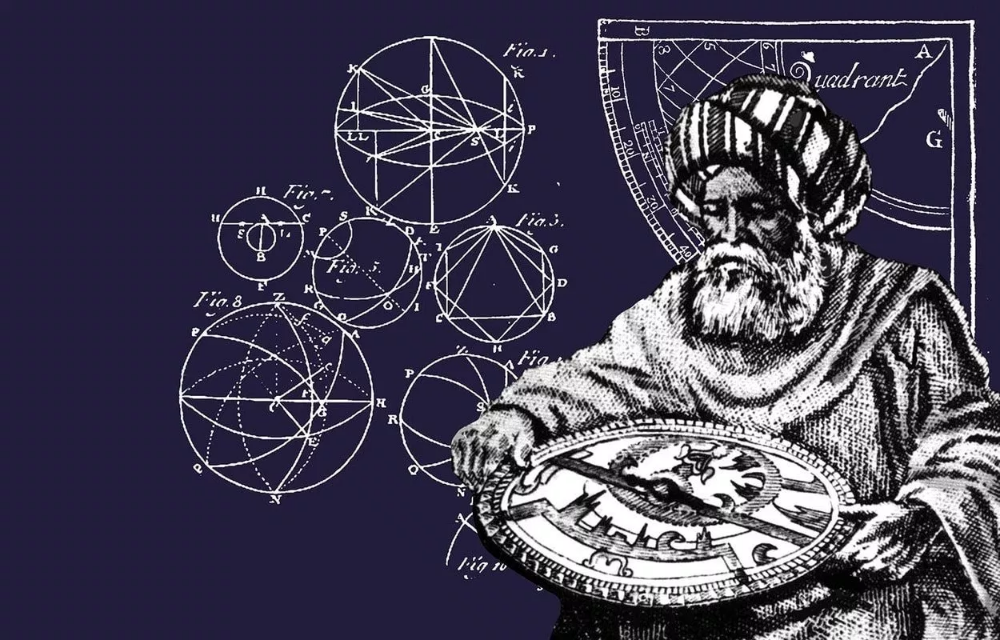
Al-Battani (c. 858 – 929 CE), also known in Latin as Albatenius, was an Arab astronomer, mathematician, and astrologer whose observational precision and theoretical contributions had a profound impact on both Islamic and European astronomy.
5. Abu al-Wafa al-Buzjani
(940–998)
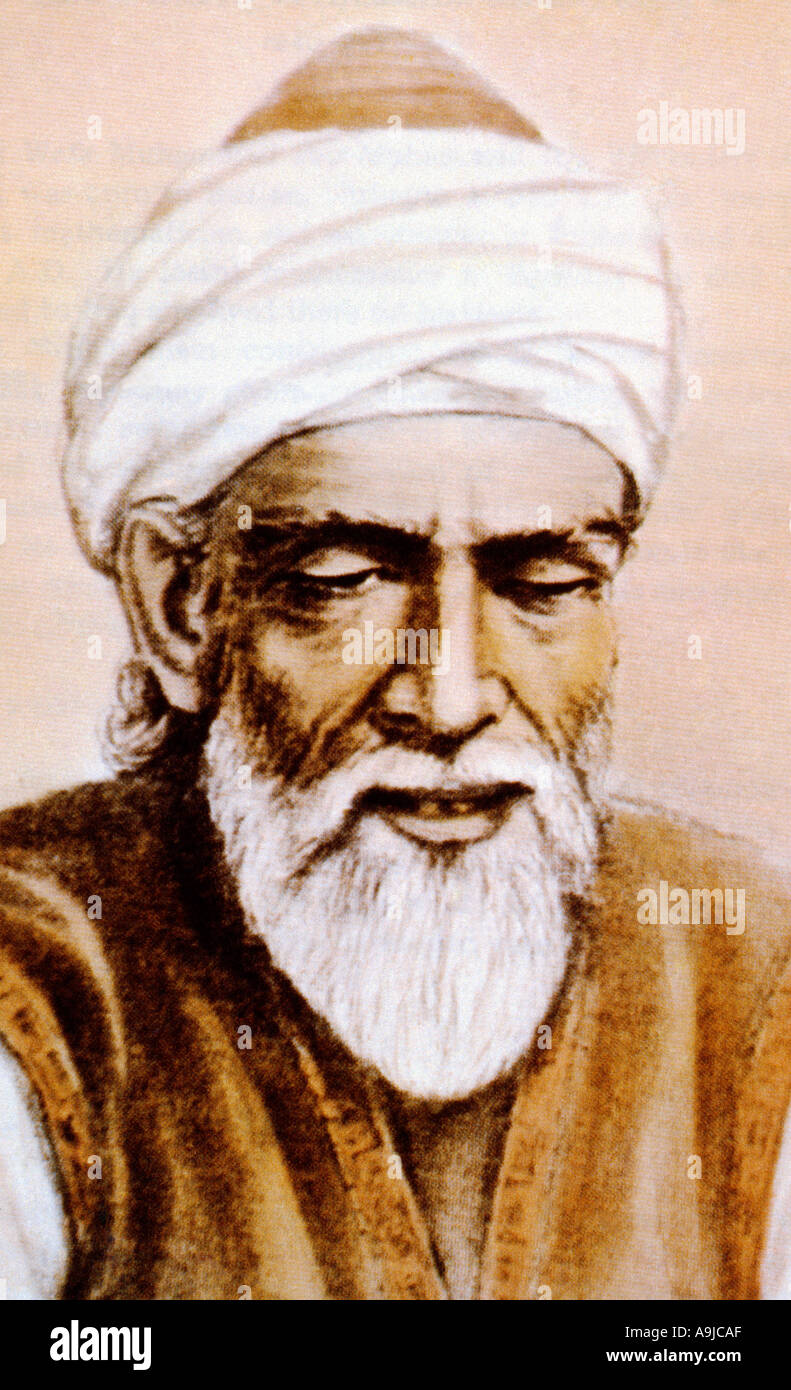
Abū al-Wafāʾ al-Būzjānī (10 June 940 – July 998 CE) was a distinguished Persian mathematician and astronomer active in Baghdad.
6. Al-Majriti
(c. 950–c. 1007)
Abu al-Qāsim Maslama ibn Aḥmad al-Majrīṭī (c. 950–1007 CE), also known in Latin as Methilem, was a prominent Muslim mathematician, astronomer, alchemist, economist, and polymath based in al-Andalus.
7. Al-Khwarizmi
(c. 780–c. 850)
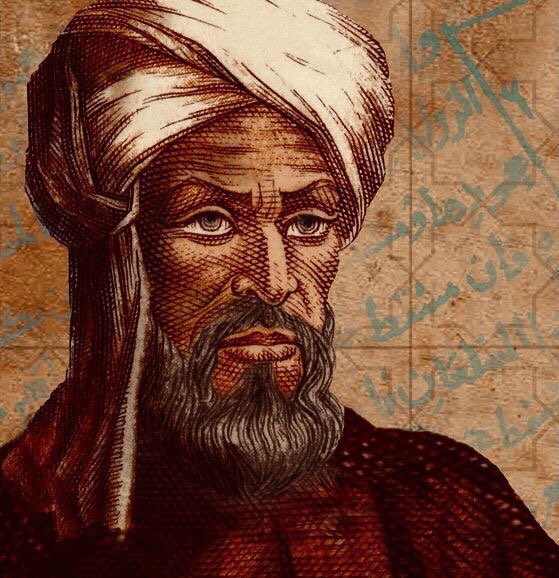
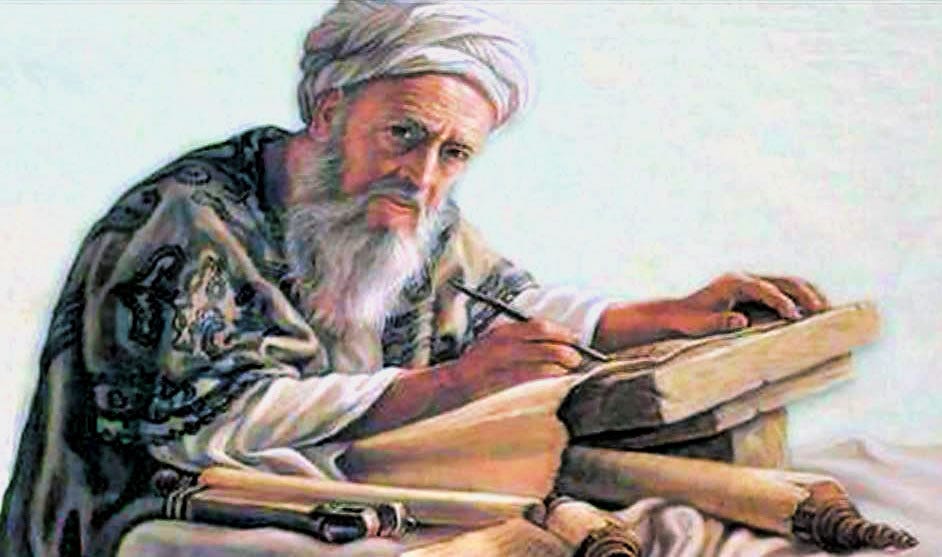
Muhammad ibn Musa al-Khwarizmi (c. 780 – c. 850 CE) was a Persian polymath who made foundational contributions to mathematics, astronomy, and geography.
8. Al-Biruni
(973–1048)
Al-Biruni (973 – after 1050 CE) was a Persian scholar and polymath who made groundbreaking contributions to a wide array of disciplines, including mathematics, astronomy, physics, geography, history, and linguistics.
9. Al-Farabi
(c. 872–950)
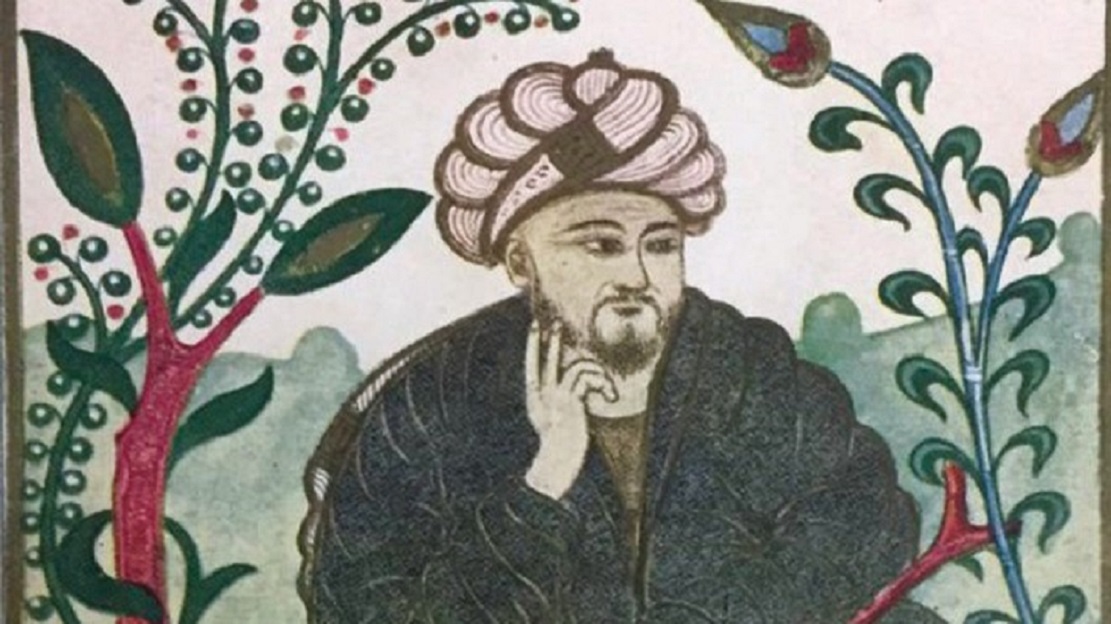
Al-Farabi (c. 872 – c. 950 CE), also known as Abu Nasr Muhammad ibn Muhammad al-Farabi, was a renowned philosopher, scientist, logician, and musician of the Islamic Golden Age.
10. Al-Mas’udi
(c. 896–956)
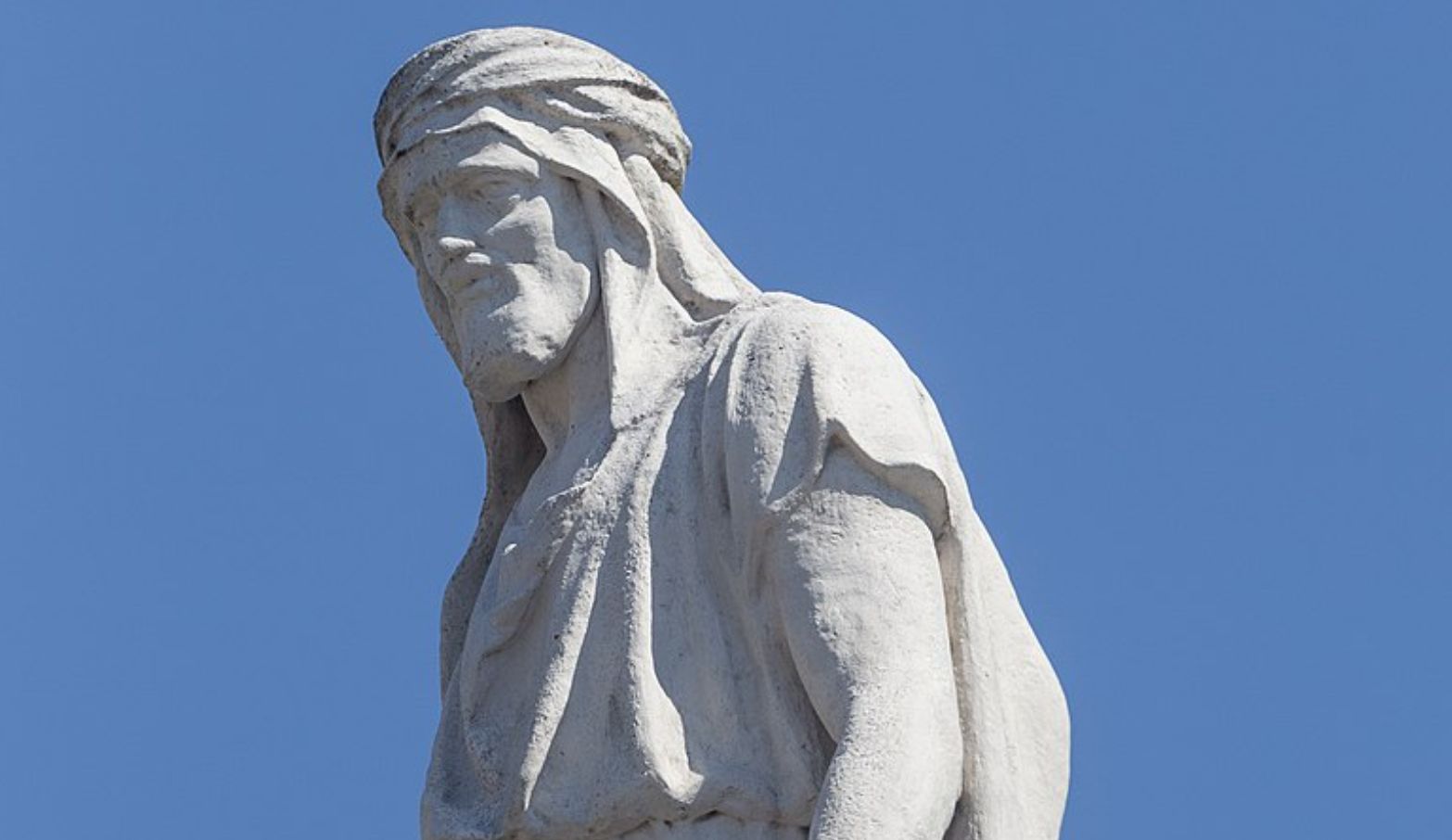
Abū al‑Ḥasan ʿAlī ibn al‑Ḥusayn al‑Masʿūdī (c. 896 – September 956 CE) was a pioneering Arab historian, geographer, and traveler, often called the “Herodotus of the Arabs.”
11. Al-Sijzi
(c. 945–c. 1020)
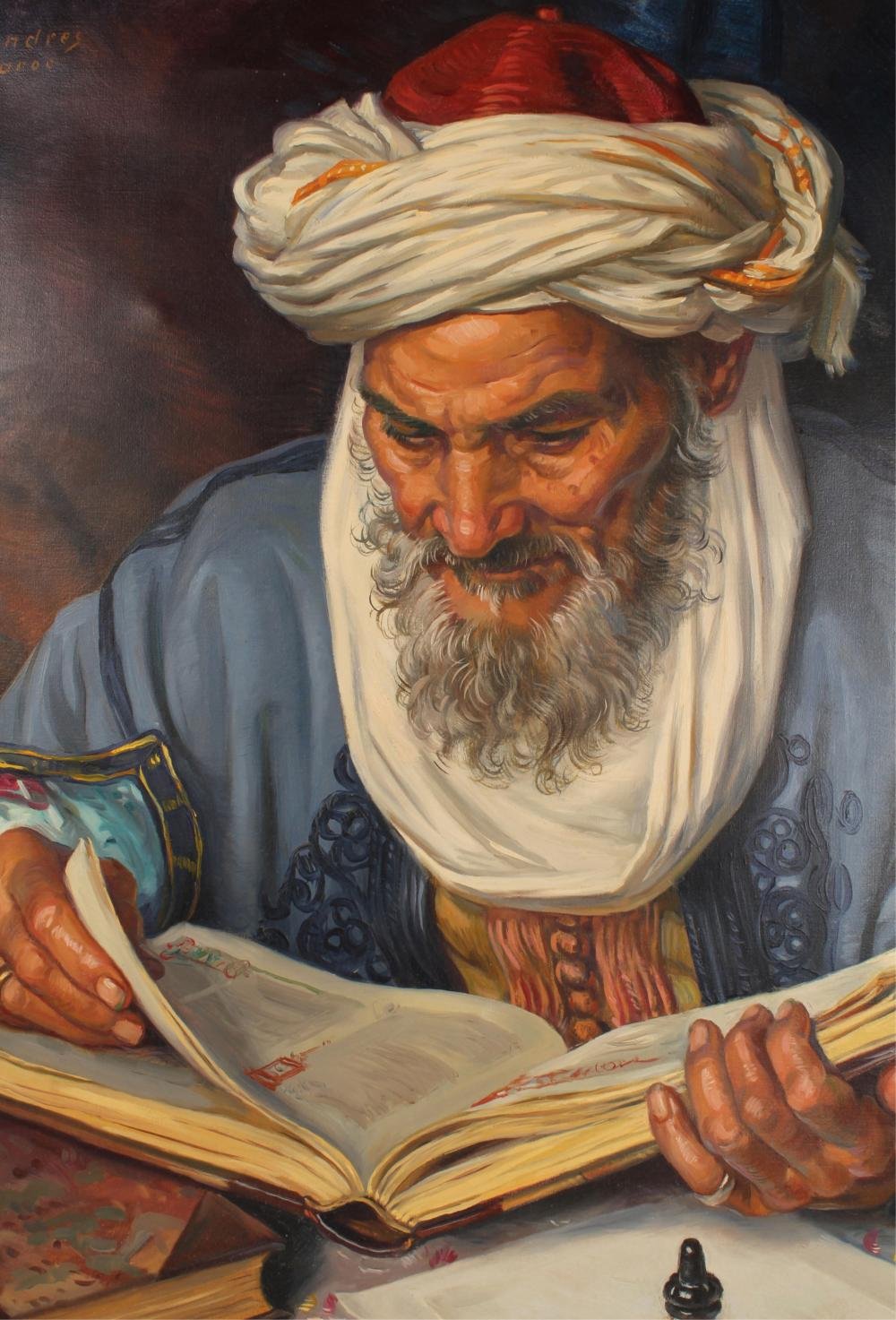
Al-Sijzi (c. 945 – c. 1020 CE), full name Abu Sa'id Ahmad ibn Muhammad ibn 'Abd al-Jalil al-Sijzi, was a Persian mathematician and astronomer known for his original contributions to geometry, planetary theory, and astronomical instruments.
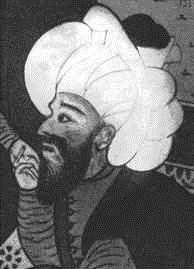
12. Ali Qushji
(c. 1403–1474)
Ali Qushji (c. 1403 – 1474 CE), full name Ala al-Dīn Ali ibn Muhammed al-Qushji, was a prominent astronomer, mathematician, physicist, and theologian of Central Asian origin.
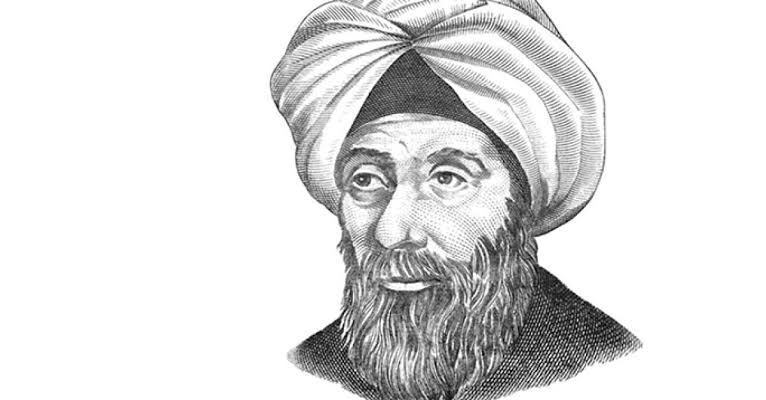
13. Ibn al-Haytham
(c. 965–1040)
Hasan ibn-al-Haytham was a mathematician, physicist and an astronomer at the same time during the Islamic Golden Age. He was also an influential polymath.
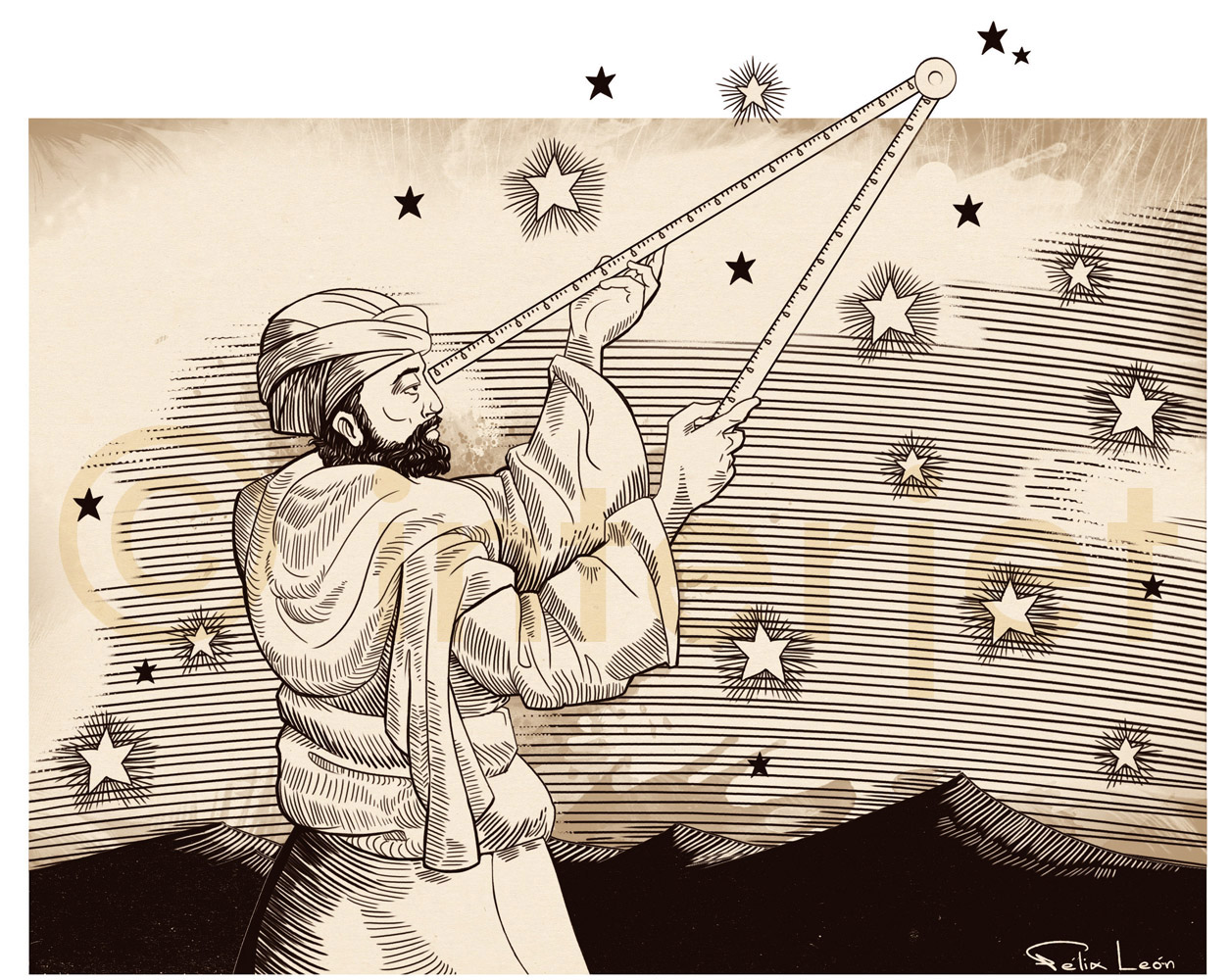
14. Abd-ar-Rahman as-Sufi
(903–986)
Abd‑ar‑Rahman al‑Ṣūfī (7 December 903 – 25 May 986 CE), often known in the West as Azophi, was a Persian astronomer who lived at the court of Emir ‛Adud ad‑Daula in Isfahan, Persia.
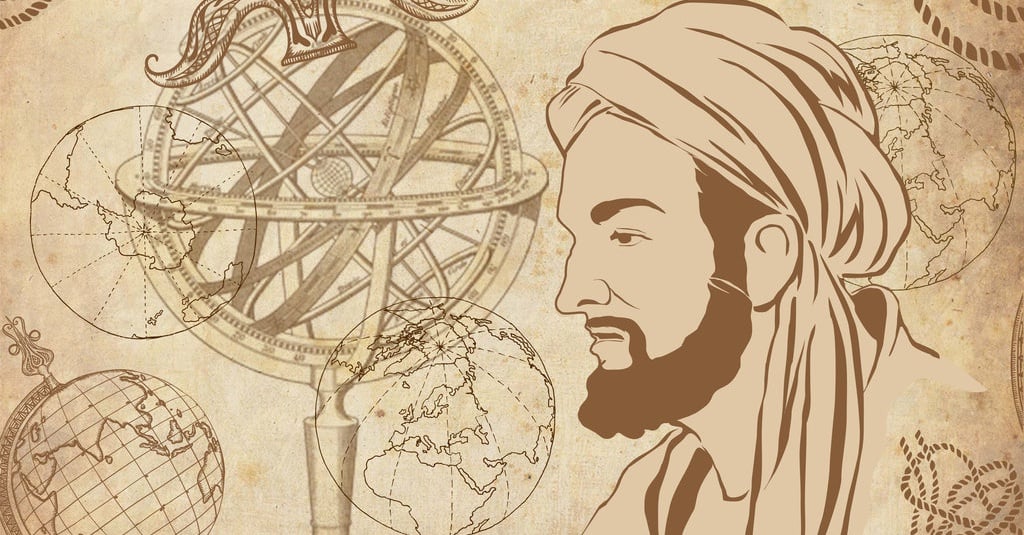
15. Al-Idrisi
(1100–1165)
Muhammad ibn Muhammad al‑Idrisi (c. 1100 – c. 1165 CE), also known as Al‑Sharif al‑Idrisi, was a renowned Arab Muslim geographer, cartographer, and scholar.
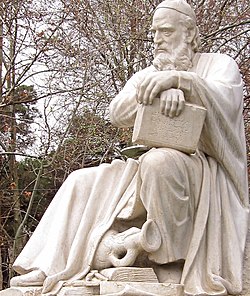
16. Omar Khayyam
(1048–1131)
Omar Khayyam (1048 – 1131 CE) was a Persian polymath renowned for his profound contributions to mathematics, astronomy, philosophy, and literature.
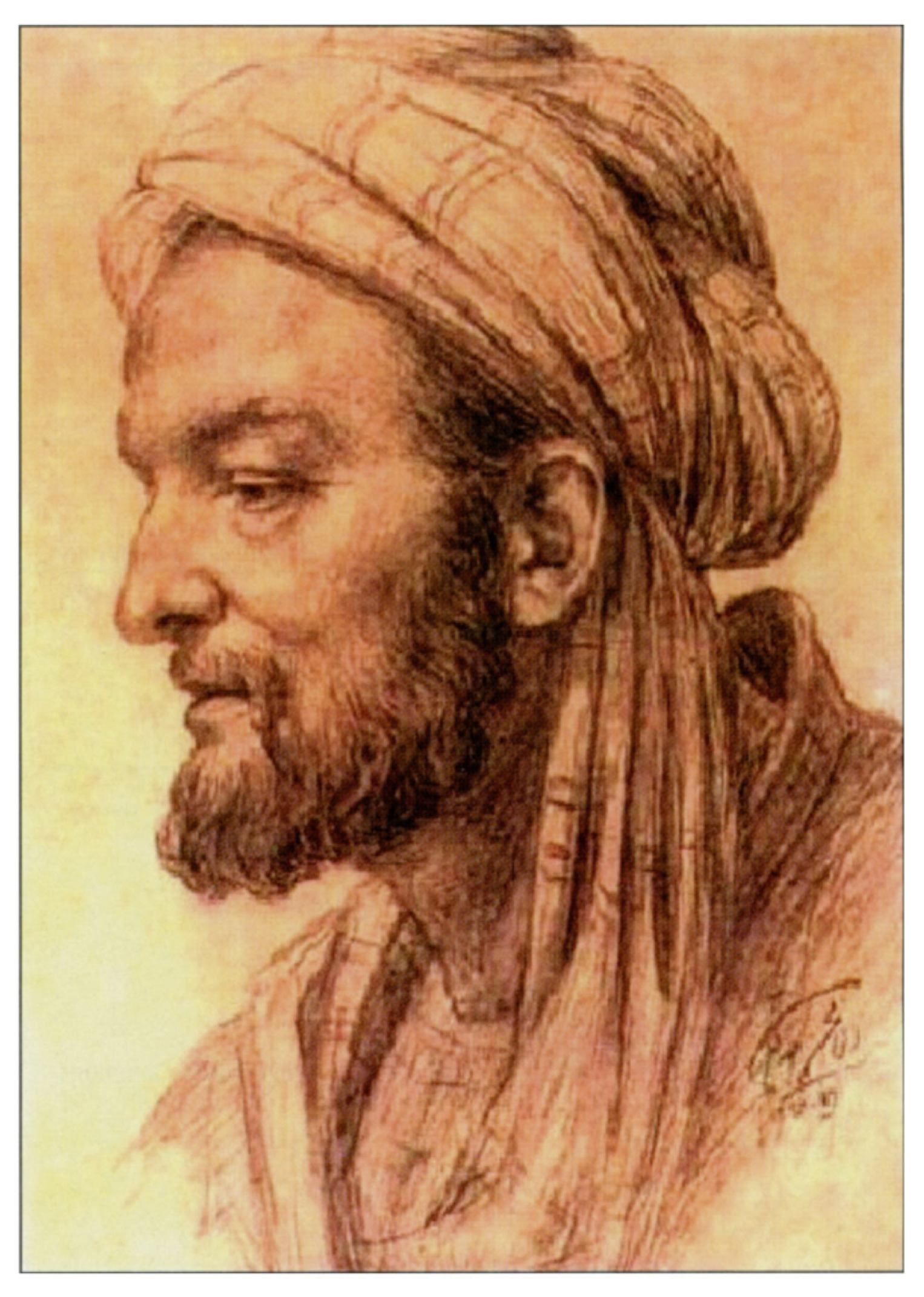
17. Ibn Sina
(980–1037)
Ibn Sina (980 – 1037 CE), known in the West as Avicenna, was a Persian polymath whose achievements span philosophy, medicine, astronomy, mathematics, physics, and more.
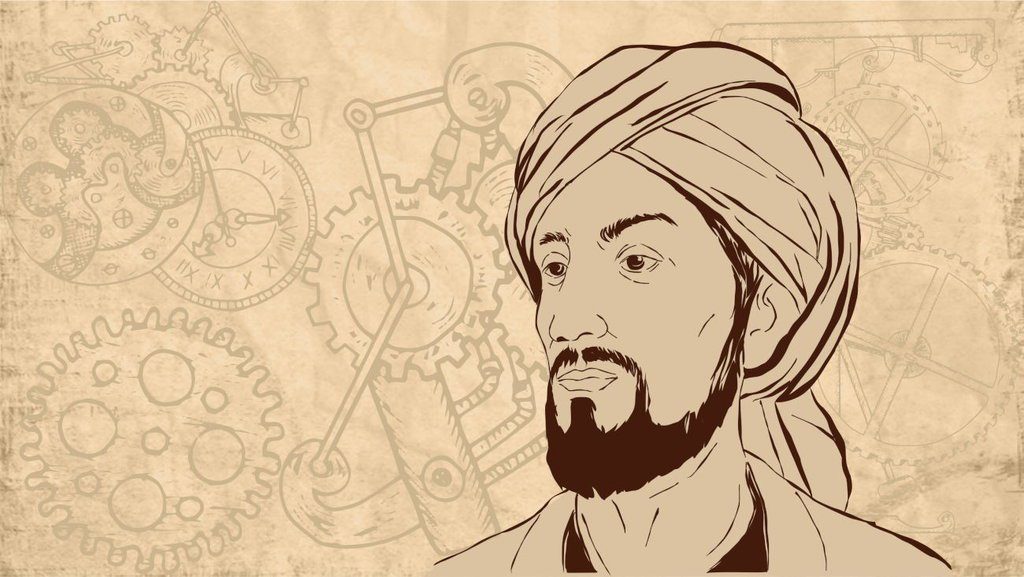
18. Isma’il al-Jazari
(1136–1206)
Badīʿ az-Zamān Abū l-ʿIzz ibn Ismāʿīl ibn al-Razzāz al-Jazarī (1136–1206 CE) was a celebrated Muslim polymath—engineer, inventor, artisan, and artist—who served as chief mechanical engineer to the Artuqid rulers in Mesopotamia.
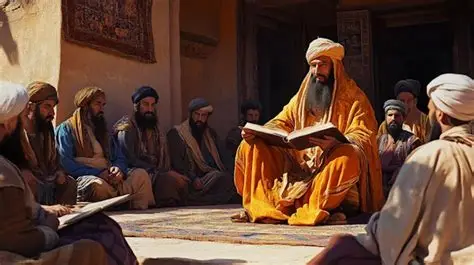
19. Jamshid al-Kashi
(c. 1380–1429)
Ghiyāth al-Dīn Jamshīd al-Kāshī (c. 1380 – 22 June 1429 CE) was a Persian mathematician and astronomer born in Kashān, Persia, and later based at the Samarkand Observatory under Ulugh Beg.
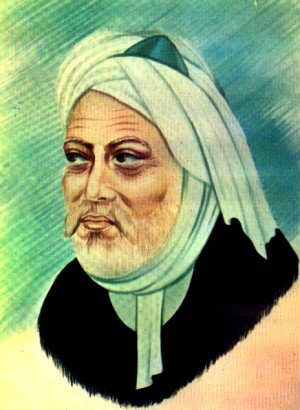
20. Sharaf ad-Din at-Tusi
(c. 1135–1213)
Sharaf al‑Dīn al‑Muẓaffar ibn Muḥammad ibn al‑Muẓaffar al‑Ṭūsī (c. 1135 – c. 1213 CE) hailed from Tus in present-day Iran.
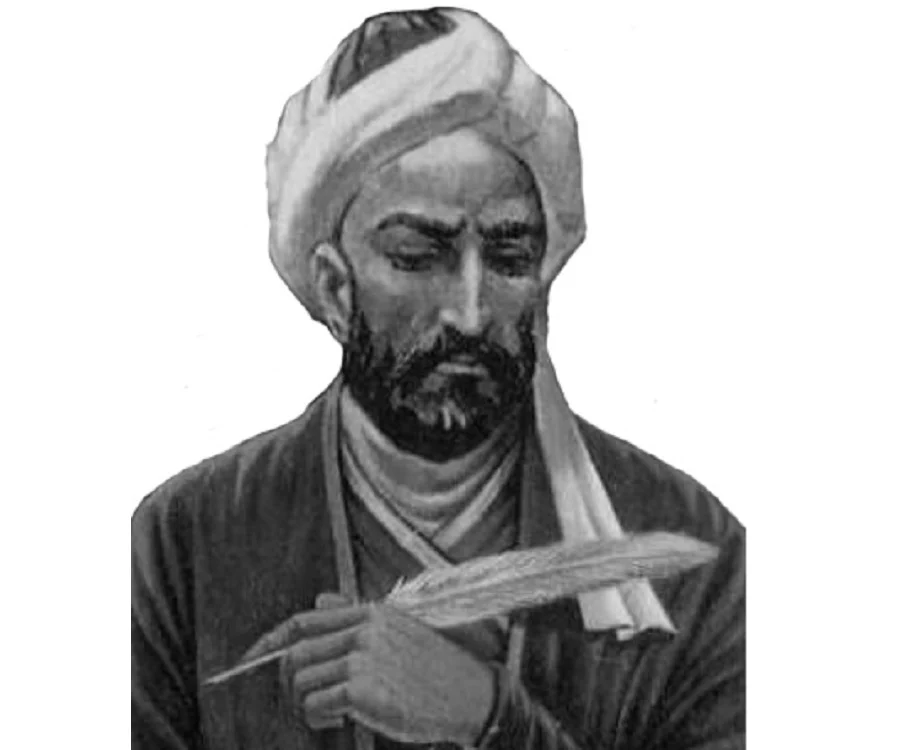
21. Nasir ud-Din at-Tusi
(1201–1274)
Nasir-ud-Din al-Tusi (1201 – 1274 CE), full name Muhammad ibn Muhammad ibn al-Hasan al-Tusi, was a Persian polymath who made significant contributions to astronomy, mathematics, philosophy, and theology during the Islamic Golden Age.
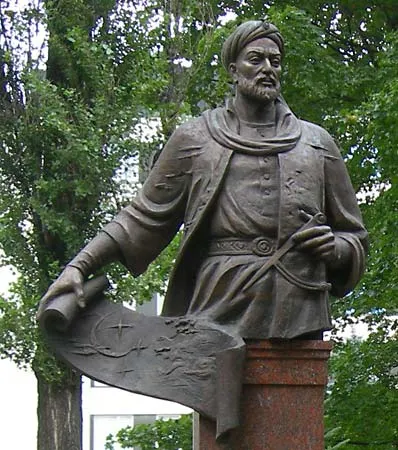
22. Ulugh Beg
(1394–1449)
Muhammad Taraghay Ulugh Beg was the fourth Sultan of the Timurid Empire. He was the descendant of the worldwide known Amir Timur (Tamerlane).
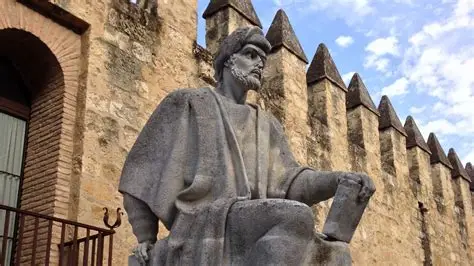
23. Ibn ar-Rushd
(1126–1198)
Ibn ar-Rushd (1126 – 1198 CE), also known as Averroes, was a towering figure of the Islamic Golden Age.
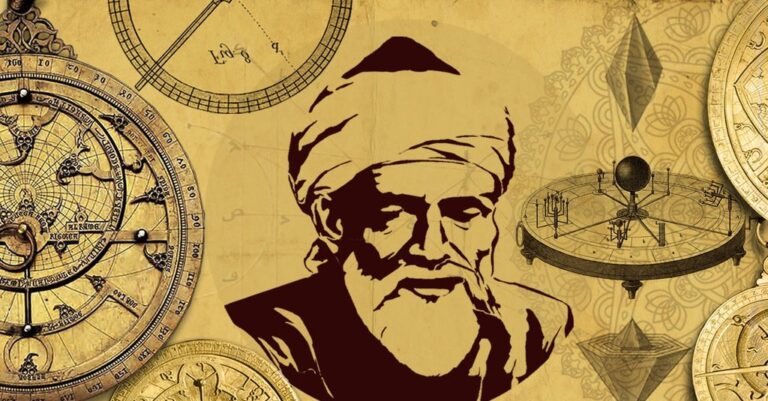
24. Al-Qalasadi
(1412–1486)
Al-Qalasadi (1412 – 1486 CE), full name Abu al-Hasan Ali ibn Muhammad al-Qalasadi, was a prominent Arab mathematician from Al-Andalus, born in Baza near Granada in modern-day Spain.

All rights reserved by the Mathematical Unity
Contact: +8801400044645
Email: mathematicalhorse1453@gmail.com
Our Discord Server: Mathematical Unity [Ulus Riyadiyat]