Welcome to the Mathematical World!
Mathematicians of the Antiquity: Bridging Hellenistic Knowledge to the Early Medieval Era
From the Late Classical to the Early Medieval period, mathematicians and scholars advanced the foundations of arithmetic, geometry, astronomy, and scientific reasoning. Their work transmitted Hellenistic insights into later traditions, laying the groundwork for medieval science and mathematics across Europe, the Middle East, and South Asia. Figures like Hero of Alexandria and Ptolemy exemplify the fusion of practical engineering, observation, and mathematical theory, demonstrating the enduring legacy of ancient scholarship.
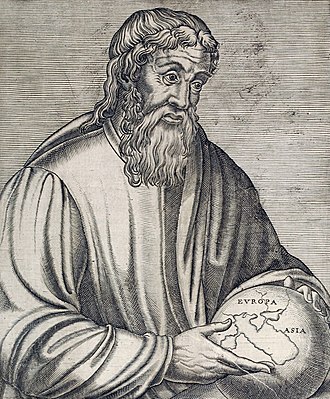
1. Strabo
(64 BCE – 24 CE)
Strabo (c. 64 BCE – c. 24 CE) was a Greek geographer and historian whose monumental Geographica remains one of the most important geographical works of antiquity.
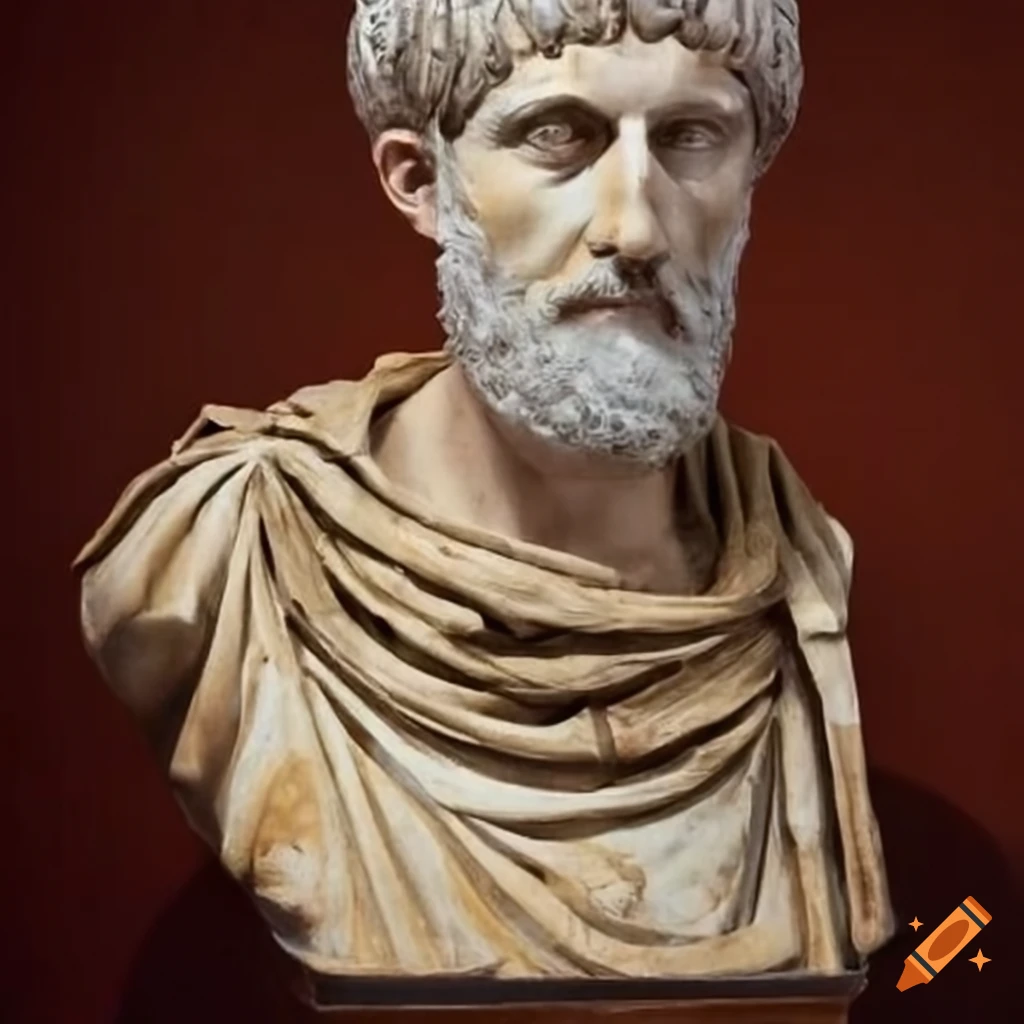
2. Hero of Alexandria
(c. 10 – 70 CE)
Hero (or Heron) of Alexandria (fl. c. 60 CE) was a Greek engineer and mathematician whose writings bridged the gap between theoretical mathematics and practical mechanical applications.
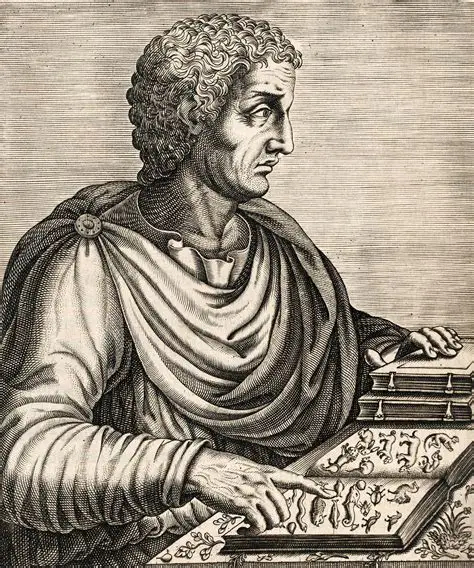
3. Pliny the Elder
(23 – 79 CE)
Pliny the Elder (23–79 CE), or Gaius Plinius Secundus, was a Roman polymath whose Natural History (Naturalis Historia) is among the largest works of reference to survive from antiquity.
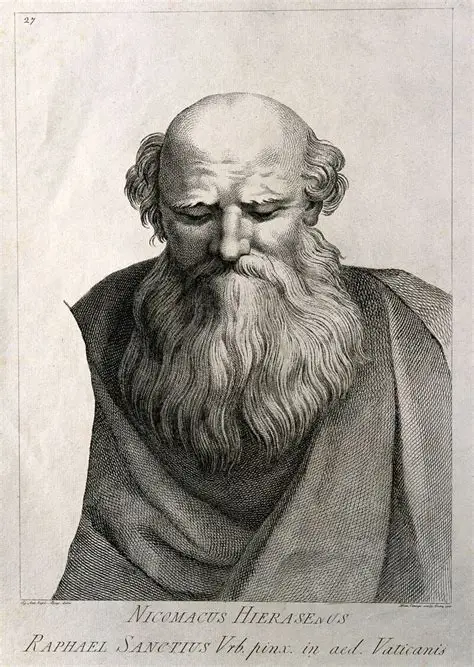
4. Nicomachus of Gerasa
(c. 60 – 120 CE)
Nicomachus of Gerasa (c. 60–c. 120 CE) was a Greco-Roman mathematician and philosopher whose works preserved and expanded the arithmetical traditions of Pythagoras and Plato.
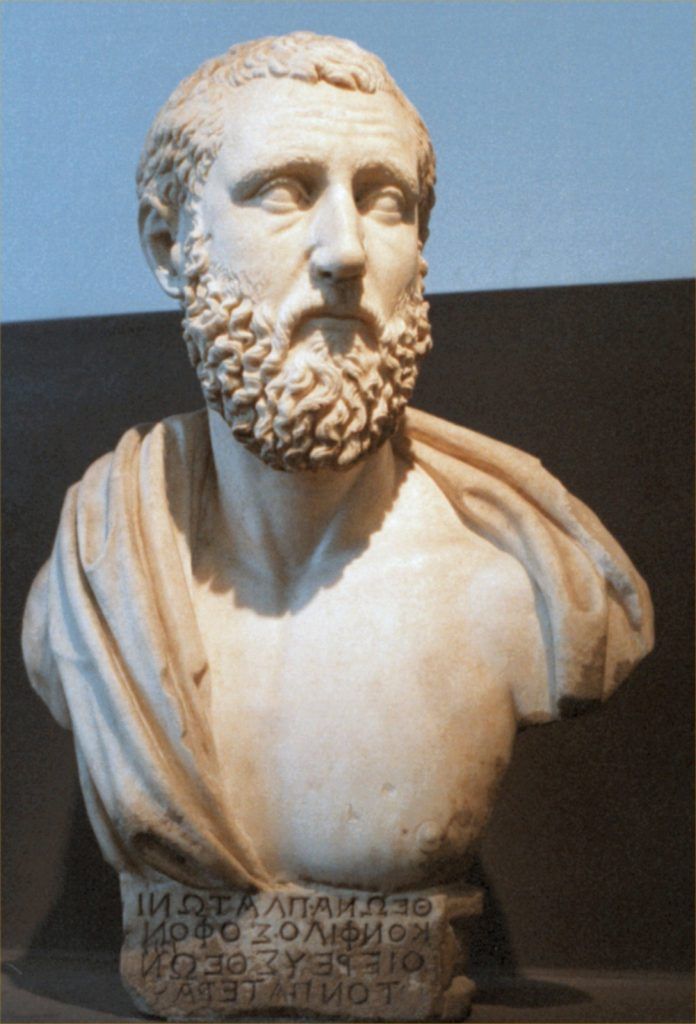
5. Theon of Smyrna
(fl. 100 – 135 CE)
Theon of Smyrna (c. 70–c. 135 CE) was a Greek philosopher and mathematician whose writings reflect the enduring influence of Pythagorean thought in Late Antiquity.
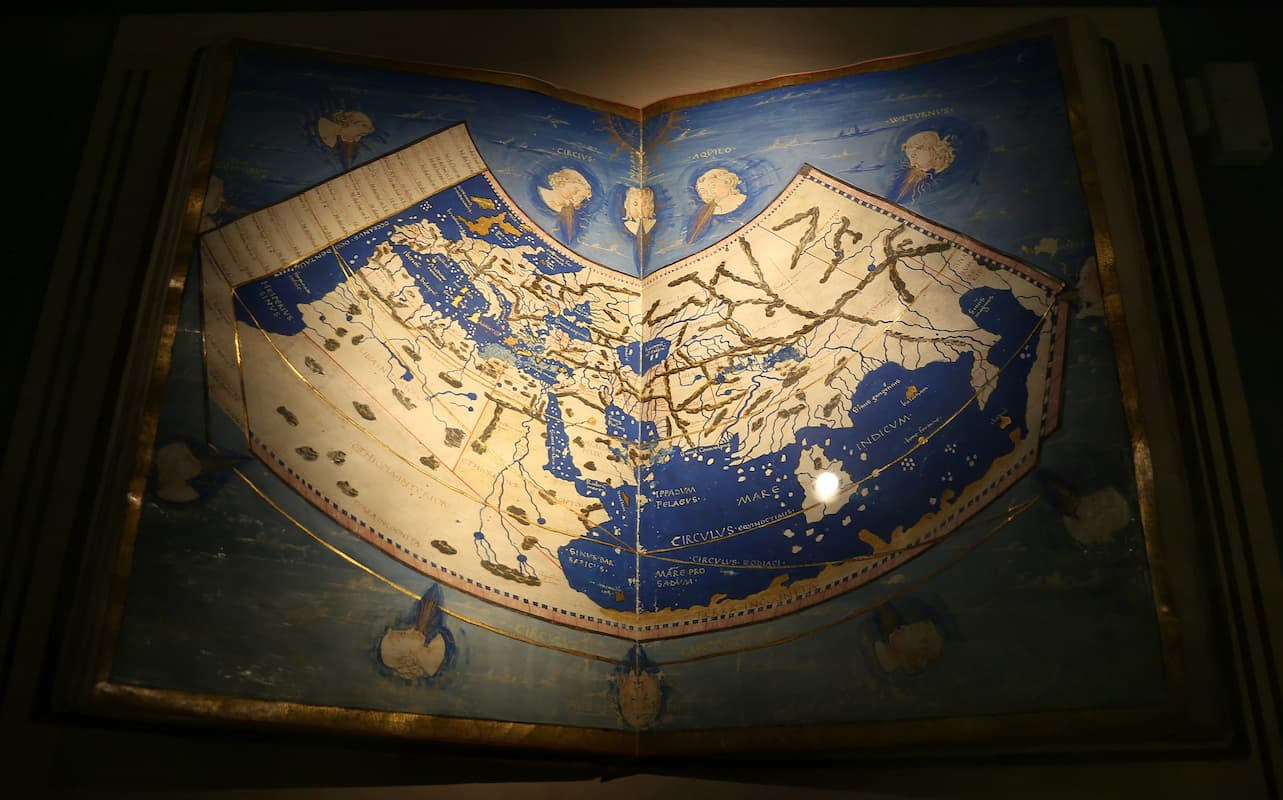
6. Marinus of Tyre
(fl. early 2nd century CE)
Marinus of Tyre (fl. c. 100 CE) was a Syrian geographer and cartographer whose innovations laid the groundwork for the mathematical geography of Claudius Ptolemy.
7. Menelaus of Alexandria
(fl. 100 CE)
Menelaus of Alexandria (fl. c. 100 CE) was a Greek mathematician and astronomer best known for his contributions to spherical geometry—an essential branch of mathematics for astronomical observations and navigation.
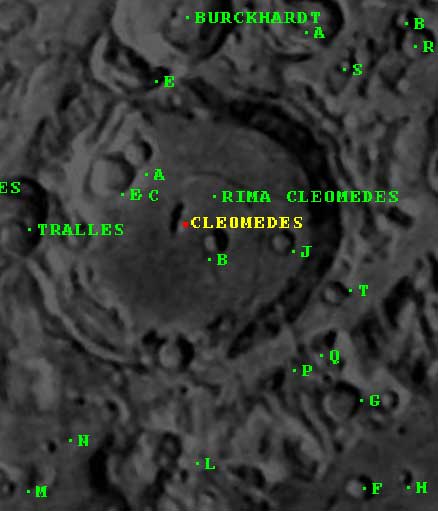
8. Cleomedes
(fl. late 1st – early 2nd century CE)
Cleomedes (fl. late 1st or early 2nd century CE) was a Greek astronomer and natural philosopher, known for his preserved treatise On the Circular Motions of the Celestial Bodies.
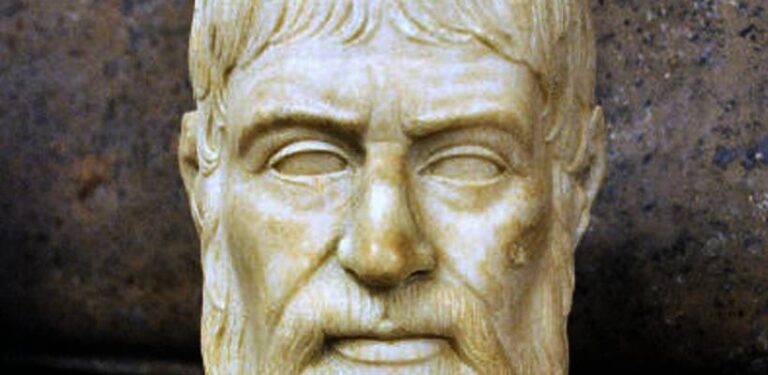
9. Pausanias
(c. 110 – 180 CE)
Pausanias (fl. c. 110–180 CE) was a Greek traveler and geographer best known for his ten-volume work Description of Greece (Periegesis Hellados).
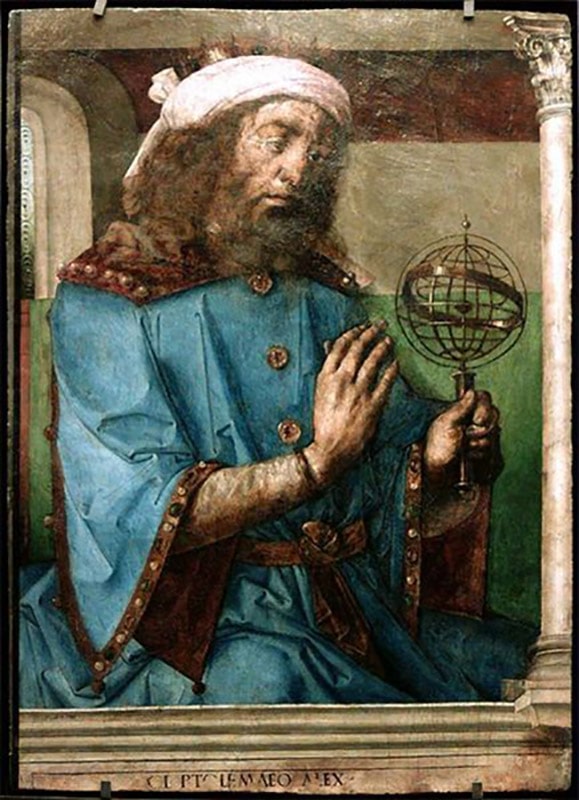
10. Ptolemy
(c. 100 – 170 CE)
Claudius Ptolemy (c. 100–c. 170 CE) was a Greco-Roman mathematician, astronomer, and geographer whose work shaped both theoretical and applied mathematics for over a millennium.
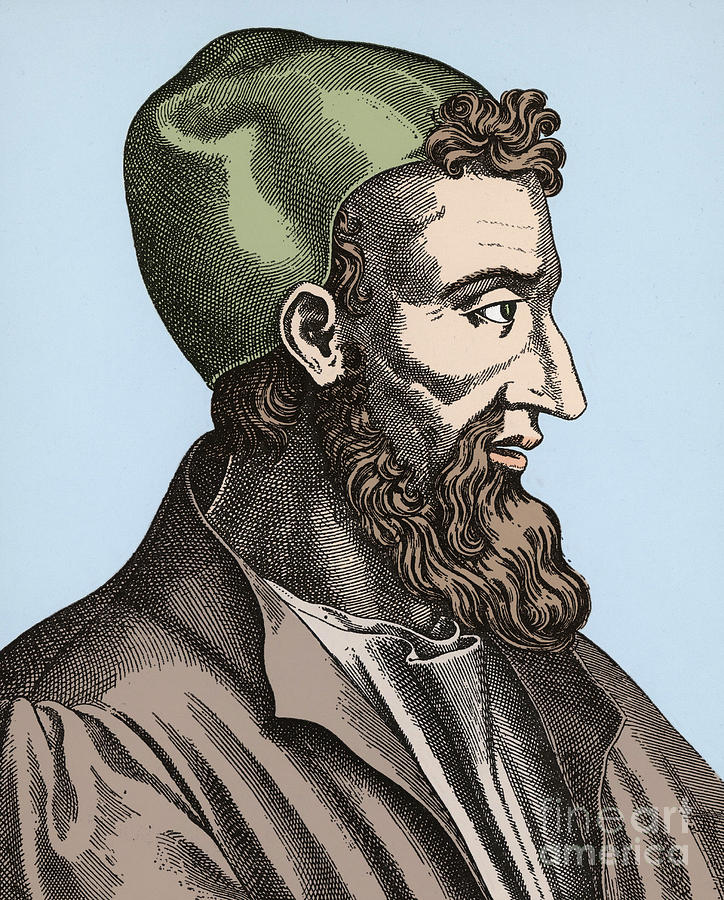
11. Galen
(129 – c. 216 CE)
Claudius Galen (c. 129 – c. 216 CE), commonly known as Galen of Pergamon, was a Greek physician, anatomist, and philosopher whose medical writings dominated both Eastern and Western medicine for over a millennium.
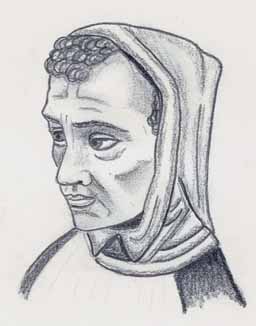
12. Diophantus
(c. 200 – 284 CE)
Diophantus of Alexandria was a Greek mathematician commonly referred to as the "Father of Algebra" due to his earliest known work on solving equations and studying numerical relationships; although in most cases Muhammad ibn Musa al-Khwarizmi is considered as the "Father of Algebra".
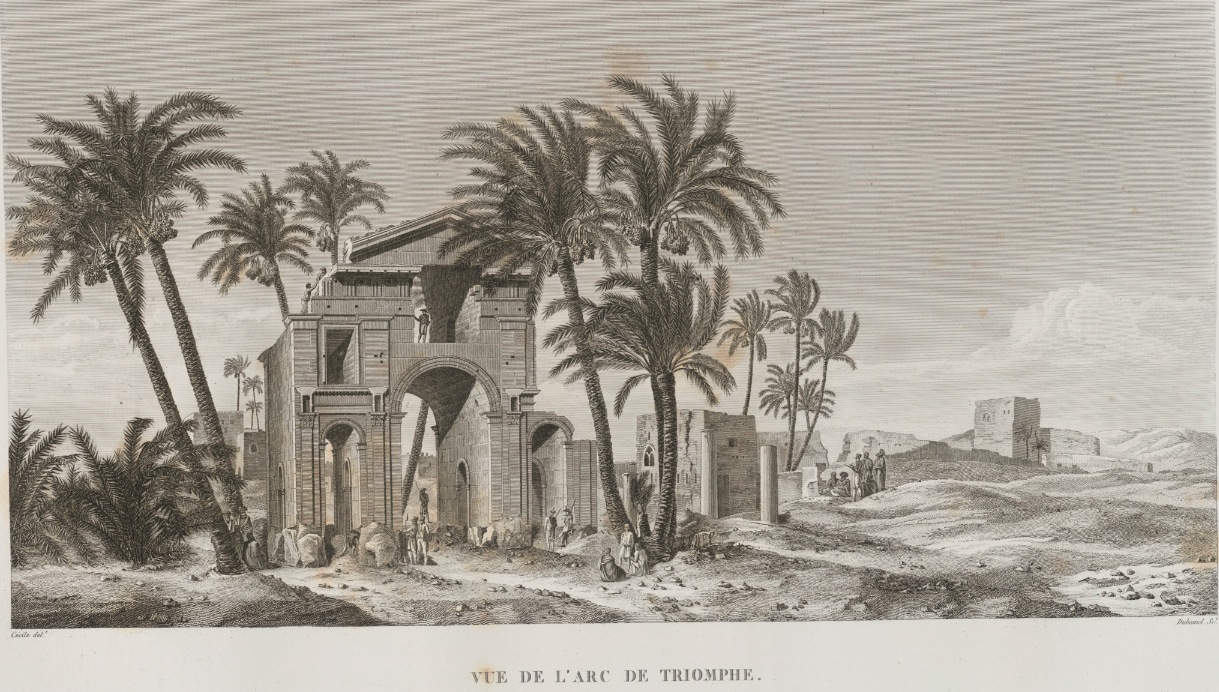
13. Serenus of Antinoöpolis
(c. 300 – 360 CE)
Serenus of Antinoöpolis (c. 300–c. 360 CE) was a Greek mathematician known for his work on geometry, particularly conic sections and the properties of cylinders and cones.
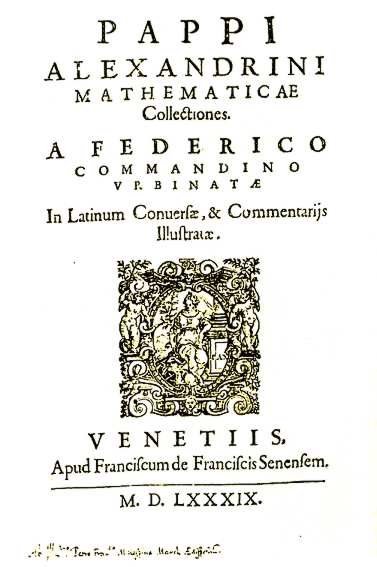
14. Pappus of Alexandria
(c. 290 – 350 CE)
Pappus of Alexandria (c. 290 – c. 350 CE) was one of the final great figures of the ancient Greek mathematical tradition.
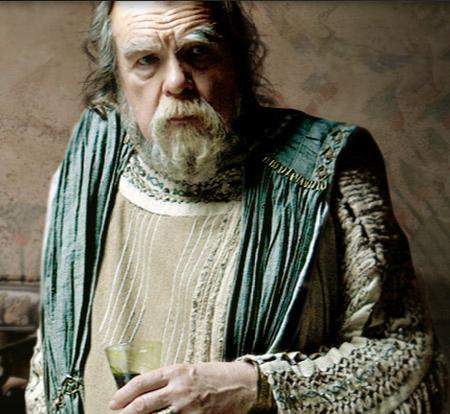
15. Theon of Alexandria
(c. 335 – 405 CE)
Theon of Alexandria (c. 335–c. 405 CE) was a mathematician, astronomer, and teacher whose principal legacy is editorial and pedagogical: his recension of Euclid’s Elements and his commentaries on Ptolemy’s works shaped how geometry and computational astronomy were read for many centuries.
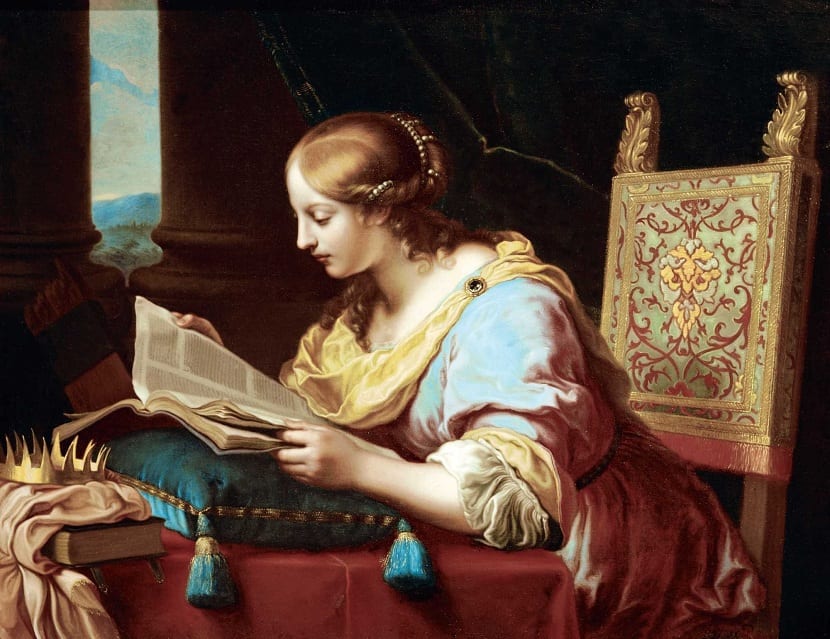
16. Hypatia
(c. 360 – 415 CE)
Hypatia of Alexandria (c. 355–415 CE) was a renowned mathematician, philosopher, and teacher in late antique Alexandria.
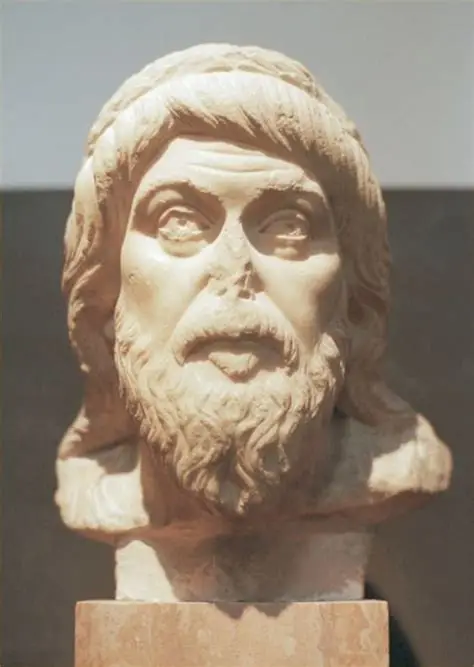
17. Proclus
(412 – 485 CE)
Proclus (412–485 CE) was a Greek philosopher, head of the Platonic Academy in Athens, and an influential commentator on Euclid’s Elements.
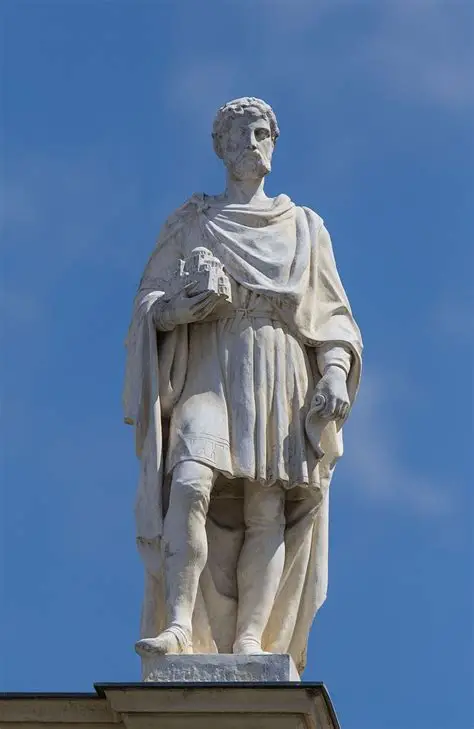
18. Anthemius of Tralles
(c. 474 – 534 CE)
Anthemius of Tralles (c. 474 – mid-6th century CE) was a Byzantine mathematician and architect best known as one of the co-designers of Hagia Sophia in Constantinople.
19. Isidore of Miletus
(c. 442 – 537 CE)
Isidore of Miletus (born c. 475 CE) was a Byzantine mathematician and architect, co-leader with Anthemius of Tralles on the construction of Hagia Sophia.
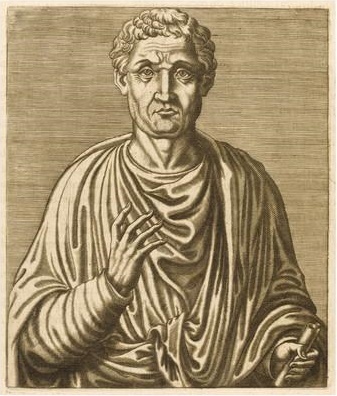
20. Boethius
(c. 480 – 524 CE)
Anicius Manlius Severinus Boethius (c. 480–524 CE) was a Roman philosopher, statesman, and mathematician whose works became the cornerstone of medieval mathematical education.
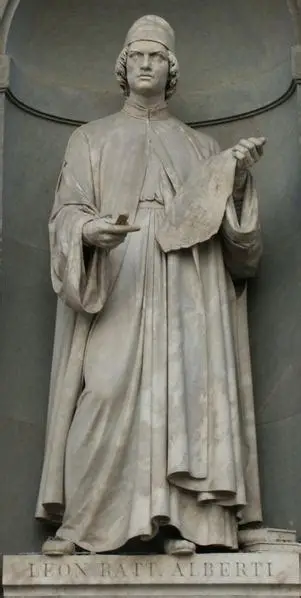
21. John Philoponus
(c. 490 – 570 CE)
John Philoponus (c. 490 – c. 570 CE), also known as “the Grammarian,” was a Byzantine philosopher and scientist whose critiques of Aristotelian physics revolutionized the intellectual landscape of late antiquity.
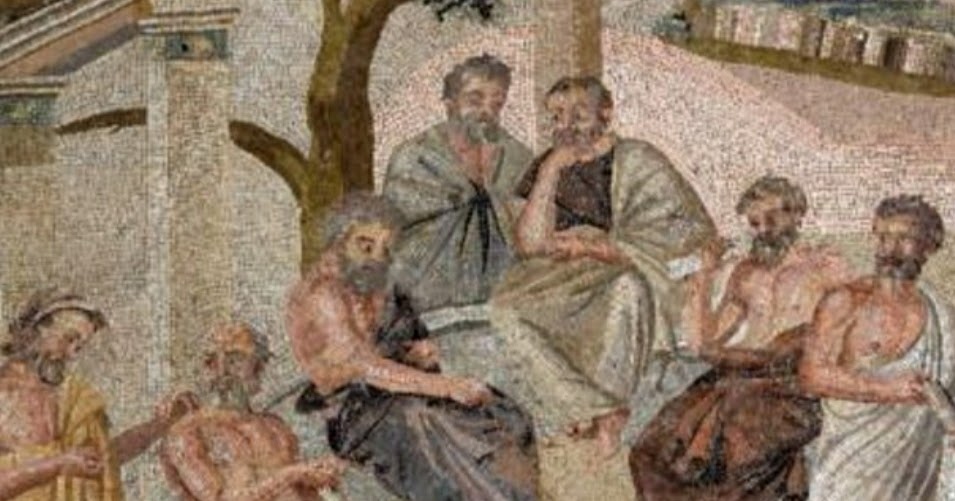
22. Eutocius of Ascalon
(c. 480 – 540 CE)
Eutocius of Ascalon (early 6th century CE) was a Byzantine mathematician and commentator whose work primarily involved preserving and elucidating the writings of Archimedes and Apollonius.
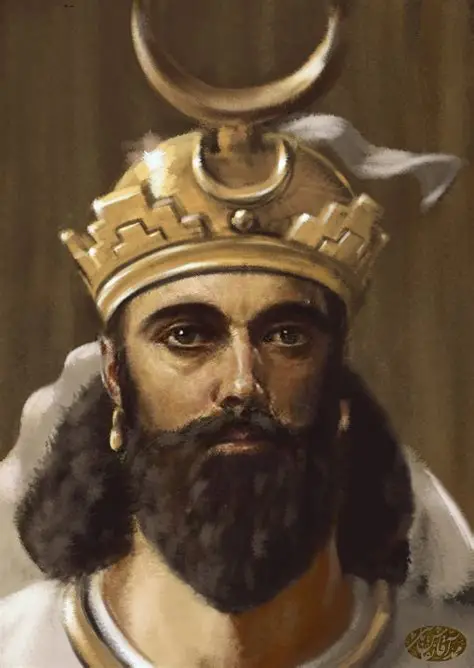
23. Khosrow I
(c. 501 – 579 CE)
Khosrow I Anushirvan (reigned 531–579 CE) was a Sassanian Persian king renowned not only for his political reforms but also for his patronage of science, philosophy, and mathematics.
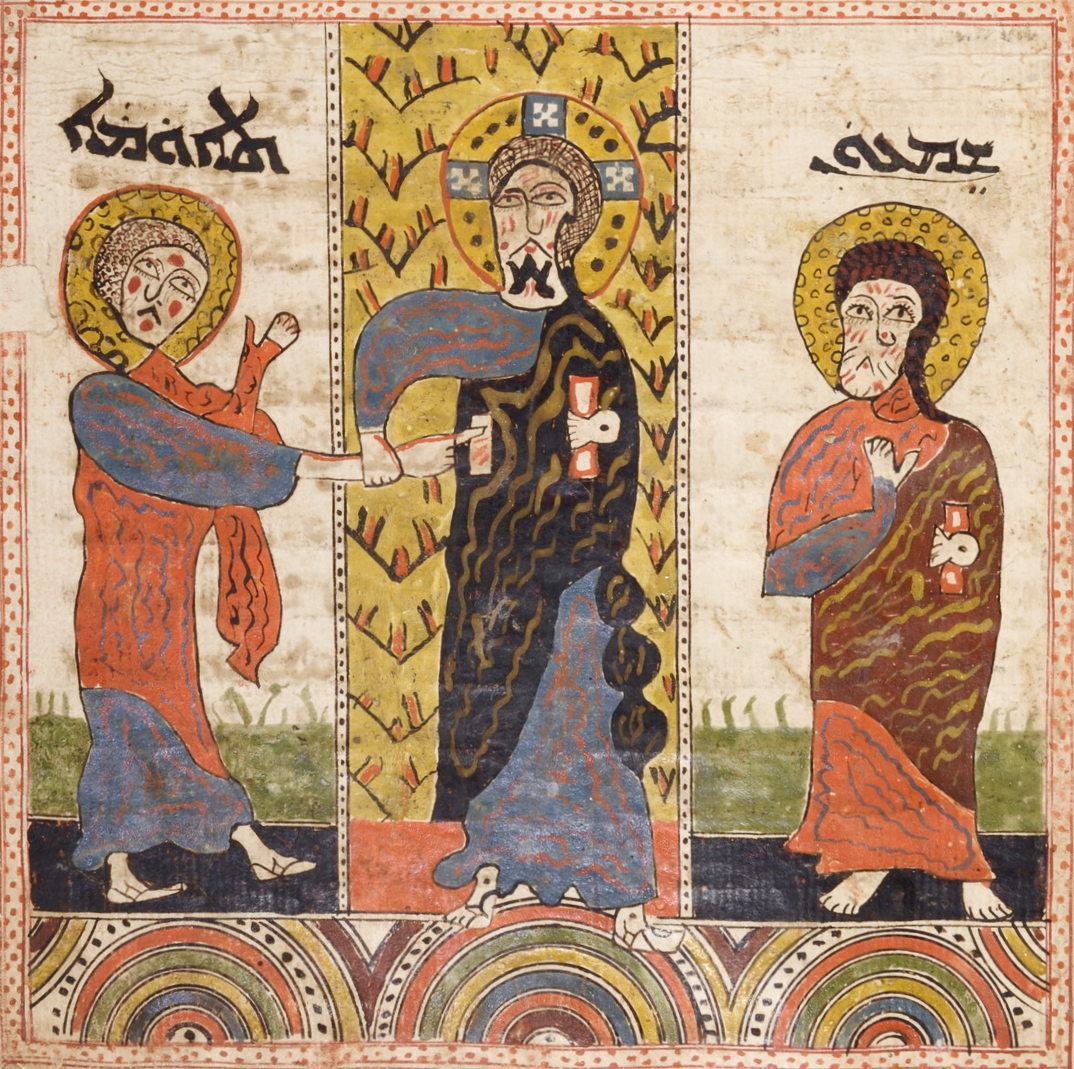
24. Severus Sebokht
(c. 575 – 667 CE)
Severus Sebokht (575–664 CE; born within your specified window) was a Syriac mathematician, astronomer, and bishop whose writings bridged Greek, Indian, and early Islamic mathematical traditions.

All rights reserved by the Mathematical Unity
Contact: +8801400044645
Email: mathematicalhorse1453@gmail.com
Our Discord Server: Mathematical Unity [Ulus Riyadiyat]